Construction of Anand Vihar RRTS is almost complete
ECONOMY & POLICY

Construction of Anand Vihar RRTS is almost complete

The construction of the Anand Vihar RRTS is reportedly nearing completion, with only the finishing touches remaining. Currently, a 42-km stretch from Meerut South to Sahibabad is operational. Officials have indicated that a trial run on the 6.5-km section from Sahibabad to Anand Vihar is scheduled to commence in November.

Anand Vihar, a major transit hub frequented by lakhs of commuters using various modes of transport, will feature an RRTS station that integrates seamlessly with the Delhi Metro, Indian Railways, and inter-city, intra-city, and city bus networks. The Delhi segment of the Delhi-Ghaziabad-Meerut RRTS corridor includes a 9-km elevated viaduct and a 5-km underground section.

According to an official from the National Capital Region Transport Corporation (NCRTC), which is executing the project, the viaduct construction is now complete, and rapid progress is being made on track laying, overhead electrification, and signalling work. The official mentioned that the trial run of the Namo Bharat train on the approximately 6.5-km stretch from Sahibabad to Anand Vihar is expected to begin by November.

The official further added that the 14-km section includes Sarai Kale Khan, New Ashok Nagar, and Anand Vihar RRTS stations, all of which are close to completion. However, the fourth station in Delhi, Jangpura, along with a stabling yard, will be developed at a later stage.

The Anand Vihar RRTS station is set to be the only underground RRTS station, situated one level below ground. An official noted that this unique design will facilitate seamless and easy movement of passengers between different modes of transport.

The station will feature pick-up and drop-off points for vehicles and will be connected to Chaudhary Charan Singh Marg by three bridges over the Ghazipur drain. The 10-metre-wide right bridge will serve as the vehicle entry point, allowing taxis and private vehicles to drop passengers directly at the station gate. The 13-metre-wide left bridge will provide an exit route back to the main road, while the 5-metre-wide middle bridge will be dedicated to pedestrian movement within the station premises.

Officials have highlighted that passengers at Anand Vihar often face challenges when switching between transport modes, dealing with congested traffic and long distances between stops. This not only causes inconvenience but also contributes to overcrowding and traffic jams near the transport hubs. To address these issues, the NCRTC has strategically designed separate entry and exit routes for the station, ensuring smooth, safe, and convenient travel for commuters. The station's location has been carefully chosen to be as close as possible to existing public transport options, thereby minimising the distance passengers need to travel when changing modes.

The station will be connected to the Metro (Blue and Pink Lines), Swami Vivekananda (Anand Vihar) ISBT, the inter-state bus terminal of DTC, the inter-state bus stand at Kaushambi of UPSRTC, and Anand Vihar railway station. Currently, a foot overbridge connects the Metro Complex to Chaudhary Charan Singh Marg, with lifts, stairs, and escalators facilitating access to the RRTS station. An official remarked that this seamless integration would provide a safe, comfortable, and hassle-free travel experience for commuters, while also reducing their travel time.

The construction of the Anand Vihar RRTS is reportedly nearing completion, with only the finishing touches remaining. Currently, a 42-km stretch from Meerut South to Sahibabad is operational. Officials have indicated that a trial run on the 6.5-km section from Sahibabad to Anand Vihar is scheduled to commence in November. Anand Vihar, a major transit hub frequented by lakhs of commuters using various modes of transport, will feature an RRTS station that integrates seamlessly with the Delhi Metro, Indian Railways, and inter-city, intra-city, and city bus networks. The Delhi segment of the Delhi-Ghaziabad-Meerut RRTS corridor includes a 9-km elevated viaduct and a 5-km underground section. According to an official from the National Capital Region Transport Corporation (NCRTC), which is executing the project, the viaduct construction is now complete, and rapid progress is being made on track laying, overhead electrification, and signalling work. The official mentioned that the trial run of the Namo Bharat train on the approximately 6.5-km stretch from Sahibabad to Anand Vihar is expected to begin by November. The official further added that the 14-km section includes Sarai Kale Khan, New Ashok Nagar, and Anand Vihar RRTS stations, all of which are close to completion. However, the fourth station in Delhi, Jangpura, along with a stabling yard, will be developed at a later stage. The Anand Vihar RRTS station is set to be the only underground RRTS station, situated one level below ground. An official noted that this unique design will facilitate seamless and easy movement of passengers between different modes of transport. The station will feature pick-up and drop-off points for vehicles and will be connected to Chaudhary Charan Singh Marg by three bridges over the Ghazipur drain. The 10-metre-wide right bridge will serve as the vehicle entry point, allowing taxis and private vehicles to drop passengers directly at the station gate. The 13-metre-wide left bridge will provide an exit route back to the main road, while the 5-metre-wide middle bridge will be dedicated to pedestrian movement within the station premises. Officials have highlighted that passengers at Anand Vihar often face challenges when switching between transport modes, dealing with congested traffic and long distances between stops. This not only causes inconvenience but also contributes to overcrowding and traffic jams near the transport hubs. To address these issues, the NCRTC has strategically designed separate entry and exit routes for the station, ensuring smooth, safe, and convenient travel for commuters. The station's location has been carefully chosen to be as close as possible to existing public transport options, thereby minimising the distance passengers need to travel when changing modes. The station will be connected to the Metro (Blue and Pink Lines), Swami Vivekananda (Anand Vihar) ISBT, the inter-state bus terminal of DTC, the inter-state bus stand at Kaushambi of UPSRTC, and Anand Vihar railway station. Currently, a foot overbridge connects the Metro Complex to Chaudhary Charan Singh Marg, with lifts, stairs, and escalators facilitating access to the RRTS station. An official remarked that this seamless integration would provide a safe, comfortable, and hassle-free travel experience for commuters, while also reducing their travel time.

Next Story
Infrastructure Transport

MMRDA advances 250 m on Orange Gate–Marine Drive tunnel

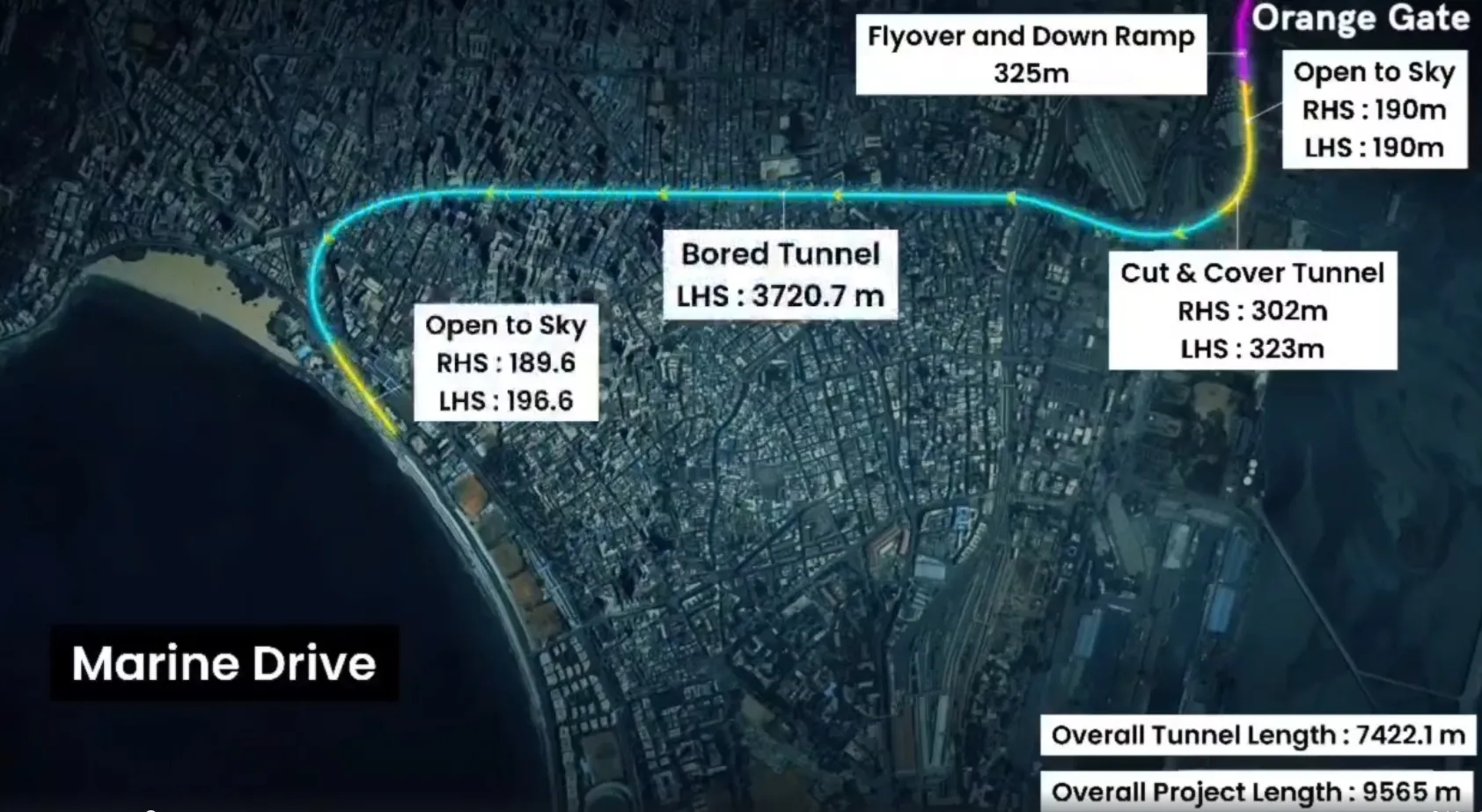
The Mumbai Metropolitan Region Development Authority (MMRDA) has completed 250 m of underground tunnelling for the Orange Gate–Marine Drive Urban Road Tunnel using India’s largest slurry shield tunnel boring machine (TBM) deployed for an urban road project.The project involves twin tunnels extending over 7 km beneath critical transport corridors, including Central Railway, Western Railway and Metro Line 3. The work requires high-precision engineering to navigate densely developed urban infrastructure.Once completed, the tunnel is expected to reduce travel time between Orange Gate and Marin..
Next Story
Infrastructure Urban

Hindustan Zinc Pays Rs 188.46 Billion in FY26

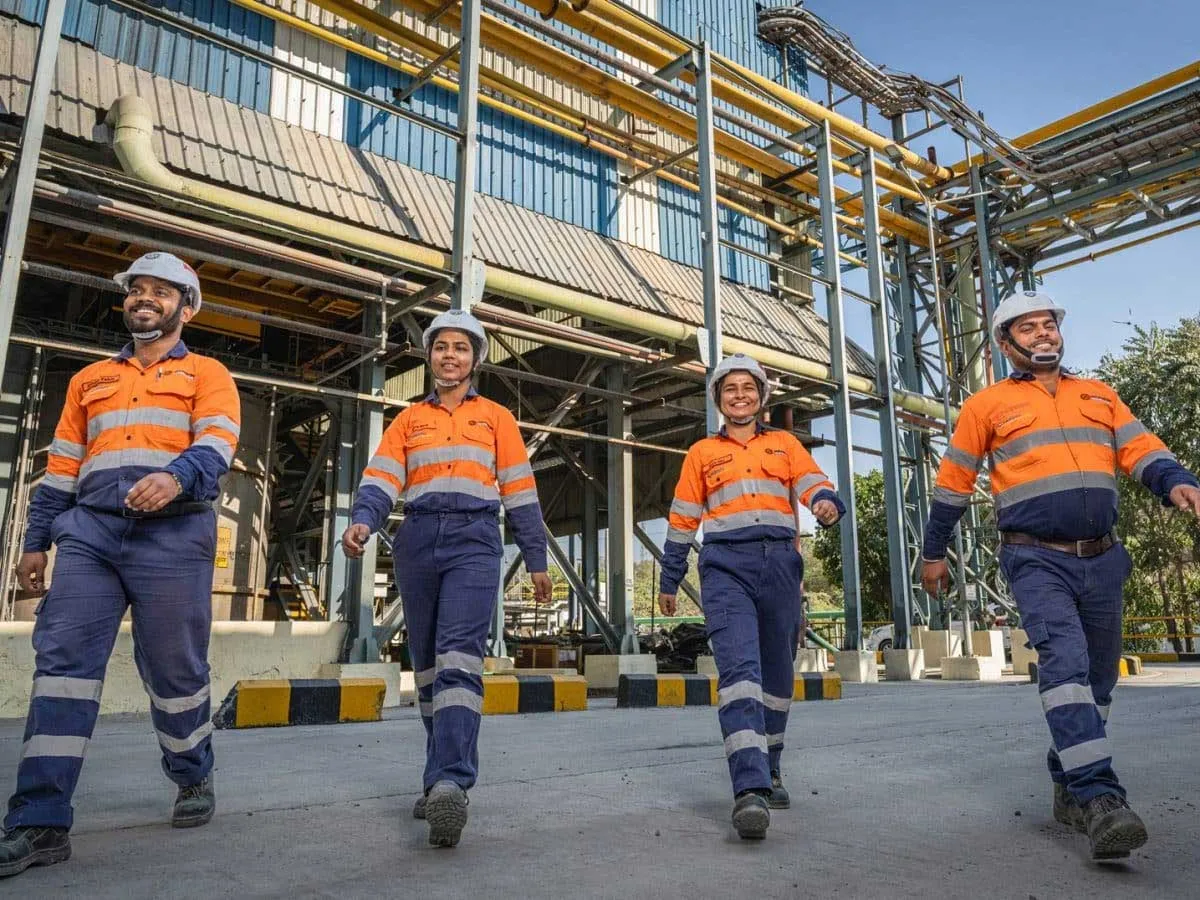
Hindustan Zinc contributed Rs 188.46 billion to the public exchequer in FY 2025-26, according to its 9th Tax Transparency Report. The contribution, equivalent to 46 per cent of the company’s revenue, included direct and indirect taxes, government royalties, dividends to the Government of India, withholding taxes and other statutory levies.The company’s five-year cumulative contribution to the exchequer stood at Rs 915.72 billion. In FY26, Hindustan Zinc reported revenue of Rs 408.44 billion, EBITDA of Rs 221.62 billion and profit after tax of Rs 138.32 billion. It also achieved its highest..
Next Story
Infrastructure Urban

World of Concrete India 2026 Opens in Mumbai

Informa Markets in India will host the 12th edition of World of Concrete India 2026 from 3–5 June 2026 at the Bombay Exhibition Centre, Mumbai. The specialised B2B exhibition will bring together manufacturers, suppliers, contractors, developers, architects, consultants, infrastructure companies, project leaders and government stakeholders.The event is expected to feature over 350 brands and more than 18,000 trade professionals. It will cover concrete and cement, dry mortar, precast technologies, formwork, construction chemicals, industrial and commercial flooring, scaffolding, safety solutio..

Advertisement

Subscribe to Our Newsletter

Get daily newsletters around different themes from Construction world.

STAY CONNECTED

Advertisement

Advertisement

Advertisement