COVID-19: What will India’s relief package be like?
Real Estate

COVID-19: What will India’s relief package be like?

Image source: IMF

Over 1.9 million positive cases and over a hundred and ten thousand deaths have been reported world over, and the number seems to be only growing (at 2.68 per cent on a daily basis), as per World Health Organisation’s (WHO) COVID-19 dashboard. With many countries already on an extended lockdown , economic activities have come to a halt. With growing unemployment rates, stretched balance sheets, lower capex, weak consumer demand and more, COVID-19 poses a serious risk of sending economies into recession.

To survive this blow, governments and central banks all over the world have enacted fiscal and monetary stimulus measures to counteract the disruption caused by the Coronavirus. World Bank Group has announced up to $12 billion immediate support for COVID-19 country response. Whereas, the International Monetary Fund (IMF) is making available about $50 billion through its rapid-disbursing emergency financing facilities for low income and emerging market countries that could potentially seek support. Of this, $10 billion is available at zero interest for the poorest members through the Rapid Credit Facility.

Let’s take a look at the top five economies (as per nominal GDP) stimulus packages here. All data has been taken from IMF’s policy tracker. Below chart depicts stimulus packages provided by the top five economies.

The United States of America (the US): An estimated US$2.3 trillion (around 11 per cent of GDP) has been released as per Coronavirus Aid, Relief and Economy Security Act (CARES Act). The Act includes:

  • US$250 billion to provide one-time tax rebates to individuals
  • US$250 billion to expand unemployment benefits
  • US$24 billion to provide a food safety net for the most vulnerable
  • US$510 billion to prevent corporate bankruptcy by providing loans, guarantees, and backstopping Federal Reserve 13(3) programme
  • US359 billion in forgivable Small Business Administration loans and guarantees to help small businesses that retain workers
  • US$100 billion for hospitals
  • US$150 billion in transfers to state and local governments, and
  • US$49.9 billion for international assistance – includes financial assistance to 64 countries.
  • People’s Republics of China: An estimated RMB 2.6 trillion (US$ 369 billion) of fiscal measures or financing plans have been announced. This forms 2.5 per cent of the China’s GDP. Apart from the measures implemented for epidemic prevention and control, medical equipment, unemployment insurance and tax relief, the Chinese government has also taken multiple steps to limit tightening in financial conditions. Some of the measures to provide financial relief to affected households, corporates, and regions facing repayment difficulties include:

  • Delay of loan payments and other credit support measures for eligible SMEs and households
  • Tolerance for higher NPLs for loans by epidemic-hit sectors and SMEs
  • Support bond issuance by financial institutions to finance SME lending
  • Additional financing support for corporates via increased bond issuance by corporates
  • Increased fiscal support for credit guarantees
  • Flexibility in the implementation of the asset management reform
  • Easing of housing policies by local governments.
  • Japan: On April 7, the Government of Japan adopted the Emergency Economic Package Against COVID-19 of ¥108.2 trillion (US$ 999.5 billion). This forms 20 per cent of Japan’s GDP and aims at the following five objectives:

  • Develop preventive measures against the spread of infection and strengthen treatment capacity (0.5 per cent of GDP).
  • Protect employment and businesses (15.1 per cent of GDP)
  • Regain economic activities after containment (1.6 per cent of GDP)
  • Rebuild a resilient economic structure (3 per cent of GDP)
  • Enhance readiness for the future (0.3 per cent of GDP).
  • The key measures comprise cash handouts to affected households and firms, deferral of tax payments and social security contributions, and concessional loans from public and private financial institutions.

    Germany: The country adopted a supplementary budget of €156 billion (US$ 170.6 billion). This forms 4.9 per cent of GDP, which includes:

  • Spending on healthcare equipment, hospital capacity and R&D (vaccine)
  • Expanded access to short-term work subsidy to preserve jobs and workers’ incomes, expanded childcare benefits for low-income parents and easier access to basic income support for the self-employed.
  • €50 billion (US$ 54.6 billion) in grants to small business owners and self-employed persons severely affected by the Covid-19 outbreak in addition to interest-free tax deferrals until year-end.
  • India: On March 26, India has announced a stimulus package valued at approximately Rs 1.76 trillion (US$ 22.6 billion), making up to 0.8 per cent of GDP. The key elements of the package are in-kind (food, cooking gas) and cash transfers to lower-income households, insurance coverage for workers in the healthcare sector, and wage support to low-wage workers. Apart from these, below mentioned are some of the monetary and micro-financial measures that are being implemented:

  • The Reserve Bank of India (RBI) reduced the repo and reverse repo rates by 75 and 90 basis points (bps)  to 4.4 and 4.0 per cent, respectively, and announced liquidity measures to the tune of Rs 3.7 trillion (1.8 per cent of GDP).
  • The RBI has provided relief to both borrowers and lenders, allowing companies a three-month moratorium on loan repayments and the Securities and Exchange Board of India (SEBI) has temporarily relaxed the norms related to debt default on rated instruments.
  • The RBI introduced regulatory measures to promote credit flows to the retail sector and micro, small, and medium enterprises (MSMEs)  and provided regulatory forbearance on asset classification of loans to MSMEs and real estate developers.
  • Are these measures enough?

    A relief package for the industry is awaited. Stock markets are elated expecting a package of Rs 2 trillion. How much better could the governments/federal banks balance the fiscal component with that of the monetary component of their measures? Questions do remain. And the answers could potentially help us channel our response to better contain the adverse impact from the pandemic.

    Meanwhile there have been heartening displays of solidarity at grass roots levels by citizens and self-help groups who have been spontaneously organising themselves and relentlessly working to support those in need during these times. And it’s heart-warming to see this spirit cut across class, caste, religion and region based divides.

    Many of us might have such inspiring stories about how – in our own small ways – we have been trying to contribute to those in need around us. After all, as they say, charity begins at home.

    Stay home, stay safe and let’s help those in need during these unprecedented times.

    Image source: IMF Over 1.9 million positive cases and over a hundred and ten thousand deaths have been reported world over, and the number seems to be only growing (at 2.68 per cent on a daily basis), as per World Health Organisation’s (WHO) COVID-19 dashboard. With many countries already on an extended lockdown , economic activities have come to a halt. With growing unemployment rates, stretched balance sheets, lower capex, weak consumer demand and more, COVID-19 poses a serious risk of sending economies into recession. To survive this blow, governments and central banks all over the world have enacted fiscal and monetary stimulus measures to counteract the disruption caused by the Coronavirus. World Bank Group has announced up to $12 billion immediate support for COVID-19 country response. Whereas, the International Monetary Fund (IMF) is making available about $50 billion through its rapid-disbursing emergency financing facilities for low income and emerging market countries that could potentially seek support. Of this, $10 billion is available at zero interest for the poorest members through the Rapid Credit Facility. Let’s take a look at the top five economies (as per nominal GDP) stimulus packages here. All data has been taken from IMF’s policy tracker. Below chart depicts stimulus packages provided by the top five economies. The United States of America (the US): An estimated US$2.3 trillion (around 11 per cent of GDP) has been released as per Coronavirus Aid, Relief and Economy Security Act (CARES Act). The Act includes: US$250 billion to provide one-time tax rebates to individuals US$250 billion to expand unemployment benefits US$24 billion to provide a food safety net for the most vulnerable US$510 billion to prevent corporate bankruptcy by providing loans, guarantees, and backstopping Federal Reserve 13(3) programme US359 billion in forgivable Small Business Administration loans and guarantees to help small businesses that retain workers US$100 billion for hospitals US$150 billion in transfers to state and local governments, and US$49.9 billion for international assistance – includes financial assistance to 64 countries. People’s Republics of China: An estimated RMB 2.6 trillion (US$ 369 billion) of fiscal measures or financing plans have been announced. This forms 2.5 per cent of the China’s GDP. Apart from the measures implemented for epidemic prevention and control, medical equipment, unemployment insurance and tax relief, the Chinese government has also taken multiple steps to limit tightening in financial conditions. Some of the measures to provide financial relief to affected households, corporates, and regions facing repayment difficulties include: Delay of loan payments and other credit support measures for eligible SMEs and households Tolerance for higher NPLs for loans by epidemic-hit sectors and SMEs Support bond issuance by financial institutions to finance SME lending Additional financing support for corporates via increased bond issuance by corporates Increased fiscal support for credit guarantees Flexibility in the implementation of the asset management reform Easing of housing policies by local governments. Japan: On April 7, the Government of Japan adopted the Emergency Economic Package Against COVID-19 of ¥108.2 trillion (US$ 999.5 billion). This forms 20 per cent of Japan’s GDP and aims at the following five objectives: Develop preventive measures against the spread of infection and strengthen treatment capacity (0.5 per cent of GDP). Protect employment and businesses (15.1 per cent of GDP) Regain economic activities after containment (1.6 per cent of GDP) Rebuild a resilient economic structure (3 per cent of GDP) Enhance readiness for the future (0.3 per cent of GDP). The key measures comprise cash handouts to affected households and firms, deferral of tax payments and social security contributions, and concessional loans from public and private financial institutions. Germany: The country adopted a supplementary budget of €156 billion (US$ 170.6 billion). This forms 4.9 per cent of GDP, which includes: Spending on healthcare equipment, hospital capacity and R&D (vaccine) Expanded access to short-term work subsidy to preserve jobs and workers’ incomes, expanded childcare benefits for low-income parents and easier access to basic income support for the self-employed. €50 billion (US$ 54.6 billion) in grants to small business owners and self-employed persons severely affected by the Covid-19 outbreak in addition to interest-free tax deferrals until year-end. India: On March 26, India has announced a stimulus package valued at approximately Rs 1.76 trillion (US$ 22.6 billion), making up to 0.8 per cent of GDP. The key elements of the package are in-kind (food, cooking gas) and cash transfers to lower-income households, insurance coverage for workers in the healthcare sector, and wage support to low-wage workers. Apart from these, below mentioned are some of the monetary and micro-financial measures that are being implemented: The Reserve Bank of India (RBI) reduced the repo and reverse repo rates by 75 and 90 basis points (bps)  to 4.4 and 4.0 per cent, respectively, and announced liquidity measures to the tune of Rs 3.7 trillion (1.8 per cent of GDP). The RBI has provided relief to both borrowers and lenders, allowing companies a three-month moratorium on loan repayments and the Securities and Exchange Board of India (SEBI) has temporarily relaxed the norms related to debt default on rated instruments. The RBI introduced regulatory measures to promote credit flows to the retail sector and micro, small, and medium enterprises (MSMEs)  and provided regulatory forbearance on asset classification of loans to MSMEs and real estate developers. Are these measures enough? A relief package for the industry is awaited. Stock markets are elated expecting a package of Rs 2 trillion. How much better could the governments/federal banks balance the fiscal component with that of the monetary component of their measures? Questions do remain. And the answers could potentially help us channel our response to better contain the adverse impact from the pandemic. Meanwhile there have been heartening displays of solidarity at grass roots levels by citizens and self-help groups who have been spontaneously organising themselves and relentlessly working to support those in need during these times. And it’s heart-warming to see this spirit cut across class, caste, religion and region based divides. Many of us might have such inspiring stories about how – in our own small ways – we have been trying to contribute to those in need around us. After all, as they say, charity begins at home. Stay home, stay safe and let’s help those in need during these unprecedented times.

    Related Stories

    Gold Stories

    Next Story
    Real Estate

    LML Realty Sells Out Jhirka Valley Industrial Park in Haryana

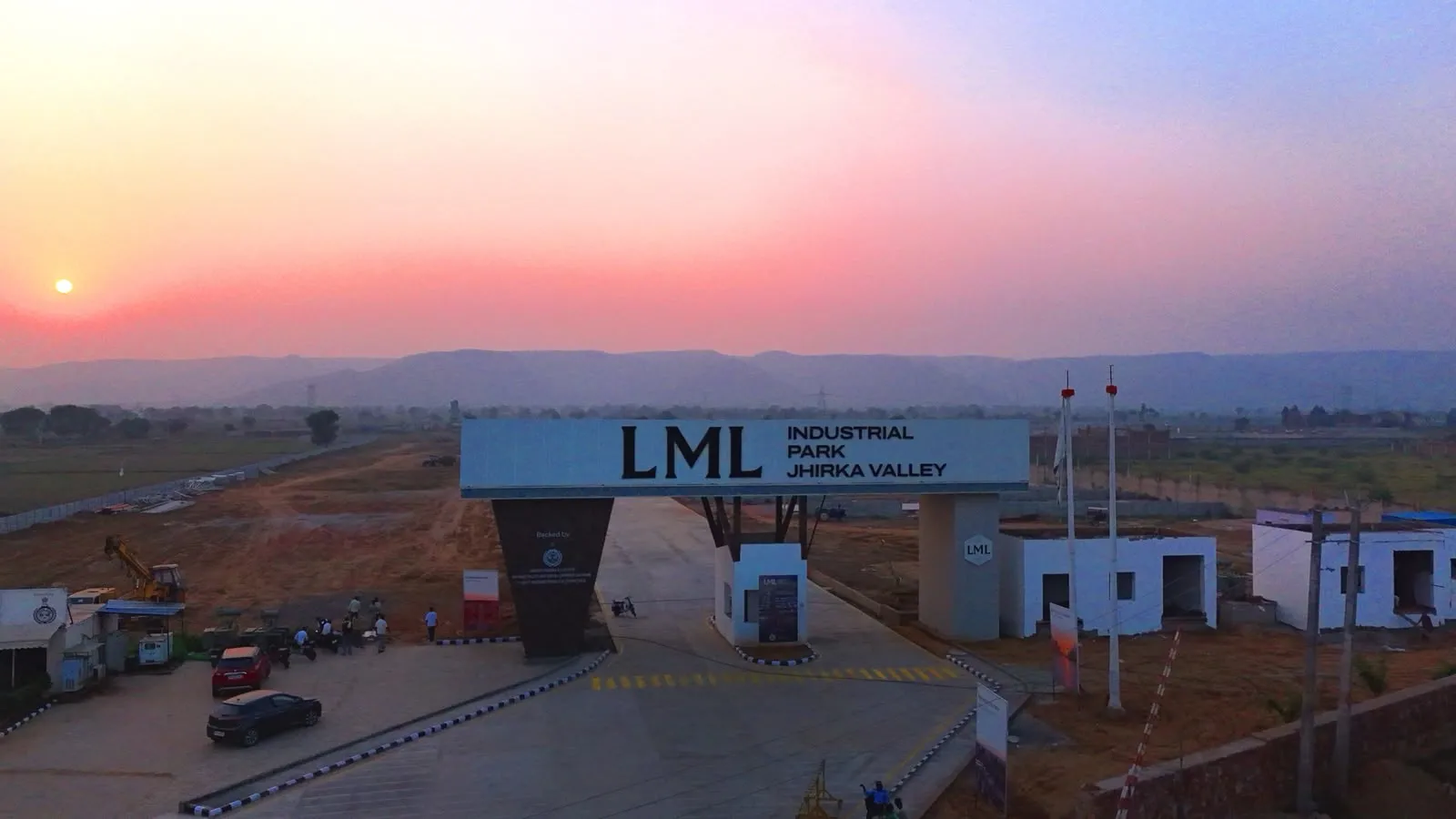
    LML Realty, the real estate arm of LML Group, recently announced the complete sell-out of its Jhirka Valley Industrial Park in Haryana, with over 1.17 million sq ft of industrial space acquired by more than 50 companies. With utilities and internal infrastructure in place, the company has commenced plot handovers, enabling buyers to begin construction and establish their operations.The industrial park has attracted companies across diverse sectors, including chemicals, metals and alloys, textiles, electrical equipment, energy, logistics, construction, polymers and engineering. Key buyers inclu..

    Next Story
    Real Estate

    WSB Real Estate Partners Exits Six Housing Investments

    WSB Real Estate Partners recently announced the successful exit of six residential investments across Bengaluru, Mumbai Metropolitan Region (MMR) and National Capital Region (NCR), delivering an average internal rate of return (IRR) of 19–21 per cent and an overall investment return of 1.4 times.The real estate-focused investment firm invested approximately Rs 7 billion across six mid-affordable housing projects over the past four years. All six investments were fully repaid between April and November 2026, several months ahead of their original investment tenures.WSB collaborated with sever..

    Next Story
    Infrastructure Transport

    Aluminium Industry Seeks Policy Support for Rs 4 Trillion Investment

    The Aluminium Association of India (AAI) has recently urged the government to introduce supportive policy measures to safeguard the sector’s proposed Rs 4 trillion investment pipeline. The association highlighted the need for a predictable policy framework to strengthen domestic manufacturing, expand production capacity and reduce import dependence.AAI submitted its recommendations for the Union Budget 2027-28 to the Ministries of Finance, Commerce and Industry, and Mines, along with the Department for Promotion of Industry and Internal Trade (DPIIT).India’s aluminium demand is projected t..

    Subscribe to Our Newsletter

    Get daily newsletters around different themes from Construction world.

    STAY CONNECTED

    Advertisement

    SPECIAL OFFER
    QR Code