Materials and technologies used in the making of KLIS’ Medigadda Barrage
Equipment

Materials and technologies used in the making of KLIS’ Medigadda Barrage

The Kaleshwaram Lift Irrigation Scheme (KLIS), one of the world’s largest irrigation projects, now operational, aims to irrigate 18.25 lakh acre in 13 districts and stabilise another 18.75 lakh acre in seven more districts of Telangana. In this article, we feature the first, and largest barrage of KLIS, the Medigadda Barrage, constructed by construction major Larsen & Toubro (L&T).

The highlights
During its execution, L&T set several records in terms of the amount of materials used such as concrete and steel, in an extremely challenging operating environment. Some highlights:

  • 16,722 cu m concrete poured in 24 hours
  • 25,584 concrete poured in 72 hours
  • 1.94 lakh cu m concrete poured in a month
  • 9,200 mt of rebar in a single month
  • 10 m height formwork, first-of-its-kind in India, for the piers
  • 25,000 mt of steel gates fabricated in 12 months
  • 85 gates erected in four months.

Materials: High on quality

  • The 110-m-wide and 3.7-m-thickraft was of M2540MSA grade RCC, concreted in three successive lifts with pour heights of 1.5m, 1.5m and 0.7m respectively.
  • Each pier is 110mlong and 4mwide with RCC of M25 20MSA grade.
  • All batching plants were integrated with ice or chiller plants to control adiabatic temperature rise or heat produced owing to hydration of cement in mass concrete. The concrete was produced at a reduced temperature of 20°C by adding ice flakes and chilled water without affecting the water-cement ratio as per mix design. The temperature and slump of concrete were continuously monitored until placement.

SV Desai, Senior Vice-President & Head-Heavy Civil Infrastructure IC, L&T Construction, shares the major daily average material consumption during peak time:

  • Cement: 1,700 mt (34,000 bags): 50 bulkers
  • 1.1 lakh mt steel rebar was a huge task, properly streamlined to ensure uninterrupted supplies
  • Aggregates: 5,500 mt: 150 truck loads
  • Reinforcement: 250 mt: 10 trailers.

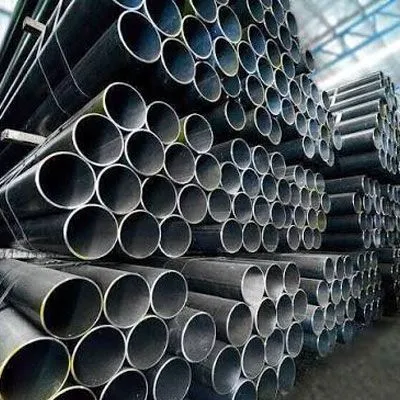
L&T system formwork: Was used for its low heat conductivity that prevented loss of heat that reduced stripping and cycle time and for its smooth finish and elegant appearance as well.

Sheet pile for seepage arrest in cofferdam: Sheet piles of 10 m depth were driven along the periphery of the cofferdam to reduce the seepage from the flowing river during monsoon and non-monsoon periods. The project consumed 2,500 mt of sheet pile to minimise the seepage.

Technology equipped
Equipment used for construction included wheel-loaders, ice and chilling plants, hydraulic, pick-and-carry and tower cranes, bull-dozers, excavators, dumpers, and automated pull-through welding and automated CNC cutting machines.

Construction of the raft foundation required ground improvement. Desai elaborates, “The geotechnical investigation revealed certain weak areas in the ground strata that required strengthening. While methods like vibro compaction, dynamic compaction or rapid impact compaction are available, they are also time-consuming and costly. After a thorough analysis, we adopted the cement stabilisation dry-and-wet method.”

SERAPHINA D’SOUZA

The Kaleshwaram Lift Irrigation Scheme (KLIS), one of the world’s largest irrigation projects, now operational, aims to irrigate 18.25 lakh acre in 13 districts and stabilise another 18.75 lakh acre in seven more districts of Telangana. In this article, we feature the first, and largest barrage of KLIS, the Medigadda Barrage, constructed by construction major Larsen & Toubro (L&T). The highlights During its execution, L&T set several records in terms of the amount of materials used such as concrete and steel, in an extremely challenging operating environment. Some highlights: 16,722 cu m concrete poured in 24 hours 25,584 concrete poured in 72 hours 1.94 lakh cu m concrete poured in a month 9,200 mt of rebar in a single month 10 m height formwork, first-of-its-kind in India, for the piers 25,000 mt of steel gates fabricated in 12 months 85 gates erected in four months. Materials: High on quality The 110-m-wide and 3.7-m-thickraft was of M2540MSA grade RCC, concreted in three successive lifts with pour heights of 1.5m, 1.5m and 0.7m respectively. Each pier is 110mlong and 4mwide with RCC of M25 20MSA grade. All batching plants were integrated with ice or chiller plants to control adiabatic temperature rise or heat produced owing to hydration of cement in mass concrete. The concrete was produced at a reduced temperature of 20°C by adding ice flakes and chilled water without affecting the water-cement ratio as per mix design. The temperature and slump of concrete were continuously monitored until placement. SV Desai, Senior Vice-President & Head-Heavy Civil Infrastructure IC, L&T Construction, shares the major daily average material consumption during peak time: Cement: 1,700 mt (34,000 bags): 50 bulkers 1.1 lakh mt steel rebar was a huge task, properly streamlined to ensure uninterrupted supplies Aggregates: 5,500 mt: 150 truck loads Reinforcement: 250 mt: 10 trailers. L&T system formwork: Was used for its low heat conductivity that prevented loss of heat that reduced stripping and cycle time and for its smooth finish and elegant appearance as well. Sheet pile for seepage arrest in cofferdam: Sheet piles of 10 m depth were driven along the periphery of the cofferdam to reduce the seepage from the flowing river during monsoon and non-monsoon periods. The project consumed 2,500 mt of sheet pile to minimise the seepage. Technology equipped Equipment used for construction included wheel-loaders, ice and chilling plants, hydraulic, pick-and-carry and tower cranes, bull-dozers, excavators, dumpers, and automated pull-through welding and automated CNC cutting machines. Construction of the raft foundation required ground improvement. Desai elaborates, “The geotechnical investigation revealed certain weak areas in the ground strata that required strengthening. While methods like vibro compaction, dynamic compaction or rapid impact compaction are available, they are also time-consuming and costly. After a thorough analysis, we adopted the cement stabilisation dry-and-wet method.” SERAPHINA D’SOUZA

Related Stories

Gold Stories

Next Story
Real Estate

LML Realty Sells Out Jhirka Valley Industrial Park in Haryana

LML Realty, the real estate arm of LML Group, recently announced the complete sell-out of its Jhirka Valley Industrial Park in Haryana, with over 1.17 million sq ft of industrial space acquired by more than 50 companies. With utilities and internal infrastructure in place, the company has commenced plot handovers, enabling buyers to begin construction and establish their operations.The industrial park has attracted companies across diverse sectors, including chemicals, metals and alloys, textiles, electrical equipment, energy, logistics, construction, polymers and engineering. Key buyers inclu..

Next Story
Real Estate

WSB Real Estate Partners Exits Six Housing Investments

WSB Real Estate Partners recently announced the successful exit of six residential investments across Bengaluru, Mumbai Metropolitan Region (MMR) and National Capital Region (NCR), delivering an average internal rate of return (IRR) of 19–21 per cent and an overall investment return of 1.4 times.The real estate-focused investment firm invested approximately Rs 7 billion across six mid-affordable housing projects over the past four years. All six investments were fully repaid between April and November 2026, several months ahead of their original investment tenures.WSB collaborated with sever..

Next Story
Infrastructure Transport

Aluminium Industry Seeks Policy Support for Rs 4 Trillion Investment

The Aluminium Association of India (AAI) has recently urged the government to introduce supportive policy measures to safeguard the sector’s proposed Rs 4 trillion investment pipeline. The association highlighted the need for a predictable policy framework to strengthen domestic manufacturing, expand production capacity and reduce import dependence.AAI submitted its recommendations for the Union Budget 2027-28 to the Ministries of Finance, Commerce and Industry, and Mines, along with the Department for Promotion of Industry and Internal Trade (DPIIT).India’s aluminium demand is projected t..

Subscribe to Our Newsletter

Get daily newsletters around different themes from Construction world.

STAY CONNECTED

Advertisement

SPECIAL OFFER
QR Code