India Needs Indigenous Technology to Strengthen Energy Security
COAL & MINING

India Needs Indigenous Technology to Strengthen Energy Security

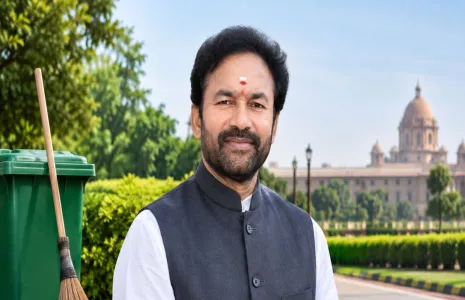
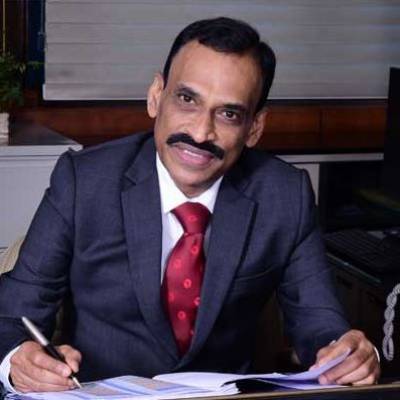
Union Coal and Mines Minister G Kishan Reddy has called for the development of indigenous technologies in critical minerals, energy and mining to strengthen India’s energy security and reduce exposure to geopolitical disruptions. He made the remarks while addressing the 17th convocation of the National Institute of Technology (NIT) Raipur.

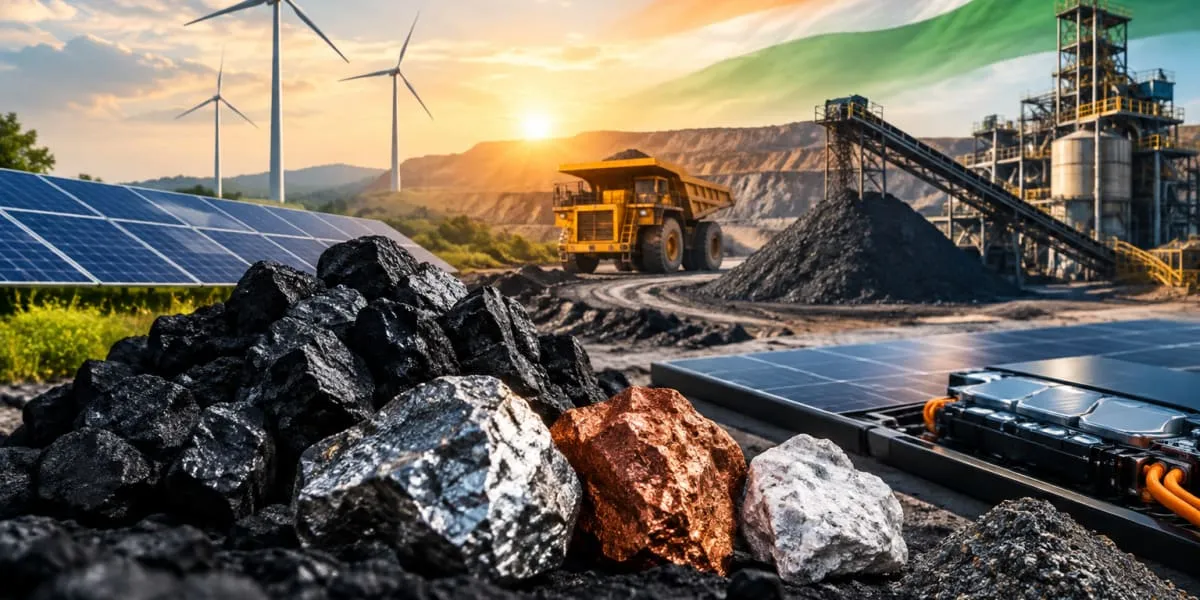
Reddy said India needed domestic processing facilities and more efficient mining technologies as demand for critical minerals increases across electric vehicles, renewable energy, semiconductors, batteries and defence. He said the National Critical Mineral Mission was intended to strengthen self-reliance across the supply chain through new technologies and processing capabilities.

NIT Raipur is among the institutions working with a Centre of Excellence under the mission. Reddy said indigenous technology would help ensure that domestic production remains resilient against geopolitical challenges as India pursues its net-zero and energy-security objectives.

The minister highlighted government support for research and development, including the Rs. 500 bn Anusandhan National Research Foundation and the Rs. 1 tn Deep Tech Research and Development Fund. Other initiatives cited included the Prime Minister’s Early Career Research Grant, Partnerships for Accelerated Innovation and Research, Artificial Intelligence for Science and Engineering, and the Critical Raw Materials Research Programme.

Reddy said India now had 52 institutions in the QS World University Rankings 2027, a 271 per cent increase, while the number of universities had risen from around 700 in 2014 to more than 1,100. He also noted that commercial production and shipments of Made-in-India semiconductor memory modules began at Micron’s Sanand facility in Gujarat in February.

Patent filings have risen from fewer than 15,000 a decade ago to nearly 175,000 last year, while the Gross Enrolment Ratio in higher education increased from 23.7 per cent in 2014-15 to around 29 per cent. A total of 1,364 students, including 91 PhD scholars, received degrees at the convocation. Reddy urged graduates to pursue research and innovation in India and apply technology to challenges in energy, mining, healthcare and sustainability.

Union Coal and Mines Minister G Kishan Reddy has called for the development of indigenous technologies in critical minerals, energy and mining to strengthen India’s energy security and reduce exposure to geopolitical disruptions. He made the remarks while addressing the 17th convocation of the National Institute of Technology (NIT) Raipur. Reddy said India needed domestic processing facilities and more efficient mining technologies as demand for critical minerals increases across electric vehicles, renewable energy, semiconductors, batteries and defence. He said the National Critical Mineral Mission was intended to strengthen self-reliance across the supply chain through new technologies and processing capabilities. NIT Raipur is among the institutions working with a Centre of Excellence under the mission. Reddy said indigenous technology would help ensure that domestic production remains resilient against geopolitical challenges as India pursues its net-zero and energy-security objectives. The minister highlighted government support for research and development, including the Rs. 500 bn Anusandhan National Research Foundation and the Rs. 1 tn Deep Tech Research and Development Fund. Other initiatives cited included the Prime Minister’s Early Career Research Grant, Partnerships for Accelerated Innovation and Research, Artificial Intelligence for Science and Engineering, and the Critical Raw Materials Research Programme. Reddy said India now had 52 institutions in the QS World University Rankings 2027, a 271 per cent increase, while the number of universities had risen from around 700 in 2014 to more than 1,100. He also noted that commercial production and shipments of Made-in-India semiconductor memory modules began at Micron’s Sanand facility in Gujarat in February. Patent filings have risen from fewer than 15,000 a decade ago to nearly 175,000 last year, while the Gross Enrolment Ratio in higher education increased from 23.7 per cent in 2014-15 to around 29 per cent. A total of 1,364 students, including 91 PhD scholars, received degrees at the convocation. Reddy urged graduates to pursue research and innovation in India and apply technology to challenges in energy, mining, healthcare and sustainability.

Related Stories

Gold Stories

Next Story
Equipment

BorgWarner secures three turbocharger contracts with global powertrain leader

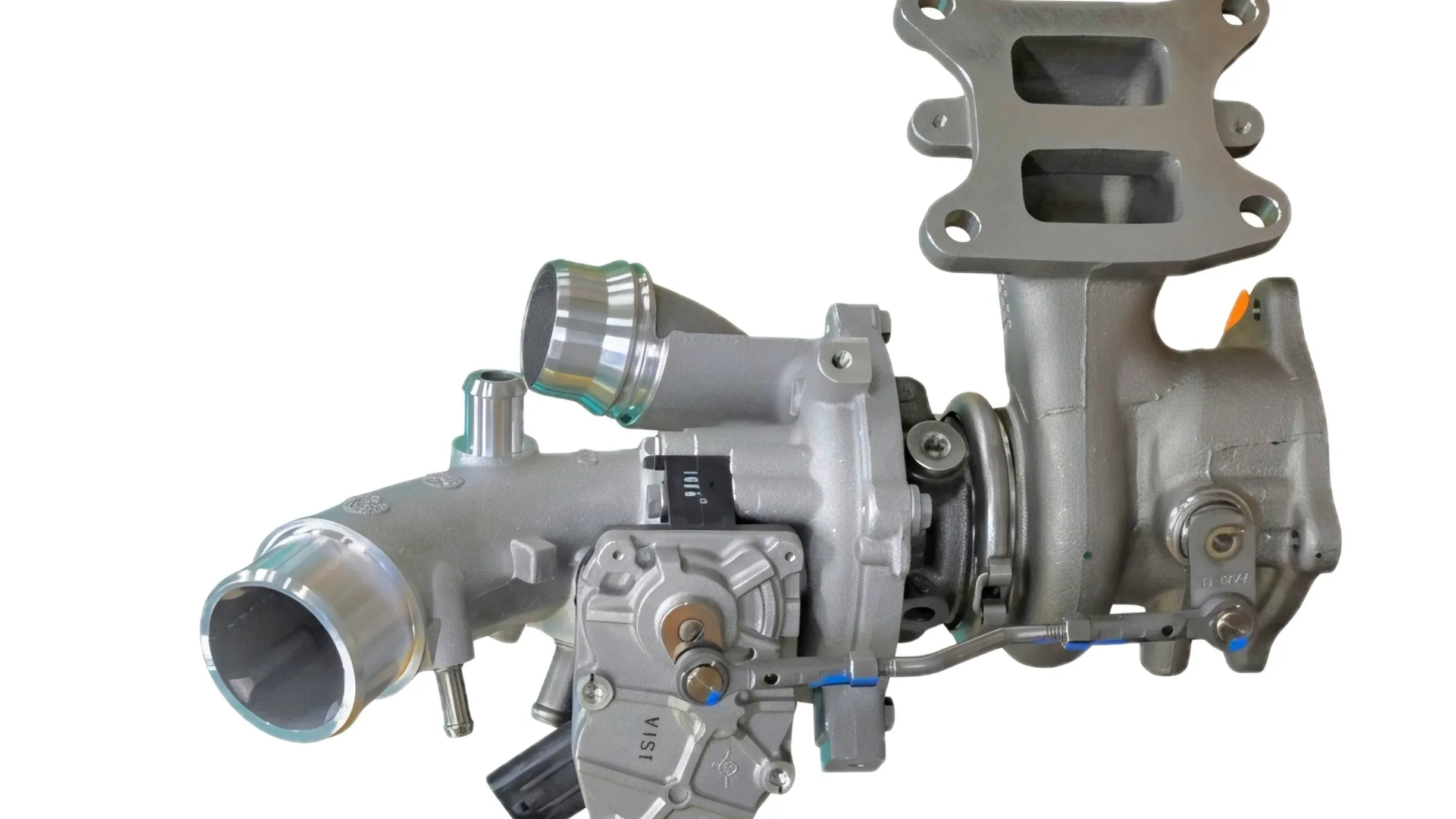
BorgWarner has secured three new turbocharger contracts with a global powertrain technology company. The wins comprise one contract for its variable turbine geometry (VTG) turbocharger and two for its wastegate turbocharger. The technologies will be deployed in the customer's light-vehicle gasoline platforms in South America and Europe, with production scheduled to begin in 2027.The VTG turbochargers are designed for gasoline engines operating under demanding conditions and high-boost pressure requirements. They are engineered to support Miller-cycle engines and withstand exhaust temperatures ..

Next Story
Infrastructure Transport

International Digi Yatra Trials Begin at Seven Airports

India has begun trials of Digi Yatra for international passengers at seven airports, allowing eligible Indian passport holders to use facial recognition at selected airport checkpoints. The facility is currently limited to Indian nationals with e-passports travelling on selected international flights operated by Air India and IndiGo. The Civil Aviation Ministry announced the trials on 1 November, with testing scheduled through December 2026. A wider rollout is expected in 2027 after the ministry assesses passenger feedback gathered during the trial period, according to PTI. The system is inten..

Next Story
Infrastructure Transport

Air India Plans More Wide-Body Jets, CEO Signals Profitability Soon

Air India is seeking to expand its order for wide-body aircraft as it works to increase international passenger traffic, chief executive Tewolde Gebremariam said on Tuesday. The Tata Group-owned carrier is also targeting a return to profitability in the near term, as its turnaround programme addresses fleet, network and service challenges. The comments came months after Gebremariam took charge of the airline. Gebremariam, who previously led Ethiopian Airlines, said the airline wanted more wide-body aircraft. Air India has held discussions with Boeing and Airbus while assessing the economics of..

Advertisement

Subscribe to Our Newsletter

Get daily newsletters around different themes from Construction world.

STAY CONNECTED

Advertisement

SPECIAL OFFER
QR Code