India’s Ethanol Receipts Reach Rs. 9.87 bn Litres by September
OIL & GAS

India’s Ethanol Receipts Reach Rs. 9.87 bn Litres by September

India’s cumulative ethanol receipts reached 9.87 bn litres by the end of September in Ethanol Supply Year 2025-26, with grain-based feedstocks accounting for 71.4 per cent of the total, the All India Distillers’ Association (AIDA) said. Receipts by oil marketing companies represented 82.5 per cent of the total contracted allocation of 11.97 bn litres.

Grain-based feedstocks supplied 7.05 bn litres against an allocation of 9.08 bn litres, representing a fulfilment rate of 77.6 per cent. Maize was the largest individual contributor, providing 4.13 bn litres, or more than 41 per cent of total receipts, against an allocation of 6.14 bn litres.

Surplus rice held by the Food Corporation of India supplied 2.22 bn litres against an allocation of 2.33 bn litres. Damaged food grains contributed 700 mn litres, exceeding their allocation of 600 mn litres.

Sugar-based feedstocks supplied 2.82 bn litres against an allocation of 2.89 bn litres, achieving a fulfilment rate of 97.6 per cent. Sugarcane juice accounted for 1.51 bn litres against an allocation of 1.66 bn litres, while B-heavy molasses supplied 1.15 bn litres compared with 1.11 bn litres allocated.

C-heavy molasses supplied 160 mn litres against an allocation of 120 mn litres. AIDA Deputy General Bharati Balaji said a robust, multi-feedstock supply network would support long-term energy security, while policy continuity and broader applications for ethanol would help sustain investment and agricultural value chains. She identified flex-fuel vehicles, sustainable aviation fuel and compressed biogas as potential avenues for wider use.

India’s cumulative ethanol receipts reached 9.87 bn litres by the end of September in Ethanol Supply Year 2025-26, with grain-based feedstocks accounting for 71.4 per cent of the total, the All India Distillers’ Association (AIDA) said. Receipts by oil marketing companies represented 82.5 per cent of the total contracted allocation of 11.97 bn litres. Grain-based feedstocks supplied 7.05 bn litres against an allocation of 9.08 bn litres, representing a fulfilment rate of 77.6 per cent. Maize was the largest individual contributor, providing 4.13 bn litres, or more than 41 per cent of total receipts, against an allocation of 6.14 bn litres. Surplus rice held by the Food Corporation of India supplied 2.22 bn litres against an allocation of 2.33 bn litres. Damaged food grains contributed 700 mn litres, exceeding their allocation of 600 mn litres. Sugar-based feedstocks supplied 2.82 bn litres against an allocation of 2.89 bn litres, achieving a fulfilment rate of 97.6 per cent. Sugarcane juice accounted for 1.51 bn litres against an allocation of 1.66 bn litres, while B-heavy molasses supplied 1.15 bn litres compared with 1.11 bn litres allocated. C-heavy molasses supplied 160 mn litres against an allocation of 120 mn litres. AIDA Deputy General Bharati Balaji said a robust, multi-feedstock supply network would support long-term energy security, while policy continuity and broader applications for ethanol would help sustain investment and agricultural value chains. She identified flex-fuel vehicles, sustainable aviation fuel and compressed biogas as potential avenues for wider use.

Related Stories

Gold Stories

Next Story
Real Estate

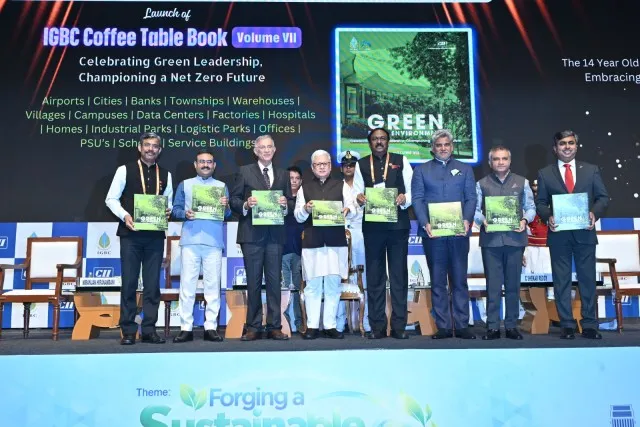
IGBC Green Building Congress 2026 advances India’s net-zero agenda

The Indian Green Building Council (IGBC), part of the Confederation of Indian Industry (CII), opened the 24th edition of the Green Building Congress 2026 at the Jio World Convention Centre, Mumbai, with a focus on accelerating India's green and net-zero building movement. The three-day event, being held from 26 to 28 November, brought together policymakers, industry leaders and sustainability experts to discuss green buildings, climate-resilient infrastructure and sustainable communities.A key highlight of the inaugural session was the launch of five pilot rating systems: Green Retail, DigiBui..
Next Story
Real Estate

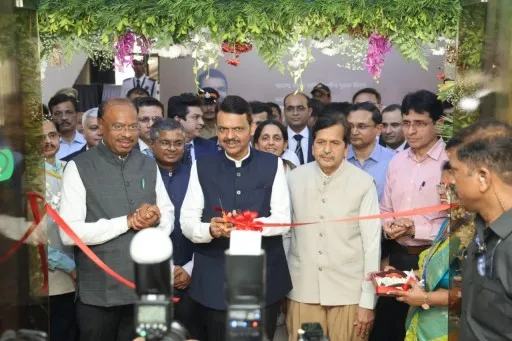
Maharashtra CM inaugurates fifth Model Sub-Registrar Office in Mumbai

Maharashtra Chief Minister Devendra Fadnavis has inaugurated a Model Sub-Registrar Office (SRO) in Lower Parel, Mumbai, taking the number of such centres launched in the state to five. The initiative aims to modernise property registration services through technology-enabled infrastructure and citizen-centric processes.Developed by the Government of Maharashtra in association with VFS Global and WE Excel Software, the Lower Parel centre follows the launch of Model SROs in Pune, Bandra Kurla Complex in Mumbai, Navi Mumbai and Nagpur.The centres provide facilities for registering property-relate..

Next Story
Infrastructure Transport

NHBF hails Indian Army aircraft operations on Amritsar–Jamnagar corridor

The National Highways Builders Federation (NHBF) has welcomed the successful landing and take-off of four Indian Army microlight aircraft on the Amritsar–Jamnagar Economic Corridor (NH-754K) in Gujarat. The exercise demonstrated the potential of highway infrastructure to support defence operations and emergency response. The expressway was developed by CDS Infra Projects, an NHBF member company.Developed under the Bharatmala Pariyojana, the six-lane greenfield corridor is described as India's second-longest expressway. The operation was conducted by the Indian Army's Team Mountain Eagles as ..

Subscribe to Our Newsletter

Get daily newsletters around different themes from Construction world.

STAY CONNECTED

Advertisement

SPECIAL OFFER
QR Code