Renault India Sees Hybrid, CNG Reaching 50 Per Cent of Sales
OIL & GAS

Renault India Sees Hybrid, CNG Reaching 50 Per Cent of Sales

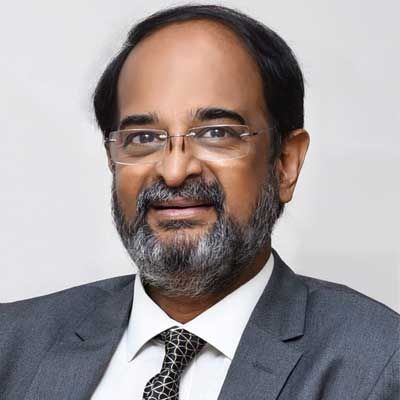
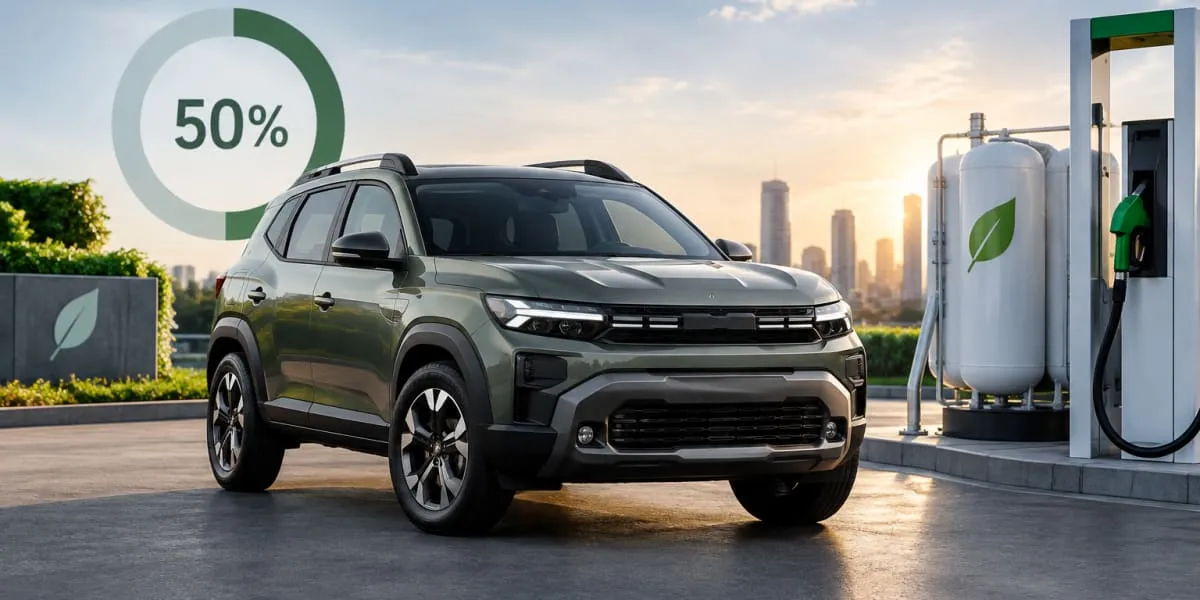
Renault India expects hybrid and compressed natural gas (CNG) vehicles to potentially account for up to 50 per cent of its powertrain mix within 2-3 years, as the carmaker broadens its portfolio beyond petrol models. Chief executive Stephane Deblaise said the company had not set a formal target, but believed the combination could reach that share as more products become available.

Renault has launched its first strong hybrid vehicle in India with the Duster sport utility vehicle and plans to introduce factory-fitted CNG models. The company is positioning hybrid technology as an alternative to diesel, while India’s passenger vehicle market develops across hybrid, CNG and electric powertrains rather than shifting immediately to one technology.

Deblaise said hybrids had not yet gained significant momentum because the market offered too few models and some existing products did not provide sufficiently strong performance. He said demand could expand as manufacturers introduce more options and customers assess fuel economy, pricing and driving experience against conventional diesel vehicles.

Renault expects hybrids to have greater potential in vehicles longer than four metres, while CNG is viewed as more suitable for the sub-four-metre segment. The company is considering a CNG version of the Triber compact multi-purpose vehicle as part of that strategy.

The Duster strong hybrid has an Automotive Research Association of India (ARAI)-certified fuel efficiency of 29 km per litre. It uses a 1.8-litre petrol engine, two electric motors and a 1.4 kWh battery, producing a combined 160 PS.

Under its futuREady strategy, Renault Group plans to offer seven models in India by the end of the decade, spanning compact cars and larger sport utility vehicles, along with strong hybrids and fully electric vehicles. The group also aims to generate annual exports worth Rs. 250 bn from India by 2030 through vehicles, components and related services, while seeking to rebuild its market share to 3-5 per cent by that year.

Renault India expects hybrid and compressed natural gas (CNG) vehicles to potentially account for up to 50 per cent of its powertrain mix within 2-3 years, as the carmaker broadens its portfolio beyond petrol models. Chief executive Stephane Deblaise said the company had not set a formal target, but believed the combination could reach that share as more products become available. Renault has launched its first strong hybrid vehicle in India with the Duster sport utility vehicle and plans to introduce factory-fitted CNG models. The company is positioning hybrid technology as an alternative to diesel, while India’s passenger vehicle market develops across hybrid, CNG and electric powertrains rather than shifting immediately to one technology. Deblaise said hybrids had not yet gained significant momentum because the market offered too few models and some existing products did not provide sufficiently strong performance. He said demand could expand as manufacturers introduce more options and customers assess fuel economy, pricing and driving experience against conventional diesel vehicles. Renault expects hybrids to have greater potential in vehicles longer than four metres, while CNG is viewed as more suitable for the sub-four-metre segment. The company is considering a CNG version of the Triber compact multi-purpose vehicle as part of that strategy. The Duster strong hybrid has an Automotive Research Association of India (ARAI)-certified fuel efficiency of 29 km per litre. It uses a 1.8-litre petrol engine, two electric motors and a 1.4 kWh battery, producing a combined 160 PS. Under its futuREady strategy, Renault Group plans to offer seven models in India by the end of the decade, spanning compact cars and larger sport utility vehicles, along with strong hybrids and fully electric vehicles. The group also aims to generate annual exports worth Rs. 250 bn from India by 2030 through vehicles, components and related services, while seeking to rebuild its market share to 3-5 per cent by that year.

Related Stories

Gold Stories

Next Story
Equipment

Volvo CE Partners with Laothani Tractor to Expand in Laos

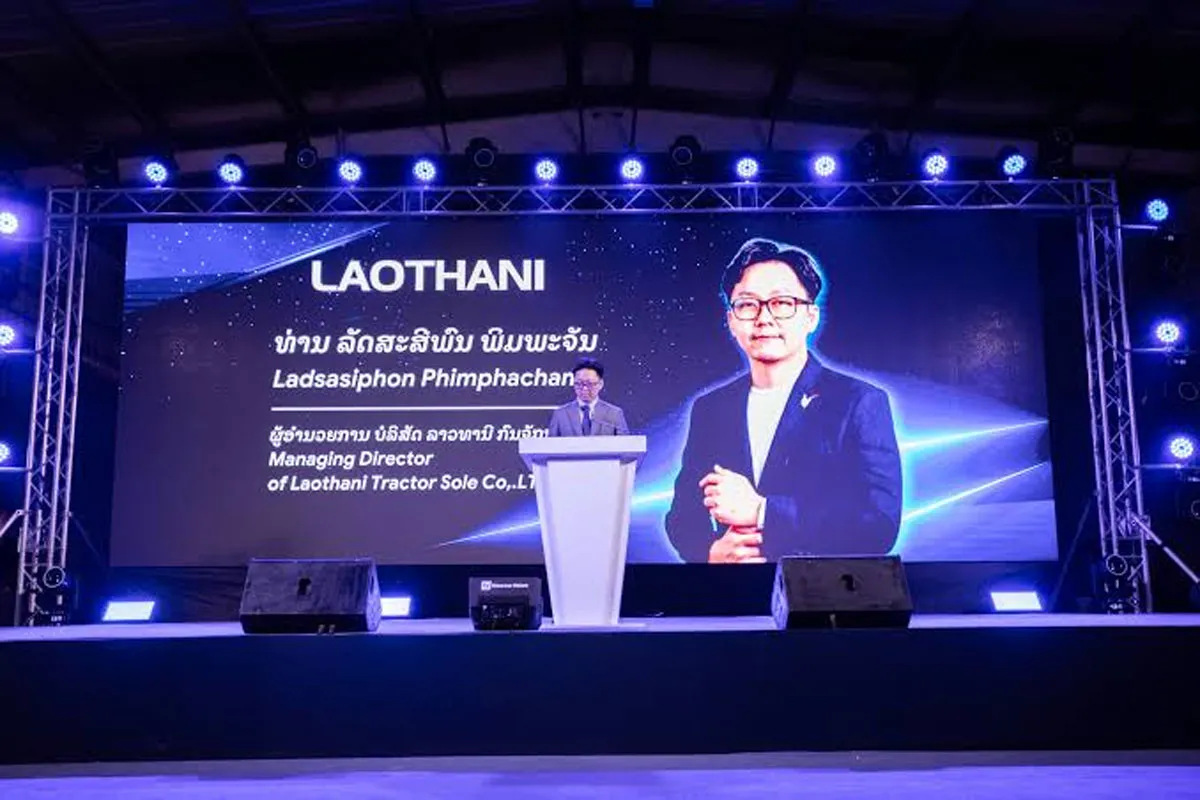
Volvo Construction Equipment (Volvo CE) has strengthened its presence in Laos through a new dealership partnership with Laothani Tractor, aimed at expanding equipment availability, aftersales services and technical support across the country's construction, mining and infrastructure sectors.The partnership was officially inaugurated on 4 November 2026 at Laothani Tractor's facility in Vientiane, alongside a customer roadshow showcasing Volvo CE's new-generation excavators and compaction equipment.As Volvo CE's national distributor in Laos, Laothani Tractor will provide sales, spare parts, main..
Next Story
Infrastructure Urban

HANGCHA Unveils AI Forklifts, Outlines 2030 Expansion Plans

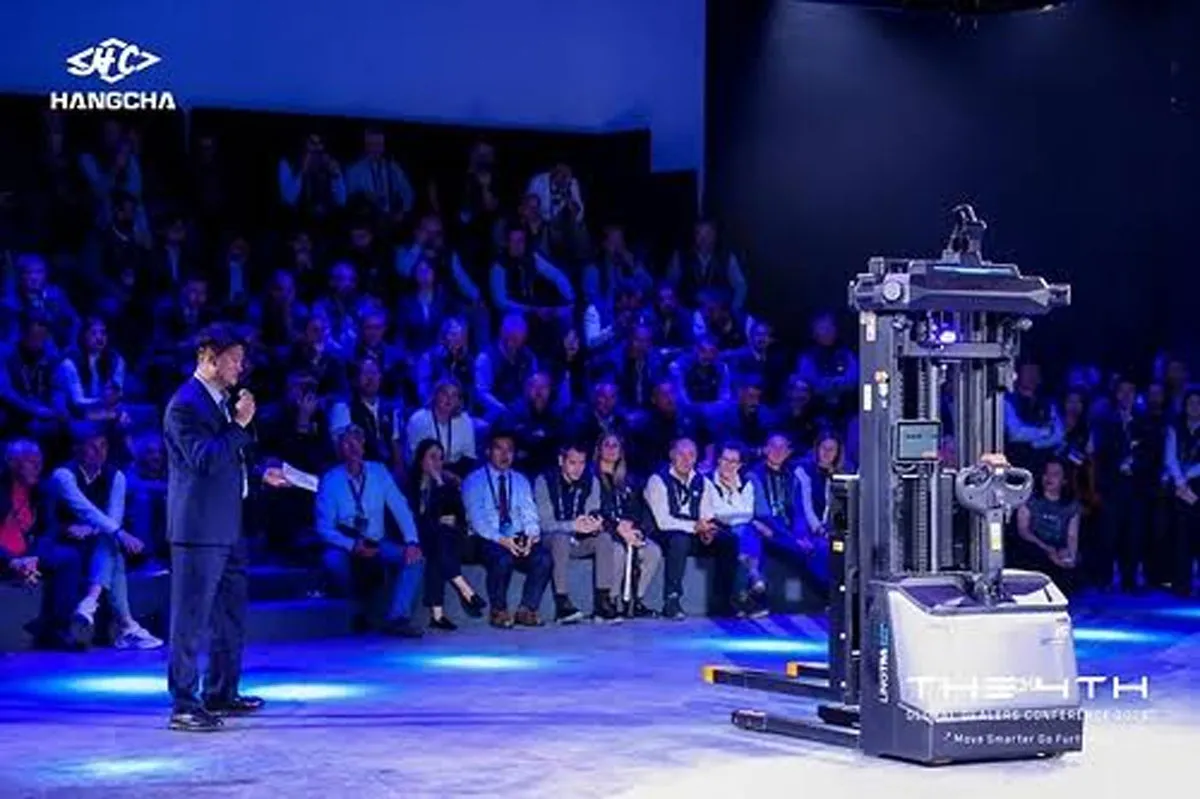
HANGCHA Group unveiled its LINGTRA AI-Fork robots and outlined its expansion strategy through 2030 at its fourth Global Dealers Conference in Hangzhou, China. The event, marking the company's 70th anniversary, brought together approximately 500 dealers from more than 100 countries and regions under the theme 'Move Smarter, Go Further'.The company highlighted its growth in industrial vehicles and intelligent material handling solutions. Annual forklift sales increased from 138,000 units in 2019 to 334,000 units in 2025, while revenue nearly doubled from RMB 8.9 billion to RMB 17.7 billion. Over..

Next Story
Infrastructure Urban

Henkel Reports 11 Per Cent Sales Growth in Q3 2026

Henkel reported an 11 per cent increase in Group sales to €5.71 billion in the third quarter of 2026, supported by strong performance across its Adhesive Technologies and Consumer Brands divisions. Organic sales rose by 6.5 per cent, driven by positive pricing and volume developments across all regions despite challenging market conditions.The company recorded sales of €16.06 billion during the first nine months of 2026, representing nominal growth of 3.3 per cent and organic growth of 4.3 per cent. Acquisitions and divestments contributed 4.4 per cent to third-quarter sales growth, while ..

Advertisement

Subscribe to Our Newsletter

Get daily newsletters around different themes from Construction world.

STAY CONNECTED

Advertisement

SPECIAL OFFER
QR Code