ADB, Japan Back AM Green’s Renewable Ammonia Plant
POWER & RENEWABLE ENERGY

ADB, Japan Back AM Green’s Renewable Ammonia Plant

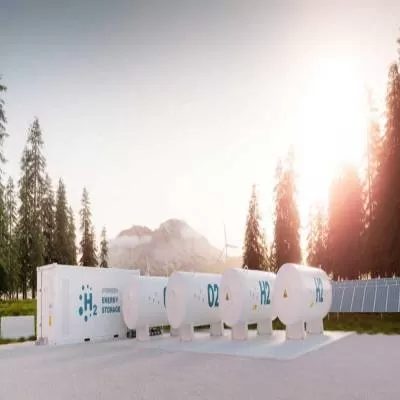
The Asian Development Bank (ADB) and the Government of Japan have signed financing agreements with AM Green Ammonia (India) to support the construction of a large renewable ammonia plant in Kakinada, Andhra Pradesh. The project is the first investment under the Action for Creating Energy Security for Long-term Resilience (ACCEL) initiative.

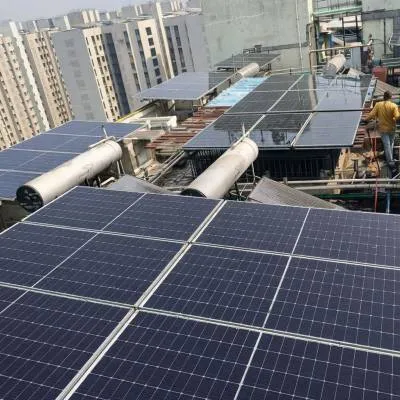
The facility will convert a former natural gas-based ammonia and urea plant to renewable-powered green ammonia production. It is designed to produce about 1.1 mn t per year, supporting an export-oriented industry in India and reducing emissions associated with the production of ammonia, an essential input for fertilisers and several industrial applications.

The investment includes a $100 mn loan from the Leading Asia’s Private Infrastructure Fund 2. The fund is financed by the Japan International Cooperation Agency (JICA) and administered by ADB. The financing is intended to help redevelop the existing industrial site and establish renewable energy-based production infrastructure.

The project will be implemented in two phases, with each phase comprising an ammonia train capable of producing 547.5 kt per annum. Phase 1 will include the first ammonia train and shared utilities required for both phases. It will be financed and commissioned before the second phase.

Phase 2 will be taken up subsequently, subject to the securing of additional long-term offtake arrangements. AM Green acquired the former gas-based ammonia and urea complex in Kakinada and is redeveloping it as a green ammonia facility. The project is expected to support cleaner production and create the foundation for a new export industry in India.

The financing represents the first transaction under ACCEL, through which ADB and Japan are seeking to back investments linked to energy security, lower-emission technologies and employment generation. Renewable ammonia can be used in fertiliser manufacturing and may also serve as an energy carrier in international markets.

The Asian Development Bank (ADB) and the Government of Japan have signed financing agreements with AM Green Ammonia (India) to support the construction of a large renewable ammonia plant in Kakinada, Andhra Pradesh. The project is the first investment under the Action for Creating Energy Security for Long-term Resilience (ACCEL) initiative. The facility will convert a former natural gas-based ammonia and urea plant to renewable-powered green ammonia production. It is designed to produce about 1.1 mn t per year, supporting an export-oriented industry in India and reducing emissions associated with the production of ammonia, an essential input for fertilisers and several industrial applications. The investment includes a $100 mn loan from the Leading Asia’s Private Infrastructure Fund 2. The fund is financed by the Japan International Cooperation Agency (JICA) and administered by ADB. The financing is intended to help redevelop the existing industrial site and establish renewable energy-based production infrastructure. The project will be implemented in two phases, with each phase comprising an ammonia train capable of producing 547.5 kt per annum. Phase 1 will include the first ammonia train and shared utilities required for both phases. It will be financed and commissioned before the second phase. Phase 2 will be taken up subsequently, subject to the securing of additional long-term offtake arrangements. AM Green acquired the former gas-based ammonia and urea complex in Kakinada and is redeveloping it as a green ammonia facility. The project is expected to support cleaner production and create the foundation for a new export industry in India. The financing represents the first transaction under ACCEL, through which ADB and Japan are seeking to back investments linked to energy security, lower-emission technologies and employment generation. Renewable ammonia can be used in fertiliser manufacturing and may also serve as an energy carrier in international markets.

Related Stories

Gold Stories

Next Story
Infrastructure Transport

Thiruvananthapuram Airport to Get Rs. 25 bn Terminal Expansion

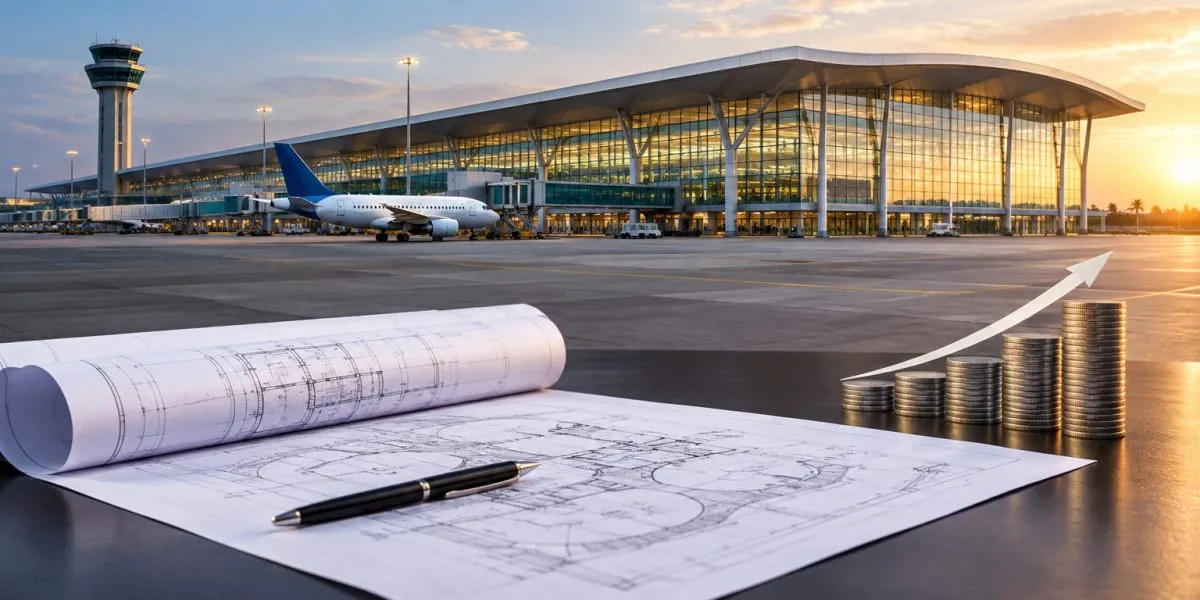
Thiruvananthapuram International Airport, managed by Adani Airports, will undergo a Rs. 25 bn terminal expansion under Project Anantha. The project is intended to increase international passenger-handling capacity and improve operational efficiency at the Kerala airport. The groundbreaking ceremony is scheduled for October 15, coinciding with the airport completing five years under its current management. The development will cover approximately 92,552 square metres and raise annual international passenger capacity from 3.5 mn to around 11.5 mn. Project Anantha forms part of a wider transforma..
Next Story
Infrastructure Transport

PM Modi Inaugurates Leh Airport Terminal Costing Rs. 6.4 bn

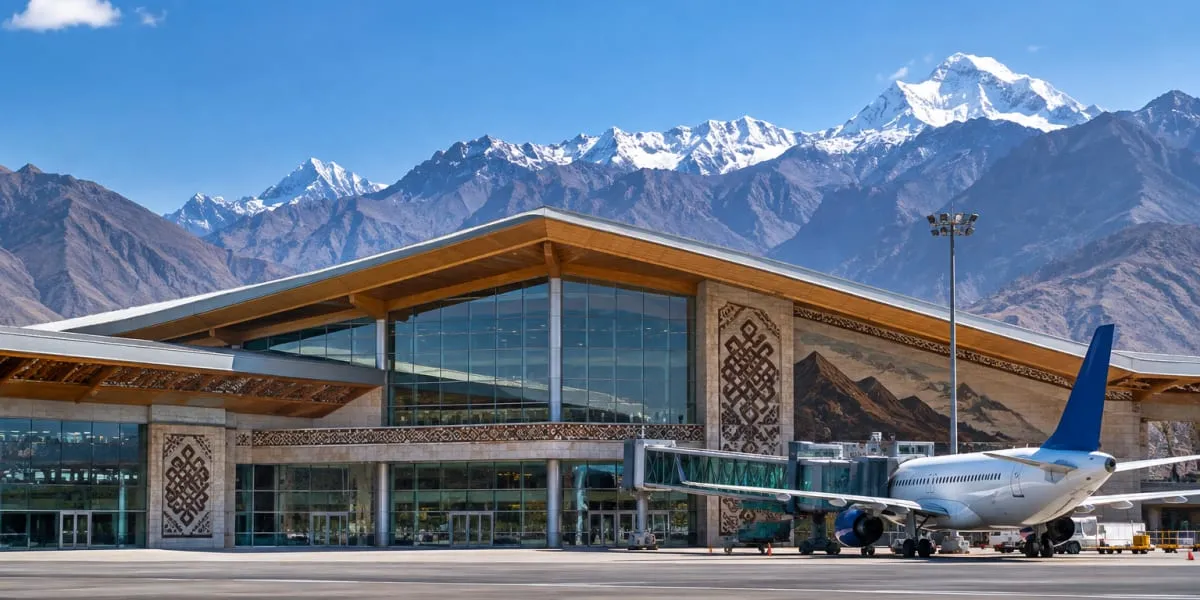
Prime Minister Narendra Modi inaugurated the new passenger terminal at Leh Airport on October 15, 2026, adding capacity at one of the world’s highest commercial airports. The facility, built at a cost of Rs. 6.4 bn, has been designed to handle 3.5 mn passengers annually and support rising air travel demand in Ladakh. The terminal covers 23,810 square metres and combines modern airport infrastructure with design elements inspired by Ladakh’s local art and cultural heritage. A video shared by Union Civil Aviation Minister Ram Mohan Naidu Kinjarapu showed the check-in area, airline counters, ..
Next Story
Infrastructure Transport

Kerala Examines Land Acquisition for Kannur Airport Expansion

The Kerala government is examining the land acquisition process for the proposed expansion of Kannur International Airport and plans to take an early decision on difficulties faced by affected families, Chief Minister V D Satheesan told the state Assembly on Thursday. He was responding to a submission by MLA T K Govindan. The proposed project involves extending the airport runway from 3,050 metres to 4,000 metres. The government granted administrative sanction on December 27, 2016, to acquire 99.92 hectares, but the process remains incomplete despite a notification issued in 2017. The governme..

Advertisement

Subscribe to Our Newsletter

Get daily newsletters around different themes from Construction world.

STAY CONNECTED

Advertisement

SPECIAL OFFER
QR Code