+
Hindustan Zinc Restores 1,105 Hectares of Land
POWER & RENEWABLE ENERGY

Hindustan Zinc Restores 1,105 Hectares of Land

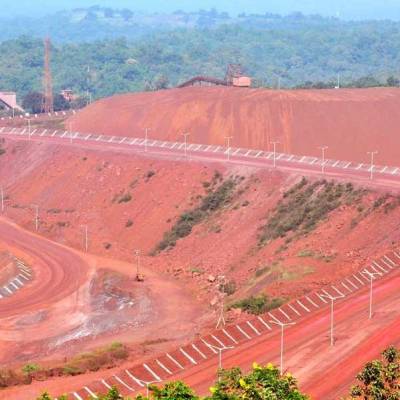
Hindustan Zinc Limited has restored 1,105 hectares of land as part of its efforts to integrate ecological restoration with responsible mining. The rehabilitated area, equivalent to more than 1,500 football fields, covers mining and operational landscapes restored through reclamation, plantation, biodiversity enhancement and sustainable land-use practices.

The initiatives form part of Hindustan Zinc’s Sustainability Goals 2030 and its broader focus on creating long-term ecological value alongside business growth.

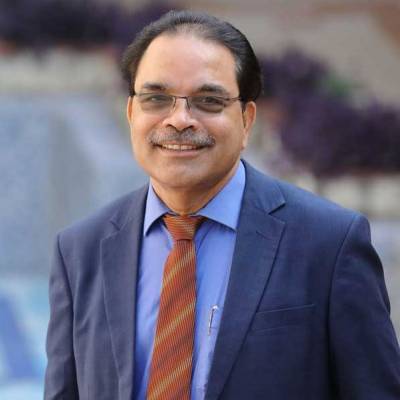
Amarendu Prakash, CEO, Hindustan Zinc, said: “The future of mining will increasingly be defined not only by the resources we produce, but by how responsibly we manage the natural resources entrusted to us. At Hindustan Zinc, rehabilitation, water stewardship and decarbonisation are integral to the way we operate and grow. As we scale our business, our focus is to ensure that growth and environmental responsibility move together, backed by measurable outcomes, technology and long-term action.”

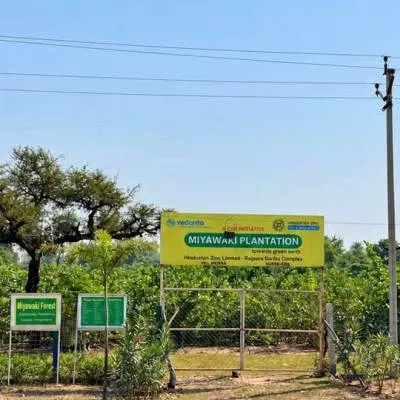
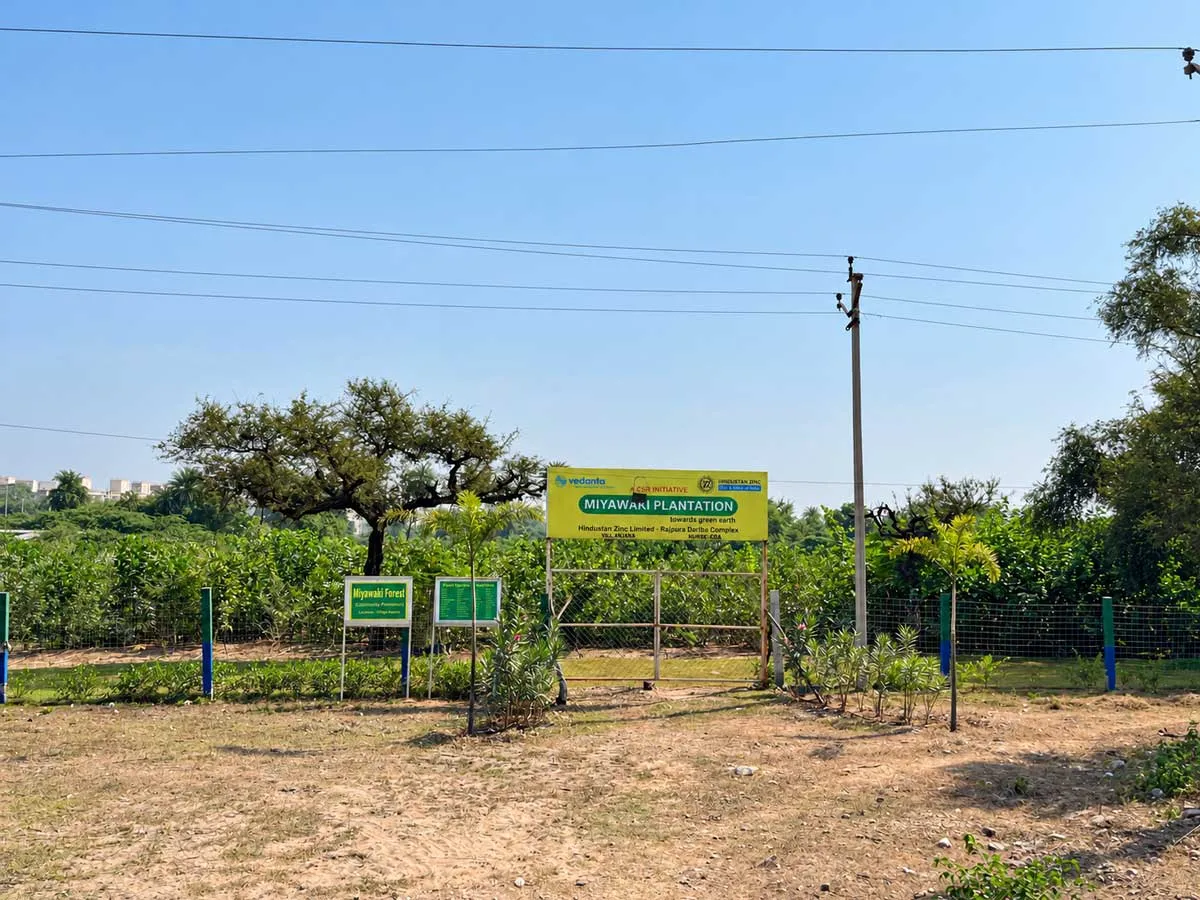
The company has planted 850,000 saplings between 2020 and FY2026, including 114,000 during FY26. It has developed Miyawaki plantations across Rajpura Dariba, Chanderiya, Debari and Kayad, while its Green Zawar initiative extends afforestation and environmental awareness to surrounding communities.

Hindustan Zinc has also partnered with TERI on a 250-hectare ecological restoration project, which includes rehabilitation of a 22.5-hectare Jarofix yard and natural forest development at its Chanderiya Lead-Zinc Smelter Complex in Rajasthan.

Water stewardship is another component of the company’s sustainability strategy. Hindustan Zinc is certified as a 3.32x Water Positive organisation, improving from 2.41x, and follows Zero Liquid Discharge practices across its operations. More than 30 per cent of its water requirement is met through treated sewage.

Under its Sustainability Goals 2030, the company aims to reduce freshwater consumption by 50 per cent from its 2020 baseline and source 100 per cent low-quality water for its smelting operations.

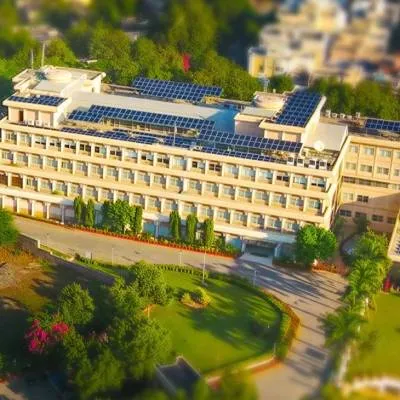
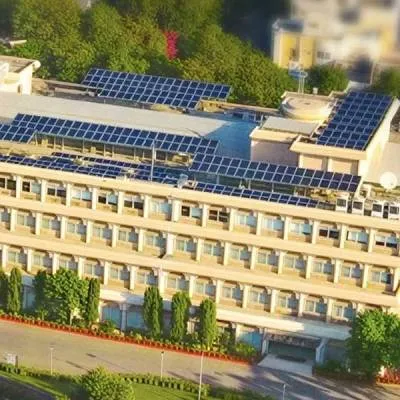
Hindustan Zinc is also expanding renewable energy use across its operations. Renewable power accounted for around 18 per cent of its power mix in FY26, with the company targeting 70 per cent by FY28, supported by a 530 MW renewable Power Delivery Agreement.

Its climate roadmap includes Science Based Targets initiative-approved targets to reduce Scope 1 and 2 emissions by 50 per cent and Scope 3 emissions by 25 per cent by 2030, compared with a 2020 baseline. The company is targeting Net Zero emissions by 2050 or sooner.

Hindustan Zinc has also launched EcoZen, which it describes as Asia’s first low-carbon zinc, with a 75 per cent lower carbon footprint compared with the global average.

A Vedanta Group company, Hindustan Zinc has been ranked as the world’s most sustainable metals and mining company in the S&P Global Corporate Sustainability Assessment for three consecutive years. It is also the first Indian company to join the International Council on Mining and Metals.

Hindustan Zinc Limited has restored 1,105 hectares of land as part of its efforts to integrate ecological restoration with responsible mining. The rehabilitated area, equivalent to more than 1,500 football fields, covers mining and operational landscapes restored through reclamation, plantation, biodiversity enhancement and sustainable land-use practices.The initiatives form part of Hindustan Zinc’s Sustainability Goals 2030 and its broader focus on creating long-term ecological value alongside business growth.Amarendu Prakash, CEO, Hindustan Zinc, said: “The future of mining will increasingly be defined not only by the resources we produce, but by how responsibly we manage the natural resources entrusted to us. At Hindustan Zinc, rehabilitation, water stewardship and decarbonisation are integral to the way we operate and grow. As we scale our business, our focus is to ensure that growth and environmental responsibility move together, backed by measurable outcomes, technology and long-term action.”The company has planted 850,000 saplings between 2020 and FY2026, including 114,000 during FY26. It has developed Miyawaki plantations across Rajpura Dariba, Chanderiya, Debari and Kayad, while its Green Zawar initiative extends afforestation and environmental awareness to surrounding communities.Hindustan Zinc has also partnered with TERI on a 250-hectare ecological restoration project, which includes rehabilitation of a 22.5-hectare Jarofix yard and natural forest development at its Chanderiya Lead-Zinc Smelter Complex in Rajasthan.Water stewardship is another component of the company’s sustainability strategy. Hindustan Zinc is certified as a 3.32x Water Positive organisation, improving from 2.41x, and follows Zero Liquid Discharge practices across its operations. More than 30 per cent of its water requirement is met through treated sewage.Under its Sustainability Goals 2030, the company aims to reduce freshwater consumption by 50 per cent from its 2020 baseline and source 100 per cent low-quality water for its smelting operations.Hindustan Zinc is also expanding renewable energy use across its operations. Renewable power accounted for around 18 per cent of its power mix in FY26, with the company targeting 70 per cent by FY28, supported by a 530 MW renewable Power Delivery Agreement.Its climate roadmap includes Science Based Targets initiative-approved targets to reduce Scope 1 and 2 emissions by 50 per cent and Scope 3 emissions by 25 per cent by 2030, compared with a 2020 baseline. The company is targeting Net Zero emissions by 2050 or sooner.Hindustan Zinc has also launched EcoZen, which it describes as Asia’s first low-carbon zinc, with a 75 per cent lower carbon footprint compared with the global average.A Vedanta Group company, Hindustan Zinc has been ranked as the world’s most sustainable metals and mining company in the S&P Global Corporate Sustainability Assessment for three consecutive years. It is also the first Indian company to join the International Council on Mining and Metals.

Related Stories

Gold Stories

Next Story
Infrastructure Transport

Madhya Pradesh Plans Airport Every 150 Km, Airstrip Every 75 Km

The Madhya Pradesh government plans to establish an airport every 150 km, an airstrip every 75 km and a helipad every 45 km, according to the state aviation department. Airports being developed in Ujjain and Shivpuri are expected to take the state’s airport count to 10. The government stated that Madhya Pradesh currently has eight airports in eight cities. The locations named by the department include Indore, Bhopal, Jabalpur, Gwalior, Khajuraho, Rewa and Satna. The state also has more than 20 airstrips and 220 helipads, while permanent helipads are planned in all 230 Assembly constituencies..

Next Story
Infrastructure Transport

West Bengal Plans Four Airports for 2028 Completion Under UDAN

West Bengal will develop four new airports under an agreement signed between the Union Civil Aviation Ministry and the state government, with all facilities targeted for completion by 2028. Union Civil Aviation Minister K Rammohan Naidu said the airports would be located at Charra in Purulia, Kalaikunda in Paschim Medinipur, Balurghat in Dakshin Dinajpur and Hasimara in Alipurduar. The project is part of the Centre’s regional connectivity UDAN programme. The Union government has committed Rs. 290 bn for West Bengal’s aviation sector over the next decade, while the state government will pro..

Next Story
Infrastructure Transport

Mumbai Airport Bars Russian Airlines as Agent Seeks Ministry Intervention

Mumbai airport has stopped accepting cargo booked on Russian flag carrier Aeroflot, disrupting shipments and prompting the airline’s cargo sales agent, Delmos Aviation, to seek intervention from the Ministry of Civil Aviation. The restrictions also affect cargo booked on Volga-Dnepr Airlines, according to a letter submitted by Delmos Aviation to the ministry on September 30. Aeroflot operates daily flights between Moscow and Delhi and runs a winter seasonal service to Goa. Bonded cargo from Mumbai and other cities is transported by road to Delhi before being flown to Russia. The agent said t..

Advertisement

Subscribe to Our Newsletter

Get daily newsletters around different themes from Construction world.

STAY CONNECTED

Advertisement

SPECIAL OFFER
QR Code