Hitachi Energy CEO Warns Power Equipment Demand Outpaces Supply
POWER & RENEWABLE ENERGY

Hitachi Energy CEO Warns Power Equipment Demand Outpaces Supply

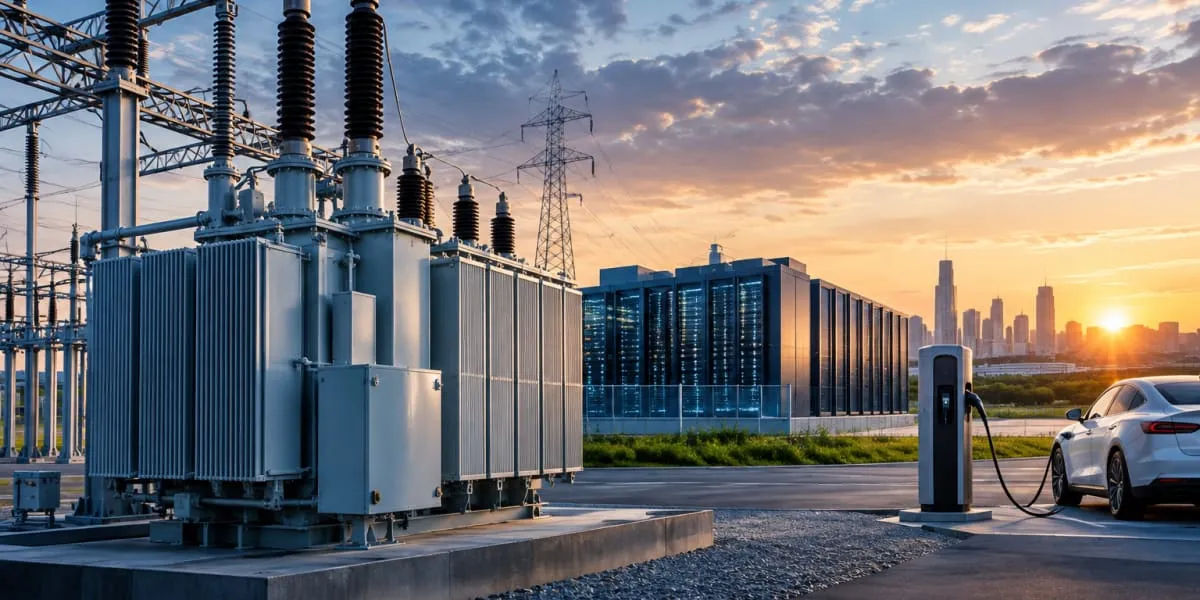
Hitachi Energy is struggling to keep pace with rising demand for electricity infrastructure, as artificial intelligence, electric vehicles and data centres increase pressure on power equipment suppliers. Global CEO Andreas Schierenbeck said the industry needs better visibility into future orders and closer customer partnerships to expand manufacturing capacity more quickly.

The company is investing more than $9 bn globally to increase production, while expanding existing sites and building new facilities. However, manufacturing plants can take around three to four years to establish, creating a significant gap between rising demand and available supply.

Data centres can be built in about two years, while grid expansion plans can span 10 to 15 years and individual projects can take five to six years to complete. These differing timelines limit manufacturers’ ability to respond rapidly when electricity demand increases, according to Schierenbeck.

He said the industry’s traditional transactional model needs to shift towards long-term planning, framework agreements and advance capacity reservations. Greater certainty about future orders would give manufacturers stronger business cases for committing hundreds of millions of dollars to new factories and would help reassure shareholders about the required investment.

Specialised machinery shortages, including equipment used to manufacture transformers, are also limiting production. Geopolitical disruptions and supply chain problems may raise costs, while stronger demand visibility and political support could help manufacturers accelerate investment. Schierenbeck said data centres that previously required 20 to 40 MW may now need two, four or even 5 GW. US data centre electricity demand could reach 80 to 100 GW, equivalent to the output of 80 to 100 power plants. AI could double data centre energy consumption in the US and potentially worldwide, while industrial electrification and electric vehicles will add to the need for expanded grids.

Hitachi Energy is struggling to keep pace with rising demand for electricity infrastructure, as artificial intelligence, electric vehicles and data centres increase pressure on power equipment suppliers. Global CEO Andreas Schierenbeck said the industry needs better visibility into future orders and closer customer partnerships to expand manufacturing capacity more quickly. The company is investing more than $9 bn globally to increase production, while expanding existing sites and building new facilities. However, manufacturing plants can take around three to four years to establish, creating a significant gap between rising demand and available supply. Data centres can be built in about two years, while grid expansion plans can span 10 to 15 years and individual projects can take five to six years to complete. These differing timelines limit manufacturers’ ability to respond rapidly when electricity demand increases, according to Schierenbeck. He said the industry’s traditional transactional model needs to shift towards long-term planning, framework agreements and advance capacity reservations. Greater certainty about future orders would give manufacturers stronger business cases for committing hundreds of millions of dollars to new factories and would help reassure shareholders about the required investment. Specialised machinery shortages, including equipment used to manufacture transformers, are also limiting production. Geopolitical disruptions and supply chain problems may raise costs, while stronger demand visibility and political support could help manufacturers accelerate investment. Schierenbeck said data centres that previously required 20 to 40 MW may now need two, four or even 5 GW. US data centre electricity demand could reach 80 to 100 GW, equivalent to the output of 80 to 100 power plants. AI could double data centre energy consumption in the US and potentially worldwide, while industrial electrification and electric vehicles will add to the need for expanded grids.

Related Stories

Gold Stories

Next Story
Real Estate

IGBC Green Building Congress 2026 advances India’s net-zero agenda

The Indian Green Building Council (IGBC), part of the Confederation of Indian Industry (CII), opened the 24th edition of the Green Building Congress 2026 at the Jio World Convention Centre, Mumbai, with a focus on accelerating India's green and net-zero building movement. The three-day event, being held from 26 to 28 November, brought together policymakers, industry leaders and sustainability experts to discuss green buildings, climate-resilient infrastructure and sustainable communities.A key highlight of the inaugural session was the launch of five pilot rating systems: Green Retail, DigiBui..
Next Story
Real Estate

Maharashtra CM inaugurates fifth Model Sub-Registrar Office in Mumbai

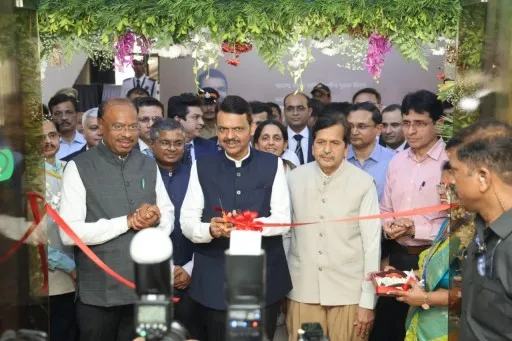
Maharashtra Chief Minister Devendra Fadnavis has inaugurated a Model Sub-Registrar Office (SRO) in Lower Parel, Mumbai, taking the number of such centres launched in the state to five. The initiative aims to modernise property registration services through technology-enabled infrastructure and citizen-centric processes.Developed by the Government of Maharashtra in association with VFS Global and WE Excel Software, the Lower Parel centre follows the launch of Model SROs in Pune, Bandra Kurla Complex in Mumbai, Navi Mumbai and Nagpur.The centres provide facilities for registering property-relate..

Next Story
Infrastructure Transport

NHBF hails Indian Army aircraft operations on Amritsar–Jamnagar corridor

The National Highways Builders Federation (NHBF) has welcomed the successful landing and take-off of four Indian Army microlight aircraft on the Amritsar–Jamnagar Economic Corridor (NH-754K) in Gujarat. The exercise demonstrated the potential of highway infrastructure to support defence operations and emergency response. The expressway was developed by CDS Infra Projects, an NHBF member company.Developed under the Bharatmala Pariyojana, the six-lane greenfield corridor is described as India's second-longest expressway. The operation was conducted by the Indian Army's Team Mountain Eagles as ..

Subscribe to Our Newsletter

Get daily newsletters around different themes from Construction world.

STAY CONNECTED

Advertisement

SPECIAL OFFER
QR Code