Karnataka targets 30 GW renewable energy capacity addition by 2031
POWER & RENEWABLE ENERGY

Karnataka targets 30 GW renewable energy capacity addition by 2031

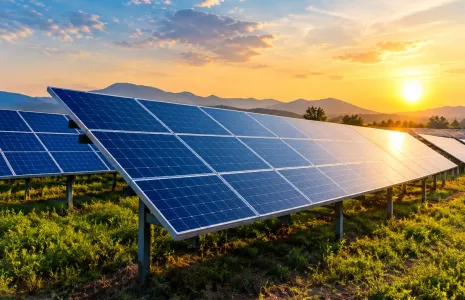
Karnataka has invited investors, renewable energy developers and global industry leaders to explore opportunities in its clean energy sector, outlining plans to add nearly 30 GW of renewable energy capacity over the next five years. The State showcased its renewable energy potential, policies and investment ecosystem at the Bharat Renewable Energy Summit & Expo 2026, held at Bharat Mandapam in New Delhi, where it participated as a State Partner.

Gaurav Gupta, Additional Chief Secretary, Energy Department, Government of Karnataka, said the State offered investment opportunities backed by wind and solar resources, investor-friendly policies, automatic land conversion and plug-and-play infrastructure. He cited the Pavagada Solar Park's 30-year land lease agreement with farmers as an example of Karnataka's approach to renewable energy development.

Karnataka's renewable energy capacity has increased from 16 GW in 2022 to 23 GW, according to Gupta. The State aims to add 5-7 GW annually over the next five years. It also led the country in wind capacity addition during 2024-25, with 1,331 MW.

Focus on storage and grid infrastructure

Looking towards 2035, Karnataka's Resource Adequacy Plan envisages adding 41.5 GW of new wind and solar capacity and approximately 11,000 MWh of battery energy storage by 2034-35. Projects under development include a 250 MW solar project with 1,100 MWh of storage at Ryapte, standalone battery storage projects and a pipeline of renewable energy projects across Karnataka Power Transmission Corporation (KPTCL) substations.

The State is also focusing on farmer participation through PM-KUSUM, alongside green hydrogen, bioenergy, skill development and clean energy entrepreneurship.

Divya Prabhu GRJ, Managing Director, Karnataka Renewable Energy Development Limited (KREDL), said the State had an installed renewable energy capacity of around 27 GW, accounting for nearly 67 per cent of its total installed power capacity. KREDL is also supporting capacity building and skills development through initiatives such as Surya Mitra and Vayumitra, technology advancement, incubation centres and industry-academia collaborations with institutions including the University of New South Wales, IISc and IIMB.

On transmission infrastructure, she said KPTCL had identified 27 dedicated substations for renewable energy projects to facilitate connectivity.

Industry engagement and policy development

A plenary session titled ‘The Karnataka Advantage in Renewable Energy’ highlighted investment opportunities across renewable energy, manufacturing, technology, energy storage and industry-academia partnerships. Discussions covered the State's Pavagada land-lease model, automatic land conversion, project allocation processes and transmission infrastructure.

Gupta and Prabhu also participated in a panel discussion on repowering wind turbines, which examined the potential to improve generation efficiency at ageing wind energy sites through advanced technologies.

A separate industry roundtable brought together renewable energy developers, manufacturers and other stakeholders to discuss Karnataka's clean energy roadmap and government support mechanisms. Industry inputs were sought for the State's forthcoming Renewable Energy Policy, as the existing policy approaches its conclusion in May 2027.

The Karnataka pavilion, established by KREDL, showcased the State's energy history and renewable energy initiatives. It drew on the architectural design of Mysore Palace and highlighted Karnataka's early electricity milestones, including the Shivanasamudra hydroelectric power project and the introduction of electric street lighting in Bengaluru in 1905.

K J George, Minister for Energy, Government of Karnataka, invited investors and global stakeholders to explore opportunities in the State's renewable energy sector.

Karnataka has invited investors, renewable energy developers and global industry leaders to explore opportunities in its clean energy sector, outlining plans to add nearly 30 GW of renewable energy capacity over the next five years. The State showcased its renewable energy potential, policies and investment ecosystem at the Bharat Renewable Energy Summit & Expo 2026, held at Bharat Mandapam in New Delhi, where it participated as a State Partner.Gaurav Gupta, Additional Chief Secretary, Energy Department, Government of Karnataka, said the State offered investment opportunities backed by wind and solar resources, investor-friendly policies, automatic land conversion and plug-and-play infrastructure. He cited the Pavagada Solar Park's 30-year land lease agreement with farmers as an example of Karnataka's approach to renewable energy development.Karnataka's renewable energy capacity has increased from 16 GW in 2022 to 23 GW, according to Gupta. The State aims to add 5-7 GW annually over the next five years. It also led the country in wind capacity addition during 2024-25, with 1,331 MW.Focus on storage and grid infrastructureLooking towards 2035, Karnataka's Resource Adequacy Plan envisages adding 41.5 GW of new wind and solar capacity and approximately 11,000 MWh of battery energy storage by 2034-35. Projects under development include a 250 MW solar project with 1,100 MWh of storage at Ryapte, standalone battery storage projects and a pipeline of renewable energy projects across Karnataka Power Transmission Corporation (KPTCL) substations.The State is also focusing on farmer participation through PM-KUSUM, alongside green hydrogen, bioenergy, skill development and clean energy entrepreneurship.Divya Prabhu GRJ, Managing Director, Karnataka Renewable Energy Development Limited (KREDL), said the State had an installed renewable energy capacity of around 27 GW, accounting for nearly 67 per cent of its total installed power capacity. KREDL is also supporting capacity building and skills development through initiatives such as Surya Mitra and Vayumitra, technology advancement, incubation centres and industry-academia collaborations with institutions including the University of New South Wales, IISc and IIMB.On transmission infrastructure, she said KPTCL had identified 27 dedicated substations for renewable energy projects to facilitate connectivity.Industry engagement and policy developmentA plenary session titled ‘The Karnataka Advantage in Renewable Energy’ highlighted investment opportunities across renewable energy, manufacturing, technology, energy storage and industry-academia partnerships. Discussions covered the State's Pavagada land-lease model, automatic land conversion, project allocation processes and transmission infrastructure.Gupta and Prabhu also participated in a panel discussion on repowering wind turbines, which examined the potential to improve generation efficiency at ageing wind energy sites through advanced technologies.A separate industry roundtable brought together renewable energy developers, manufacturers and other stakeholders to discuss Karnataka's clean energy roadmap and government support mechanisms. Industry inputs were sought for the State's forthcoming Renewable Energy Policy, as the existing policy approaches its conclusion in May 2027.The Karnataka pavilion, established by KREDL, showcased the State's energy history and renewable energy initiatives. It drew on the architectural design of Mysore Palace and highlighted Karnataka's early electricity milestones, including the Shivanasamudra hydroelectric power project and the introduction of electric street lighting in Bengaluru in 1905.K J George, Minister for Energy, Government of Karnataka, invited investors and global stakeholders to explore opportunities in the State's renewable energy sector.

Related Stories

Gold Stories

Next Story
Real Estate

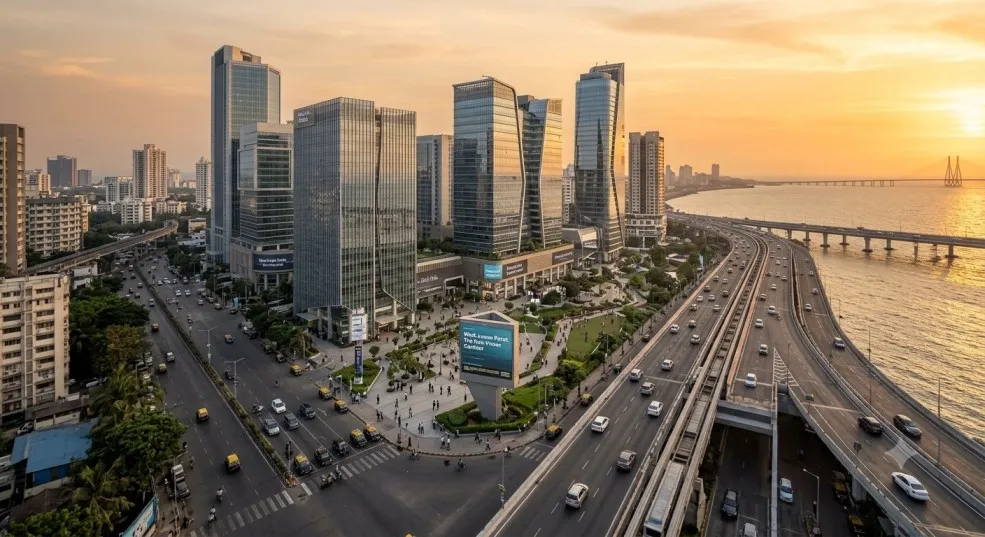
Worli-Lower Parel gains ground as Mumbai’s commercial hub

Mumbai’s Worli-Lower Parel corridor is gaining prominence as a commercial and luxury residential destination, attracting financial institutions, technology companies and high-net-worth individuals. Infrastructure upgrades, including the Coastal Road and improved transit connectivity, are contributing to the shift in occupier interest from established business districts such as Bandra-Kurla Complex (BKC) and Nariman Point.Recent leasing transactions underline the corridor’s growing commercial appeal. At Marathon Futurex in Lower Parel, three financial firms leased a combined 28,976 sq ft at..

Next Story
Infrastructure Transport

Digi Yatra to Be Extended to Chennai International Airport in 2027

Chennai International Airport will extend Digi Yatra services to international passengers from January 2027, following a trial involving IndiGo passengers travelling to Dubai and Colombo. Airport authorities began the trial on November 1, and it is scheduled to continue until December. Digi Yatra has been operating at the airport’s domestic terminal for the past two years. The system is intended to speed up passenger processing and reduce delays by enabling travellers to use a digital identity instead of repeatedly presenting paper documents at designated checkpoints. The trial will graduall..

Next Story
Infrastructure Transport

Rajasthan Chief Secretary Reviews Kota-Bundi Airport Works

Rajasthan Chief Secretary V. Srinivas reviewed the construction progress of the Kota-Bundi New Greenfield Airport at a meeting held at the Government Secretariat on Thursday. He directed officials from the departments concerned to coordinate closely and ensure that all associated works advance simultaneously to meet the scheduled completion deadline. Srinivas assessed the progress of the project and instructed officials to avoid a sequential approach to construction. The runway, passenger terminal building, Air Traffic Control tower and other supporting infrastructure are to be developed concu..

Advertisement

Subscribe to Our Newsletter

Get daily newsletters around different themes from Construction world.

STAY CONNECTED

Advertisement

SPECIAL OFFER
QR Code