Digital Adoption and Financial Discipline Key to MSME Growth
ECONOMY & POLICY

Digital Adoption and Financial Discipline Key to MSME Growth

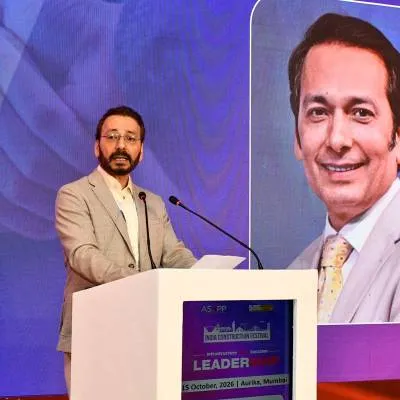
Digital transformation, financial discipline and market-led innovation are emerging as important drivers of growth for India’s micro, small and medium enterprises (MSMEs). The issues were discussed during SIDBI MSME Samwad, an initiative of the Small Industries Development Bank of India (SIDBI), featuring AI and quantum scientist Utpal Chakraborty and entrepreneurship mentor Suresh Mansharamani.

Chakraborty, founder of Gahna AI Lab, said digital transformation required a change in organisational culture rather than simply introducing software or converting physical records. He advised MSMEs to adopt technology progressively, beginning with accounting, billing, inventory management and customer relationship management, while selecting scalable tools aligned with business priorities.

The discussions examined the potential of artificial intelligence, automation and digital public infrastructure such as UPI, Aadhaar and ONDC to improve operations, expand market access and support decision-making. Cybersecurity awareness and data protection were also identified as increasingly important as enterprises become more dependent on digital systems. The experience of women’s apparel brand FableStreet illustrated how data analytics, technology-enabled supply chains and AI-based recommendations can improve customer understanding and operational efficiency.

Mansharamani, co-founder of Tajurba Business Network, stressed the importance of identifying genuine customer problems and validating demand before committing substantial resources. He recommended market research, prototyping, customer feedback and a clear understanding of pricing and profitability before a product or service is launched.

The mentor also highlighted working capital management, cash-flow planning, receivables monitoring, inventory control and cash conversion cycles as essential to business stability. The experience of electric vehicle charging company Statiq demonstrated how adapting business models to market requirements and aligning expansion with suitable financial partnerships can support growth. The discussions concluded that technology adoption, financial preparedness, mentorship, workforce development, cybersecurity and institutional support must advance together to help MSMEs build resilient and sustainable enterprises.

Digital transformation, financial discipline and market-led innovation are emerging as important drivers of growth for India’s micro, small and medium enterprises (MSMEs). The issues were discussed during SIDBI MSME Samwad, an initiative of the Small Industries Development Bank of India (SIDBI), featuring AI and quantum scientist Utpal Chakraborty and entrepreneurship mentor Suresh Mansharamani. Chakraborty, founder of Gahna AI Lab, said digital transformation required a change in organisational culture rather than simply introducing software or converting physical records. He advised MSMEs to adopt technology progressively, beginning with accounting, billing, inventory management and customer relationship management, while selecting scalable tools aligned with business priorities. The discussions examined the potential of artificial intelligence, automation and digital public infrastructure such as UPI, Aadhaar and ONDC to improve operations, expand market access and support decision-making. Cybersecurity awareness and data protection were also identified as increasingly important as enterprises become more dependent on digital systems. The experience of women’s apparel brand FableStreet illustrated how data analytics, technology-enabled supply chains and AI-based recommendations can improve customer understanding and operational efficiency. Mansharamani, co-founder of Tajurba Business Network, stressed the importance of identifying genuine customer problems and validating demand before committing substantial resources. He recommended market research, prototyping, customer feedback and a clear understanding of pricing and profitability before a product or service is launched. The mentor also highlighted working capital management, cash-flow planning, receivables monitoring, inventory control and cash conversion cycles as essential to business stability. The experience of electric vehicle charging company Statiq demonstrated how adapting business models to market requirements and aligning expansion with suitable financial partnerships can support growth. The discussions concluded that technology adoption, financial preparedness, mentorship, workforce development, cybersecurity and institutional support must advance together to help MSMEs build resilient and sustainable enterprises.

Related Stories

Gold Stories

Next Story
Equipment

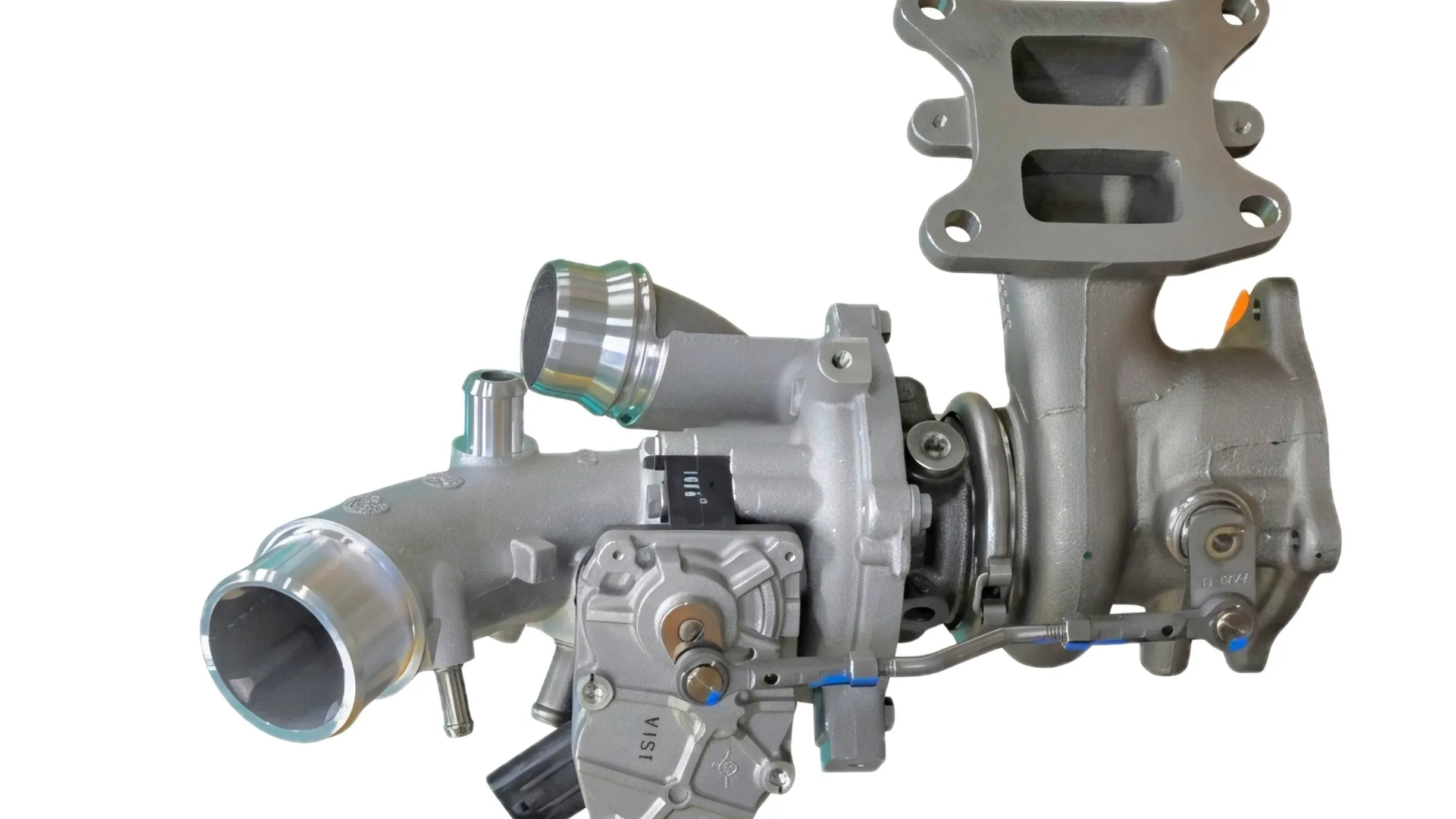
BorgWarner secures three turbocharger contracts with global powertrain leader

BorgWarner has secured three new turbocharger contracts with a global powertrain technology company. The wins comprise one contract for its variable turbine geometry (VTG) turbocharger and two for its wastegate turbocharger. The technologies will be deployed in the customer's light-vehicle gasoline platforms in South America and Europe, with production scheduled to begin in 2027.The VTG turbochargers are designed for gasoline engines operating under demanding conditions and high-boost pressure requirements. They are engineered to support Miller-cycle engines and withstand exhaust temperatures ..
Next Story
Infrastructure Transport

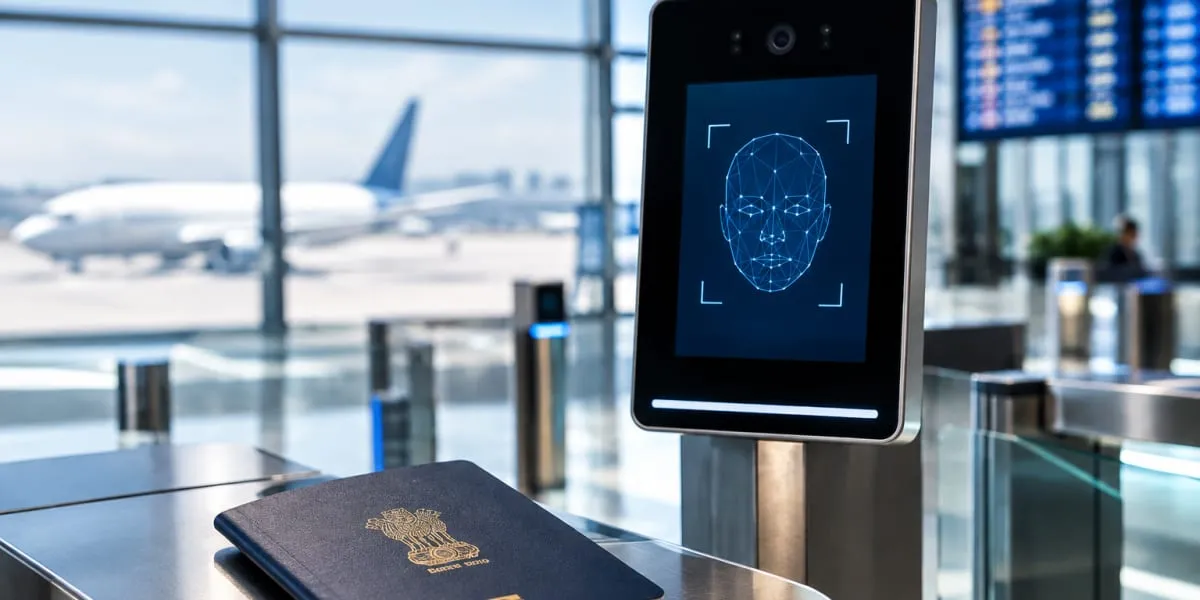
International Digi Yatra Trials Begin at Seven Airports

India has begun trials of Digi Yatra for international passengers at seven airports, allowing eligible Indian passport holders to use facial recognition at selected airport checkpoints. The facility is currently limited to Indian nationals with e-passports travelling on selected international flights operated by Air India and IndiGo. The Civil Aviation Ministry announced the trials on 1 November, with testing scheduled through December 2026. A wider rollout is expected in 2027 after the ministry assesses passenger feedback gathered during the trial period, according to PTI. The system is inten..

Next Story
Infrastructure Transport

Air India Plans More Wide-Body Jets, CEO Signals Profitability Soon

Air India is seeking to expand its order for wide-body aircraft as it works to increase international passenger traffic, chief executive Tewolde Gebremariam said on Tuesday. The Tata Group-owned carrier is also targeting a return to profitability in the near term, as its turnaround programme addresses fleet, network and service challenges. The comments came months after Gebremariam took charge of the airline. Gebremariam, who previously led Ethiopian Airlines, said the airline wanted more wide-body aircraft. Air India has held discussions with Boeing and Airbus while assessing the economics of..

Advertisement

Subscribe to Our Newsletter

Get daily newsletters around different themes from Construction world.

STAY CONNECTED

Advertisement

SPECIAL OFFER
QR Code