Union Budget must aim to boost domestic stainless steel manufacturing: ISSDA
Steel

Union Budget must aim to boost domestic stainless steel manufacturing: ISSDA

In order to augment domestic manufacturing, the domestic stainless steel industry body, Indian Stainless Steel Development Association (ISSDA), has recommended some curative measures to the government ahead of the Union budget 2020. In its recommendation submitted to the Ministry of Finance, ISSDA has sought nil duty on import of key raw materials, including ferro-nickel and stainless steel scrap, which are not available in the country and must be imported. The association has further suggested a simultaneous imposition of 12.5 percent custom duty on stainless steel flat product imports in order to bring it at par with carbon steel. ISSDA has also sought the abolition of 7.5 percent import duty on graphite electrodes as it constitutes a major raw material for stainless steel manufacturing. On the other hand, the association has suggested that a minimum export duty of 20 percent should be imposed on graphite electrodes, thus ensuring priority treatment and availability for domestic customers. These measures are expected to boost domestic stainless steel production and protect Indian manufacturers who are currently facing the dual challenge of excessive dumping by other major stainless steel producing countries like Indonesia, China, and other Free Trade Agreement (FTA) countries, and non-availability of key raw materials in the country.

Asserting the industry demands, KK Pahuja, President, ISSDA, said, “At a time when the government is assessing its trade relations with other countries and trade blocks, it is also necessary to boost domestic manufacturing by reducing high input costs. The Indian stainless steel industry has reached an inflection point where support from the government, for the availability of raw materials at zero duty, will help preserve its competitiveness. We urge the government to not see the duty on raw materials as a revenue source; rather, consider the larger vision of higher manufacturing growth resulting in job creation, a push for the ‘Make in India’ drive, and contribution towards the US$ 5 trillion Indian economy target by 2024.”

The government took a significant decision by withdrawing from the Regional Comprehensive Economic Partnership (RCEP) treaty. However, rampant imports from FTA countries continue to harm the domestic stainless steel industry. The government must proactively review the existing FTAs to ensure a level-playing field for the Indian producers.

In order to augment domestic manufacturing, the domestic stainless steel industry body, Indian Stainless Steel Development Association (ISSDA), has recommended some curative measures to the government ahead of the Union budget 2020. In its recommendation submitted to the Ministry of Finance, ISSDA has sought nil duty on import of key raw materials, including ferro-nickel and stainless steel scrap, which are not available in the country and must be imported. The association has further suggested a simultaneous imposition of 12.5 percent custom duty on stainless steel flat product imports in order to bring it at par with carbon steel. ISSDA has also sought the abolition of 7.5 percent import duty on graphite electrodes as it constitutes a major raw material for stainless steel manufacturing. On the other hand, the association has suggested that a minimum export duty of 20 percent should be imposed on graphite electrodes, thus ensuring priority treatment and availability for domestic customers. These measures are expected to boost domestic stainless steel production and protect Indian manufacturers who are currently facing the dual challenge of excessive dumping by other major stainless steel producing countries like Indonesia, China, and other Free Trade Agreement (FTA) countries, and non-availability of key raw materials in the country. Asserting the industry demands, KK Pahuja, President, ISSDA, said, “At a time when the government is assessing its trade relations with other countries and trade blocks, it is also necessary to boost domestic manufacturing by reducing high input costs. The Indian stainless steel industry has reached an inflection point where support from the government, for the availability of raw materials at zero duty, will help preserve its competitiveness. We urge the government to not see the duty on raw materials as a revenue source; rather, consider the larger vision of higher manufacturing growth resulting in job creation, a push for the ‘Make in India’ drive, and contribution towards the US$ 5 trillion Indian economy target by 2024.” The government took a significant decision by withdrawing from the Regional Comprehensive Economic Partnership (RCEP) treaty. However, rampant imports from FTA countries continue to harm the domestic stainless steel industry. The government must proactively review the existing FTAs to ensure a level-playing field for the Indian producers.

Next Story
Equipment

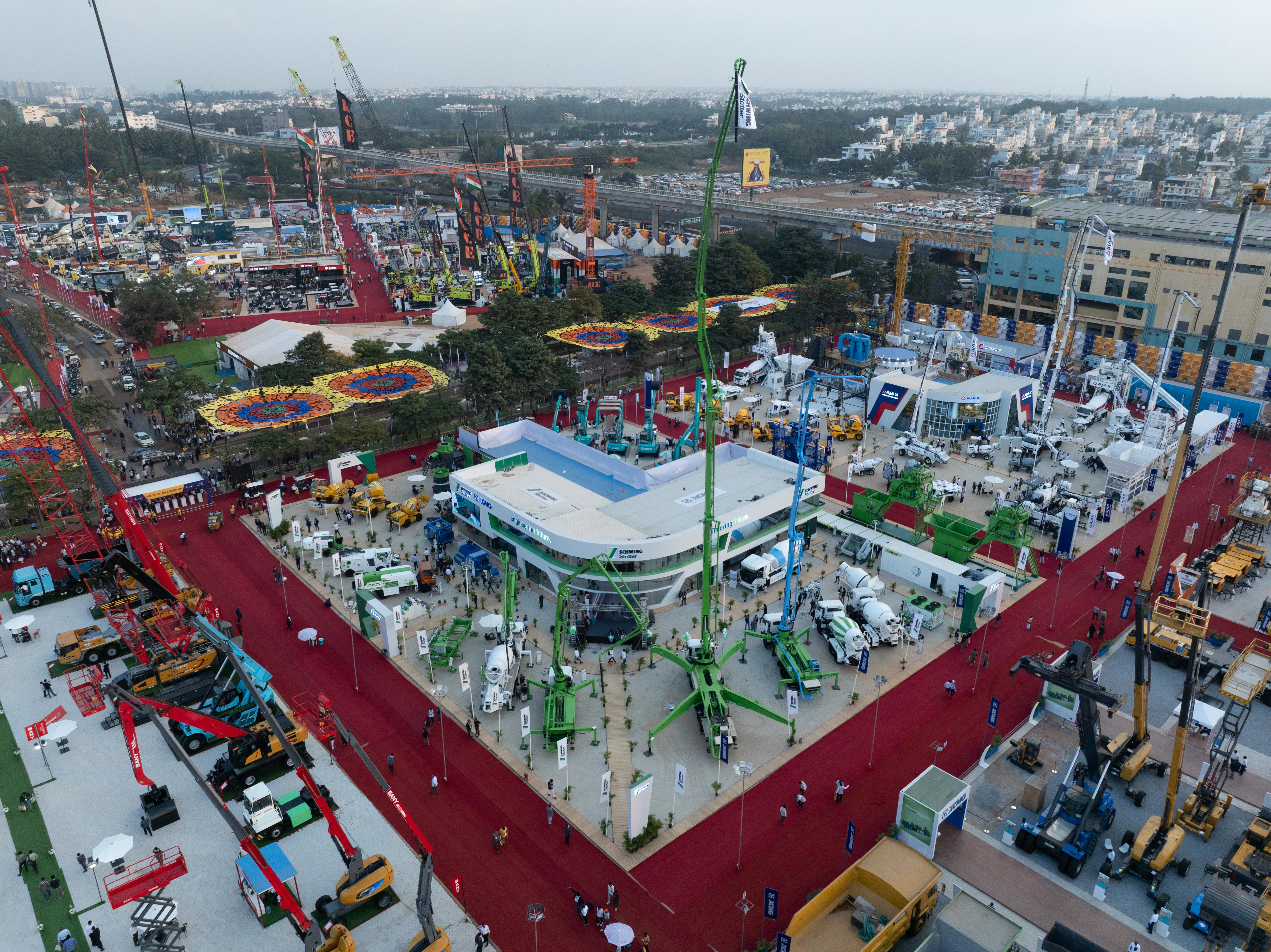
Schwing Stetter India Unveils New Innovations at Excon 2025

Schwing Stetter India unveiled more than 20 new machines at Excon 2025, marking one of its most significant showcases and introducing several India-first technologies to the construction equipment sector. The company launched the country’s first 56-metre boom pump designed and manufactured in India, the first fully electric truck mixer, the first CNG mixer variant and the first hybrid boom pump. Executives said the launch portfolio was engineered to support India’s move toward faster, greener and more vertically oriented infrastructure through advanced engineering, clean-energy solutions a..
Next Story
Infrastructure Energy

SEPC Resolves Hindustan Copper Dispute, Wins Rs 725 Mn Order

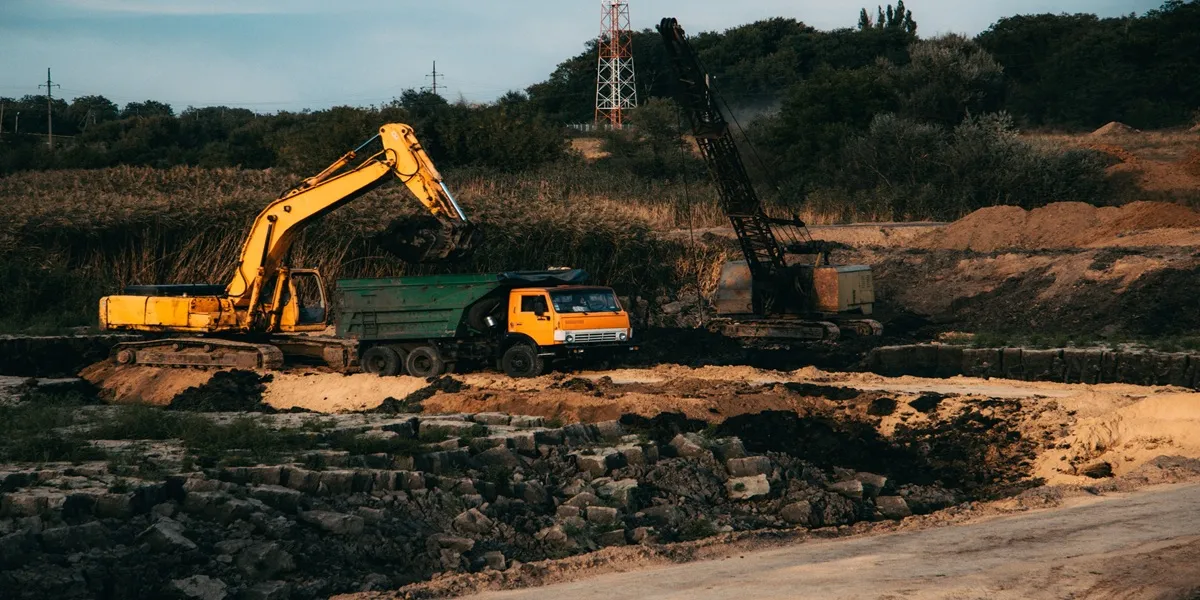
Engineering, procurement and construction firm SEPC Ltd has recently settled a dispute with Hindustan Copper Ltd (HCL) and secured a mining infrastructure order valued at Rs 725 million from the state-owned company. SEPC informed the stock exchanges that it has executed a settlement deed with HCL, bringing closure to all inter-se claims and counterclaims arising from arbitration proceedings. As part of the settlement, SEPC will receive Rs 304.5 million as full and final payment, marking the resolution of all pending disputes between the two entities. The company also stated that Hindustan Co..
Next Story
Infrastructure Energy

20% Ethanol Blending Cuts India’s CO2 Emissions by 73.6 Mn Tonnes

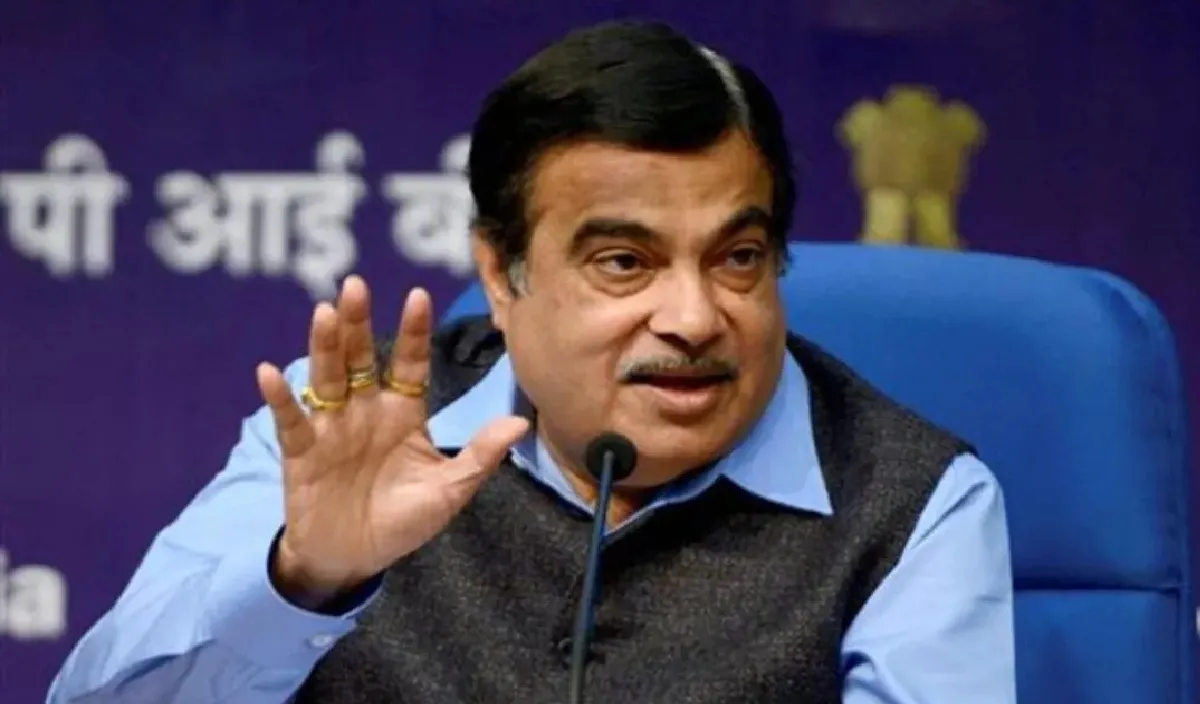
Union Road Transport and Highways Minister Nitin Gadkari recently said that India has reduced carbon dioxide emissions by 73.6 million metric tonnes due to the adoption of 20 per cent ethanol blending in petrol. He made the statement while replying to supplementary questions during the Question Hour in the Lok Sabha. Describing ethanol as a green fuel, the minister said it plays a key role in reducing pollution while also supporting higher incomes for farmers. He underlined that ethanol blending contributes both to environmental sustainability and rural economic growth. Nitin Gadkari also po..

Advertisement

Subscribe to Our Newsletter

Get daily newsletters around different themes from Construction world.

STAY CONNECTED

Advertisement

Advertisement

Advertisement

Advertisement

Open In App