Long-Term Offtake Key to India’s Low-Carbon Steel Push
Steel

Long-Term Offtake Key to India’s Low-Carbon Steel Push

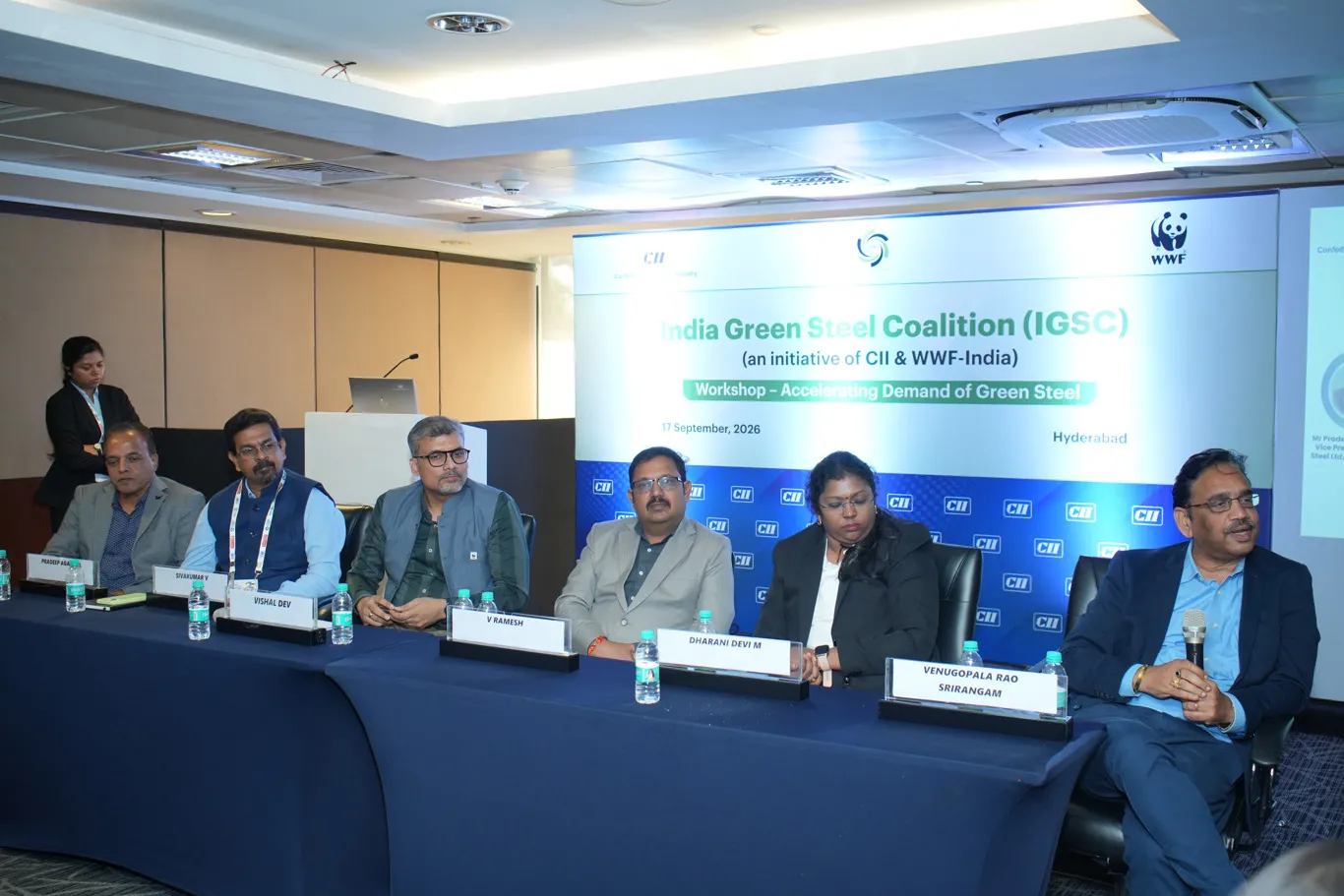
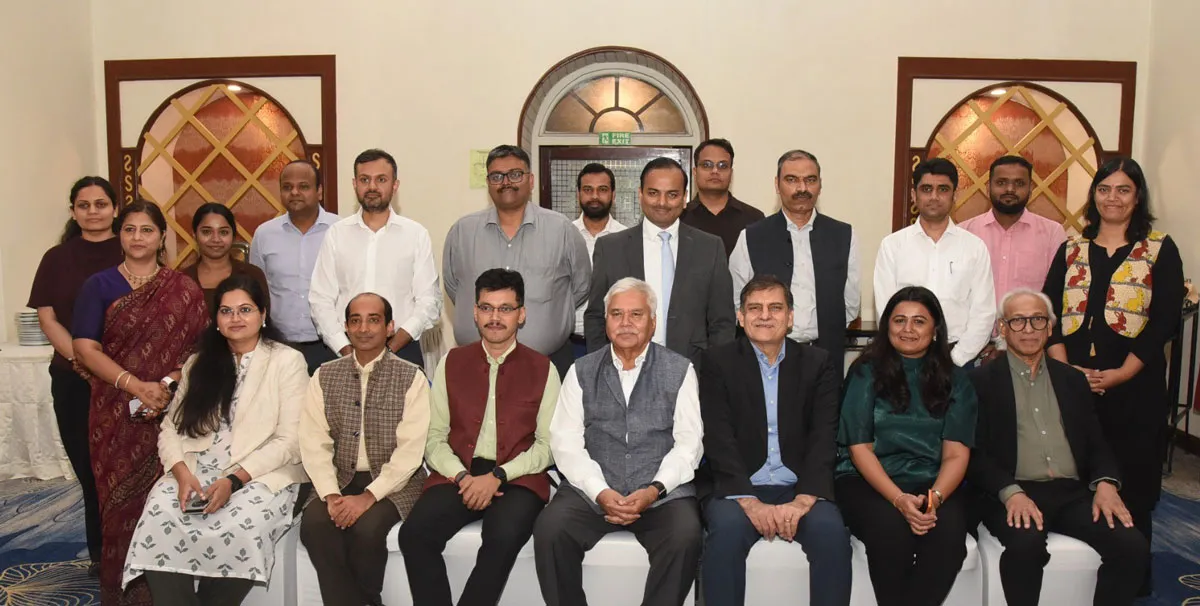
Long-term buyer commitments, clearer pricing mechanisms and stronger producer–buyer linkages recently emerged as key enablers for accelerating demand for low-carbon steel in India at a workshop convened by the India Green Steel Coalition (IGSC) in Hyderabad.

The IGSC, a joint initiative of the Confederation of Indian Industry (CII) and WWF-India, brought together more than 70 representatives from steel producers, large industrial buyers, sustainability professionals and other stakeholders to examine demand-side measures needed to support the development of India’s green steel market.

Members of the Coalition represent around 70 per cent of India’s crude steel production.

The workshop, themed “Driving the Transition to Low-Carbon Steel in India”, focused on commercial, technological and operational factors that could influence the pace of the country’s steel transition. Discussions covered long-term procurement and offtake commitments, green steel pricing and premiums, technology adoption, access to clean energy and investment requirements.

Participants examined how greater demand certainty and transparent commercial frameworks could strengthen producer–buyer relationships, provide clearer market signals and build confidence for investments in low-carbon steelmaking.

During a session on “Navigating Low-Carbon Steel Making, Clean Energy & Investment Challenges”, Gargi Mohanty, Senior Manager, Corporate Sustainability, Tata Steel Limited, highlighted the need to develop a collaborative steel ecosystem. She noted India’s position as the world’s second-largest steel producer and consumer.

Mohanty also highlighted India’s Green Steel Taxonomy, introduced in 2024 and based on carbon emission intensity during the steel production process. The framework uses a star-rating system to categorise green steel according to defined carbon emission intensity thresholds.

She outlined 14 levels of the green transition and discussed the sector-wise potential for green steel, emphasising the need for collective action from producers and consumers to accelerate adoption.

The demand-side perspective was discussed in a session titled “Driving Green Demand, Navigating Premiums & Securing Supply”, led by Amrit Sahu, Category Lead, Sourcing & Procurement, Blue Star Limited.

The discussion highlighted challenges faced by buyers in incorporating low-carbon steel into procurement strategies, particularly around green premiums, availability, quality and supply reliability.

Sahu outlined three key expectations from green steel producers — verified carbon data, predictable pricing and assured supply. Steel producers that provide credible carbon data, clear price bands and visibility on capacity could be better positioned to secure long-term buyer commitments.

He also highlighted the need for greater clarity and predictability around green steel premiums to help OEMs plan procurement and make informed purchasing decisions.

A fireside chat on “Aligning Production, Buyer Commitments & Market Pricing” brought together representatives from My Home Constructions, RMI Energy Solutions India Foundation, JSW Steel, L&T, Kirloskar Brothers and Ford Motor Company.

Moderated by Vishal Dev, Director, Sustainable Business, WWF-India, the discussion examined how stronger buyer commitments could provide greater market certainty for producers, while transparent pricing and premium mechanisms could support procurement decisions.

The workshop also underlined the importance of aligning steel production with evolving market demand. Discussions focused on strengthening links between production planning and customer requirements while improving clarity around the availability, pricing and performance of low-carbon steel.

The event concluded with emphasis on sustained collaboration across the value chain. Steel producers, buyers, policymakers, financial institutions and technology providers will need to work together to address commercial, technological and institutional barriers to scaling low-carbon steel in India.

Long-term buyer commitments, clearer pricing mechanisms and stronger producer–buyer linkages recently emerged as key enablers for accelerating demand for low-carbon steel in India at a workshop convened by the India Green Steel Coalition (IGSC) in Hyderabad.The IGSC, a joint initiative of the Confederation of Indian Industry (CII) and WWF-India, brought together more than 70 representatives from steel producers, large industrial buyers, sustainability professionals and other stakeholders to examine demand-side measures needed to support the development of India’s green steel market.Members of the Coalition represent around 70 per cent of India’s crude steel production.The workshop, themed “Driving the Transition to Low-Carbon Steel in India”, focused on commercial, technological and operational factors that could influence the pace of the country’s steel transition. Discussions covered long-term procurement and offtake commitments, green steel pricing and premiums, technology adoption, access to clean energy and investment requirements.Participants examined how greater demand certainty and transparent commercial frameworks could strengthen producer–buyer relationships, provide clearer market signals and build confidence for investments in low-carbon steelmaking.During a session on “Navigating Low-Carbon Steel Making, Clean Energy & Investment Challenges”, Gargi Mohanty, Senior Manager, Corporate Sustainability, Tata Steel Limited, highlighted the need to develop a collaborative steel ecosystem. She noted India’s position as the world’s second-largest steel producer and consumer.Mohanty also highlighted India’s Green Steel Taxonomy, introduced in 2024 and based on carbon emission intensity during the steel production process. The framework uses a star-rating system to categorise green steel according to defined carbon emission intensity thresholds.She outlined 14 levels of the green transition and discussed the sector-wise potential for green steel, emphasising the need for collective action from producers and consumers to accelerate adoption.The demand-side perspective was discussed in a session titled “Driving Green Demand, Navigating Premiums & Securing Supply”, led by Amrit Sahu, Category Lead, Sourcing & Procurement, Blue Star Limited.The discussion highlighted challenges faced by buyers in incorporating low-carbon steel into procurement strategies, particularly around green premiums, availability, quality and supply reliability.Sahu outlined three key expectations from green steel producers — verified carbon data, predictable pricing and assured supply. Steel producers that provide credible carbon data, clear price bands and visibility on capacity could be better positioned to secure long-term buyer commitments.He also highlighted the need for greater clarity and predictability around green steel premiums to help OEMs plan procurement and make informed purchasing decisions.A fireside chat on “Aligning Production, Buyer Commitments & Market Pricing” brought together representatives from My Home Constructions, RMI Energy Solutions India Foundation, JSW Steel, L&T, Kirloskar Brothers and Ford Motor Company.Moderated by Vishal Dev, Director, Sustainable Business, WWF-India, the discussion examined how stronger buyer commitments could provide greater market certainty for producers, while transparent pricing and premium mechanisms could support procurement decisions.The workshop also underlined the importance of aligning steel production with evolving market demand. Discussions focused on strengthening links between production planning and customer requirements while improving clarity around the availability, pricing and performance of low-carbon steel.The event concluded with emphasis on sustained collaboration across the value chain. Steel producers, buyers, policymakers, financial institutions and technology providers will need to work together to address commercial, technological and institutional barriers to scaling low-carbon steel in India.

Related Stories

Gold Stories
Next Story
Equipment

Terex to Acquire Keestrack, Expanding Crushing Portfolio

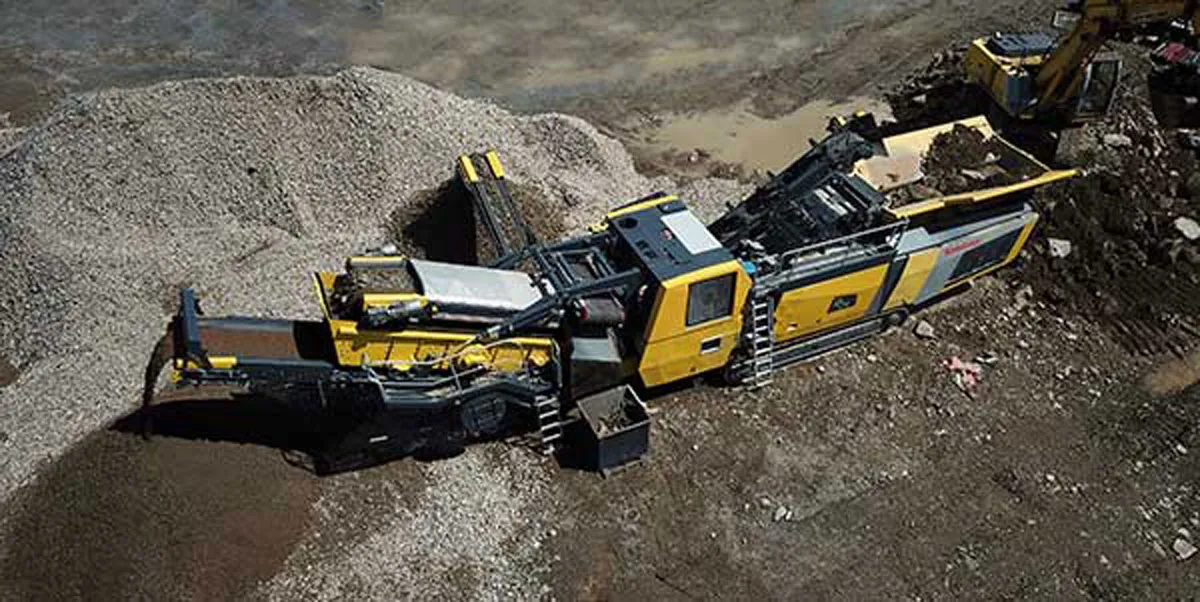
Terex Corporation has signed a definitive agreement to acquire Keestrack, a manufacturer of mobile crushing, screening and related equipment for the aggregates, recycling, construction and demolition industries. Financial terms were not disclosed.Founded in Belgium in 1988, Keestrack serves customers in more than 65 countries through a network of over 70 distributors. The acquisition will expand Terex Materials Processing’s crushing and screening portfolio and add manufacturing and distribution capabilities.After completion, Keestrack will continue as an independent brand within the Terex Ma..
Next Story
Infrastructure Energy

IES Taskforce Reviews Final Report on Power-Sector Digital Platform

The India Energy Stack (IES) Taskforce has reviewed its Final Report in New Delhi. The document sets out a strategy, architecture, governance framework and pathway to scale IES as digital public infrastructure for India’s power sector. The Ministry of Power constituted the Taskforce in June 2025.The report was presented by Prince Dhawan, Executive Director, REC Limited, and Swetha Ravi Kumar, Executive Director, FSR Global. Dr Ram Sewak Sharma, Chairperson of the Taskforce, outlined the way forward.IES is a common set of open standards and protocols designed to let utilities, regulators, mar..
Next Story
Infrastructure Urban

LANXESS, HINCOL Partner on Road Construction Technologies

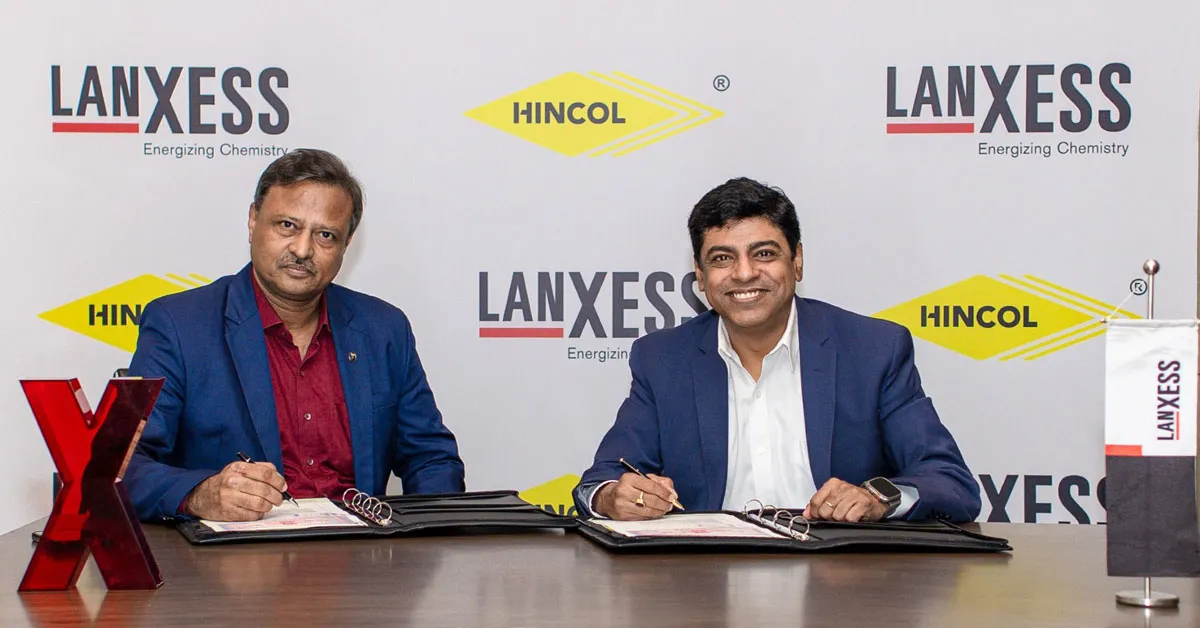
LANXESS India and Hindustan Colas Private Limited (HINCOL) have signed a Memorandum of Understanding to assess technical and commercial opportunities in bitumen and asphalt modification for India’s infrastructure market.The companies will conduct laboratory and commercial-scale evaluations of Addipave CR 36, LANXESS’ cross-linking technology for polymer-modified bitumen (PMB). LANXESS will provide the product, technical expertise and trial support, while HINCOL will contribute testing facilities, operational support and performance assessments under local conditions. The trials will examin..

Advertisement

Subscribe to Our Newsletter

Get daily newsletters around different themes from Construction world.

STAY CONNECTED

Advertisement

SPECIAL OFFER
QR Code