Coal Gasification Could Save India Rs. 1.5 tn in Imports
COAL & MINING

Coal Gasification Could Save India Rs. 1.5 tn in Imports

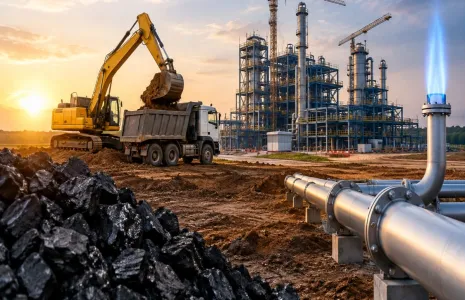
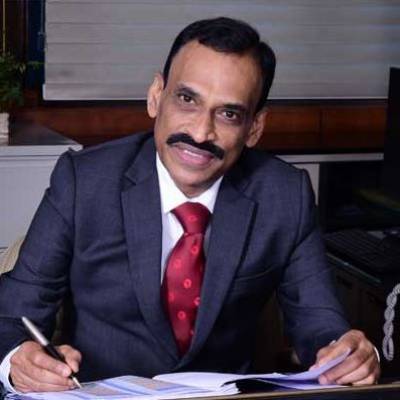
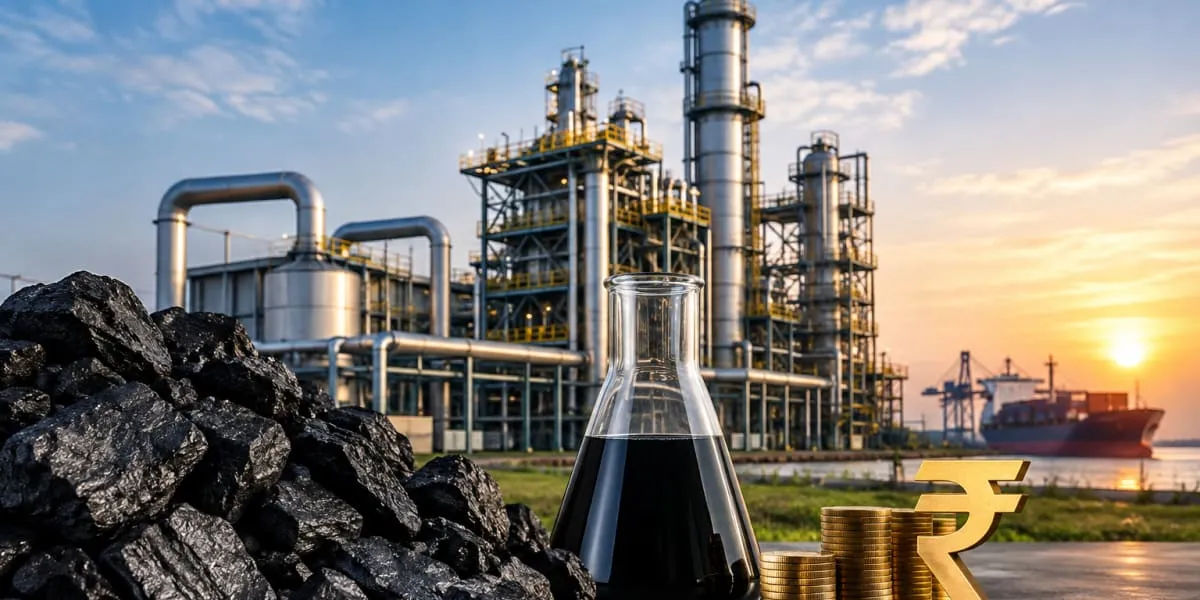
Coal gasification projects could help India save around Rs. 1.5 tn in foreign exchange over the next five to seven years by replacing imports, Coal Ministry Secretary Vikram Dev Dutt said at the 4th Conference of Mining Ministers on Reforms in the Mines and Coal Sector in South Goa. The projects are also expected to support industrial diversification and regional development.

The Centre has committed financial incentives of Rs. 460 bn under two schemes to encourage coal gasification. The process converts coal into synthetic gas, or syngas, which can be used to manufacture methanol, ethanol and ammonium nitrate for explosives, as well as inputs for direct reduced iron-based steel production.

Odisha and Maharashtra have introduced incentive policies, with projects developing in clusters in Odisha’s Angul district and Maharashtra’s Chandrapur belt. Dutt urged coal-producing states, including Jharkhand, Chhattisgarh and Odisha, to create supportive policies to attract investment and ensure that central government incentives benefit resource-rich regions.

The projects require substantial initial capital and state-level support relating to electricity, water supply and taxation. Gasification plants could create employment in downstream industries, provide opportunities for skilled and semi-skilled workers, strengthen local supply chains and generate wider economic activity.

Dutt said commercial mining reforms introduced in 2020 had removed restrictions on the end use and sale of coal. A total of 137 mines had been allocated through 15 auction rounds, while captive and commercial mines accounted for around 20 per cent of India’s coal production. The number of agencies authorised for mineral exploration had also increased from 13 government agencies to 57, including 44 accredited private agencies.

The secretary called for faster land acquisition, public hearings and statutory clearances to operationalise auctioned coal blocks. He said quicker production would help states receive royalties and other revenues earlier. The ministry has identified 147 mines for scientific closure over three years, with 43 already closed, and developed the SuVikalp digital tool to assess and repurpose closed mining areas.

Coal gasification projects could help India save around Rs. 1.5 tn in foreign exchange over the next five to seven years by replacing imports, Coal Ministry Secretary Vikram Dev Dutt said at the 4th Conference of Mining Ministers on Reforms in the Mines and Coal Sector in South Goa. The projects are also expected to support industrial diversification and regional development. The Centre has committed financial incentives of Rs. 460 bn under two schemes to encourage coal gasification. The process converts coal into synthetic gas, or syngas, which can be used to manufacture methanol, ethanol and ammonium nitrate for explosives, as well as inputs for direct reduced iron-based steel production. Odisha and Maharashtra have introduced incentive policies, with projects developing in clusters in Odisha’s Angul district and Maharashtra’s Chandrapur belt. Dutt urged coal-producing states, including Jharkhand, Chhattisgarh and Odisha, to create supportive policies to attract investment and ensure that central government incentives benefit resource-rich regions. The projects require substantial initial capital and state-level support relating to electricity, water supply and taxation. Gasification plants could create employment in downstream industries, provide opportunities for skilled and semi-skilled workers, strengthen local supply chains and generate wider economic activity. Dutt said commercial mining reforms introduced in 2020 had removed restrictions on the end use and sale of coal. A total of 137 mines had been allocated through 15 auction rounds, while captive and commercial mines accounted for around 20 per cent of India’s coal production. The number of agencies authorised for mineral exploration had also increased from 13 government agencies to 57, including 44 accredited private agencies. The secretary called for faster land acquisition, public hearings and statutory clearances to operationalise auctioned coal blocks. He said quicker production would help states receive royalties and other revenues earlier. The ministry has identified 147 mines for scientific closure over three years, with 43 already closed, and developed the SuVikalp digital tool to assess and repurpose closed mining areas.

Related Stories

Gold Stories

Next Story
Resources

Prateek Foundation Aakaar celebrates Diwali with children in Noida

Prateek Foundation Aakaar, the community initiative of Prateek Group, organised a Diwali celebration for children at Saikripa, Noida, on 4 November 2026. The one-hour programme brought together members of the foundation and children for an afternoon of creative and recreational activities.The celebration included diya painting, games and interactive sessions, with children designing and decorating diyas. The activities were aimed at encouraging creativity and providing an opportunity for the children to participate in the festive celebrations.Prateek Tiwari, Managing Director, Prateek Group, s..
Next Story
Equipment

Shakti Pumps signs MoU with ISA to expand solar water pumping

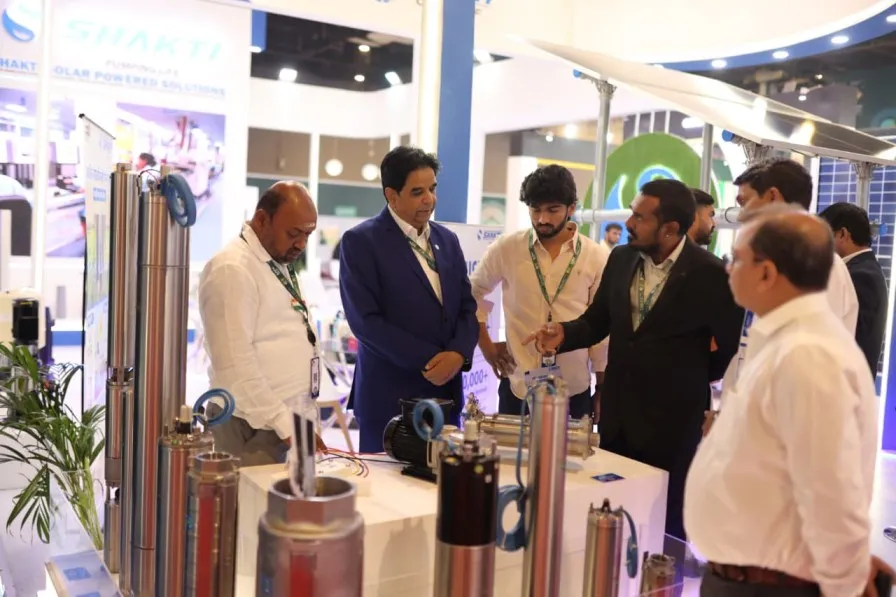
Shakti Pumps (India) signed a Memorandum of Understanding (MoU) with the International Solar Alliance (ISA) to strengthen international collaboration and accelerate the adoption of solar water pumping solutions. The agreement was signed by Ashish Khanna, Director General, ISA, and Ramesh Patidar, Managing Director, Shakti Pumps, alongside the ninth ISA Session at the Bharat Renewable Energy Summit and Expo (BRES) 2026, held at Bharat Mandapam, New Delhi.At the summit, Shakti Pumps showcased its integrated renewable energy portfolio, including solar pumping systems, rooftop solar solutions unde..

Next Story
Real Estate

Worli-Lower Parel gains ground as Mumbai’s commercial hub

Mumbai’s Worli-Lower Parel corridor is gaining prominence as a commercial and luxury residential destination, attracting financial institutions, technology companies and high-net-worth individuals. Infrastructure upgrades, including the Coastal Road and improved transit connectivity, are contributing to the shift in occupier interest from established business districts such as Bandra-Kurla Complex (BKC) and Nariman Point.Recent leasing transactions underline the corridor’s growing commercial appeal. At Marathon Futurex in Lower Parel, three financial firms leased a combined 28,976 sq ft at..

Advertisement

Subscribe to Our Newsletter

Get daily newsletters around different themes from Construction world.

STAY CONNECTED

Advertisement

SPECIAL OFFER
QR Code