Coal Gasification Scheme Gets Two Applications in Second Round
POWER & RENEWABLE ENERGY

Coal Gasification Scheme Gets Two Applications in Second Round

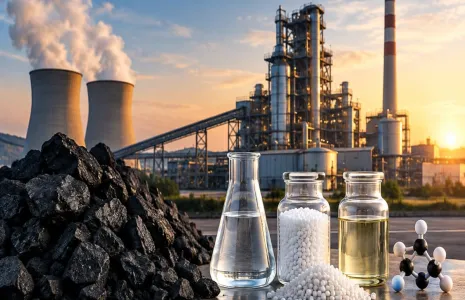
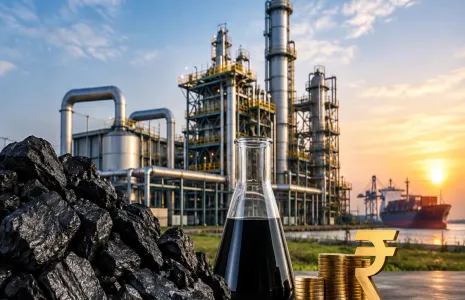
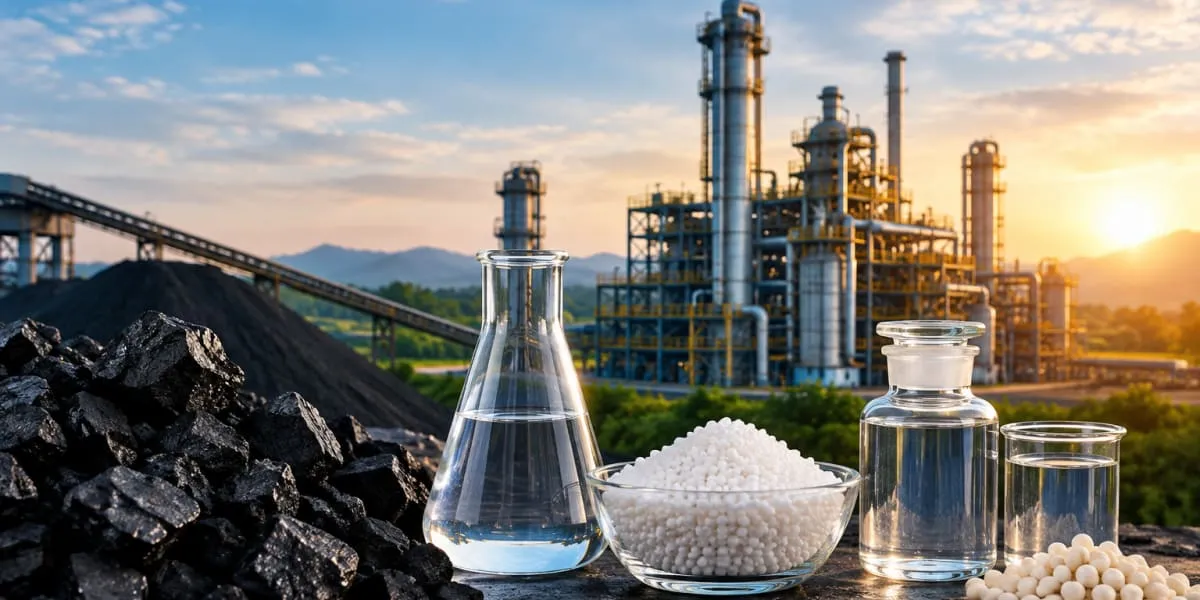
The government’s Rs. 375 bn coal and lignite gasification scheme received two applications in its second round, both from state-run NTPC. One proposal covers urea production, while the other envisages methanol and dimethyl ether (DME), according to the Ministry of Coal.

The ministry has opened a third application round, with January 11, 2027, set as the submission deadline. The second-round response compares with seven applications received in the first round from five companies, including NTPC, Adani Enterprises, Talcher Fertilisers, Gallantt Ispat and Shyam Sel & Power.

Industry representatives identified a lack of assured buyers, financing challenges, uncertainty over coal supply and logistics expenses as constraints on investment. Amrit Lal Meena, chairman of the Gasification Technology and Research Council, said the high capital expenditure required for such projects made long-term offtake arrangements for syngas and downstream products important, especially for producers selling in the open market.

Meena said public sector energy, fertiliser and chemical companies could support demand through long-term purchase agreements. Atanu Mukherjee, chief executive officer (CEO) of Dastur Energy, said NTPC’s participation was encouraging but argued that financial incentives should be supported by measures such as a partial credit guarantee mechanism to reduce lenders’ risks and financing costs.

Meena also recommended including coal gasification in the Department of Economic Affairs’ Harmonised Master List of Infrastructure Sub-sectors. Industry representatives cited dependence on imported machinery and technology, particularly from China, alongside coal and product transportation costs, as additional concerns.

The scheme, approved in May 2026, aims to support 75 mn t of coal gasification capacity by 2030, against a national target of 100 mn t. The process converts coal into syngas used to produce methanol, ammonia, urea, hydrogen and synthetic natural gas. The programme seeks to reduce imports of LNG, urea, ammonia and methanol, which together cost about Rs. 2.77 tn in FY25. It is expected to attract Rs. 2.5-3 tn of investment and builds on an earlier Rs. 85 bn incentive scheme.

The government’s Rs. 375 bn coal and lignite gasification scheme received two applications in its second round, both from state-run NTPC. One proposal covers urea production, while the other envisages methanol and dimethyl ether (DME), according to the Ministry of Coal. The ministry has opened a third application round, with January 11, 2027, set as the submission deadline. The second-round response compares with seven applications received in the first round from five companies, including NTPC, Adani Enterprises, Talcher Fertilisers, Gallantt Ispat and Shyam Sel & Power. Industry representatives identified a lack of assured buyers, financing challenges, uncertainty over coal supply and logistics expenses as constraints on investment. Amrit Lal Meena, chairman of the Gasification Technology and Research Council, said the high capital expenditure required for such projects made long-term offtake arrangements for syngas and downstream products important, especially for producers selling in the open market. Meena said public sector energy, fertiliser and chemical companies could support demand through long-term purchase agreements. Atanu Mukherjee, chief executive officer (CEO) of Dastur Energy, said NTPC’s participation was encouraging but argued that financial incentives should be supported by measures such as a partial credit guarantee mechanism to reduce lenders’ risks and financing costs. Meena also recommended including coal gasification in the Department of Economic Affairs’ Harmonised Master List of Infrastructure Sub-sectors. Industry representatives cited dependence on imported machinery and technology, particularly from China, alongside coal and product transportation costs, as additional concerns. The scheme, approved in May 2026, aims to support 75 mn t of coal gasification capacity by 2030, against a national target of 100 mn t. The process converts coal into syngas used to produce methanol, ammonia, urea, hydrogen and synthetic natural gas. The programme seeks to reduce imports of LNG, urea, ammonia and methanol, which together cost about Rs. 2.77 tn in FY25. It is expected to attract Rs. 2.5-3 tn of investment and builds on an earlier Rs. 85 bn incentive scheme.

Related Stories

Gold Stories

Next Story
Infrastructure Transport

India to Develop Civil Aircraft Within Two Years, Build 100 Airports

India aims to develop its own civil aircraft within the next two years as it seeks to strengthen domestic aerospace capabilities and reduce dependence on foreign aircraft manufacturers, Civil Aviation Minister Ram Mohan Naidu said on November 12. He said the ambition extended beyond assembling aircraft to developing expertise in aircraft design and production. Speaking at the inaugural session of the Confederation of Indian Industry (CII) Partnership Summit 2026 in Visakhapatnam, Naidu said India wanted to establish itself as a major aerospace manufacturing hub. The government’s approach is ..

Next Story
Infrastructure Urban

Two Korean Firms to Invest Rs. 13.7 bn in Tamil Nadu

Two South Korean automotive component suppliers to Hyundai and Kia plan to invest a combined Rs. 13.7 bn in Tamil Nadu over the next five years, according to sources in the state industries department. The proposed investments come after a political dispute over the reported movement of some automotive investments to Andhra Pradesh. The state government has received letters of intent (LoIs) from Hwashin and Seoyon, while memorandums of understanding (MoUs) are expected to be signed shortly. Both companies communicated their investment plans in letters dated November 11, reaffirming their inten..
Next Story
Building Material

Cement Makers See Margin Relief as Oil Prices Lower Fuel Costs

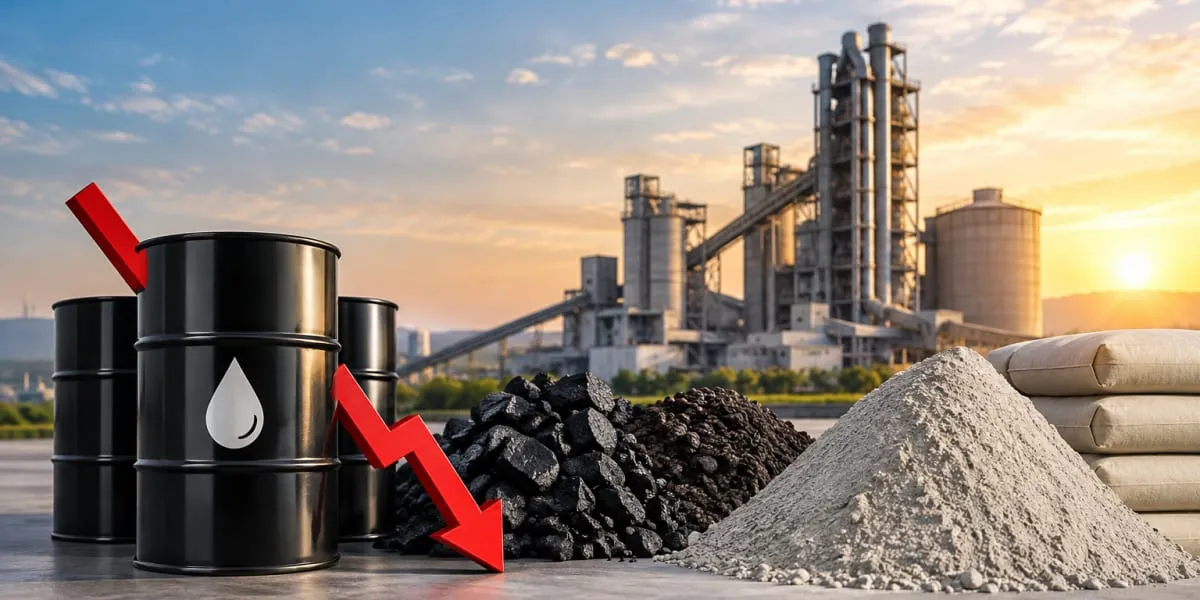
Cement makers are set to see a significant improvement in profitability in the second half of FY27 as falling global oil prices reduce the cost of key fuels, including petcoke and coal. Higher cement prices are also expected to support earnings, according to a report by Systematix Group. The cement sector remained resilient in Q2 FY27, with volumes across the companies covered by the brokerage rising 7.2 per cent year-on-year. Higher sales volumes and improved realisations contributed to top-line growth during the quarter, although fuel and packaging expenses remained near-term concerns for ma..

Advertisement

Subscribe to Our Newsletter

Get daily newsletters around different themes from Construction world.

STAY CONNECTED

Advertisement

SPECIAL OFFER
QR Code