


Coal India’s H1FY27 Capex Rises 27%
COAL & MINING

Coal India’s H1FY27 Capex Rises 27%

Coal India incurred capital expenditure of Rs. 79.66 bn during H1FY27, a 27 per cent increase from Rs. 62.83 bn spent in the corresponding period of the previous financial year. The state-run company also exceeded its first-half target of Rs. 72.86 bn, achieving 109 per cent of the planned outlay.

The expenditure represented more than 48 per cent of Coal India’s annual capital expenditure target of Rs. 165 bn. The company said its spending was focused on strengthening mining infrastructure, acquiring land, procuring heavy earth-moving machinery and advancing diversification projects.

Mine infrastructure development was the largest investment category during the period, attracting Rs. 21.52 bn. The spending covered railway sidings and corridors, coal handling plants, silos and weighbridges intended to improve coal evacuation and handling capacity.

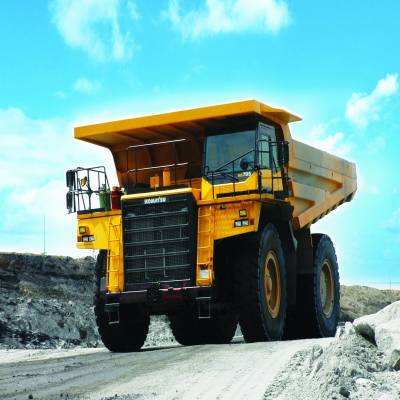
Land acquisition accounted for Rs. 20.33 bn, while more than Rs. 10 bn was spent on mine development to support the expansion and operational readiness of mining projects. Capital expenditure on plant and machinery stood at Rs. 13.94 bn, including spending on heavy earth-moving machinery, washeries and other equipment. Of this amount, Rs. 4.52 bn was used to procure heavy earth-moving machinery.

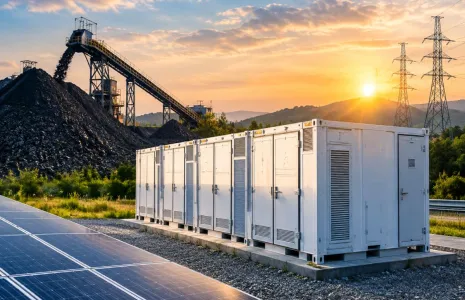
Coal India, or CIL, also invested more than Rs. 7.39 bn in diversification projects covering solar energy, critical minerals, coal gasification and thermal power generation. Mine infrastructure, plant and machinery, land acquisition and diversification together accounted for more than 79 per cent of total capital expenditure in H1FY27. The company said these investments are expected to strengthen operational capabilities and support its production and supply targets for the financial year.

Coal India incurred capital expenditure of Rs. 79.66 bn during H1FY27, a 27 per cent increase from Rs. 62.83 bn spent in the corresponding period of the previous financial year. The state-run company also exceeded its first-half target of Rs. 72.86 bn, achieving 109 per cent of the planned outlay. The expenditure represented more than 48 per cent of Coal India’s annual capital expenditure target of Rs. 165 bn. The company said its spending was focused on strengthening mining infrastructure, acquiring land, procuring heavy earth-moving machinery and advancing diversification projects. Mine infrastructure development was the largest investment category during the period, attracting Rs. 21.52 bn. The spending covered railway sidings and corridors, coal handling plants, silos and weighbridges intended to improve coal evacuation and handling capacity. Land acquisition accounted for Rs. 20.33 bn, while more than Rs. 10 bn was spent on mine development to support the expansion and operational readiness of mining projects. Capital expenditure on plant and machinery stood at Rs. 13.94 bn, including spending on heavy earth-moving machinery, washeries and other equipment. Of this amount, Rs. 4.52 bn was used to procure heavy earth-moving machinery. Coal India, or CIL, also invested more than Rs. 7.39 bn in diversification projects covering solar energy, critical minerals, coal gasification and thermal power generation. Mine infrastructure, plant and machinery, land acquisition and diversification together accounted for more than 79 per cent of total capital expenditure in H1FY27. The company said these investments are expected to strengthen operational capabilities and support its production and supply targets for the financial year.

Related Stories

Gold Stories
Next Story
Infrastructure Urban

Bajaj Auto to Raise Monthly Electric 2W Capacity to 80,000 by March

Bajaj Auto plans to raise monthly production capacity for electric two-wheelers to around 80,000 units by the end of March, as demand for its Chetak electric scooter continues to exceed available output. The company currently has capacity for around 60,000 electric two-wheelers a month. Joint Managing Director Rakesh Sharma said production had returned to the existing full capacity after a supply chain disruption affected output. The issue had reduced recent production to around 40,000 units, resulting in a shortfall of 20,000 vehicles despite strong demand. The company expects to remove produ..

Next Story
Infrastructure Transport

India’s Domestic Air Passenger Traffic Falls 6.5% in September

India’s domestic air passenger traffic declined 6.49 per cent month on month to 11.8 mn in September, according to data released by the Directorate General of Civil Aviation (DGCA). IndiGo retained its leading position, carrying nearly two-thirds of domestic passengers, while the Air India Group remained the second-largest operator. IndiGo held a 65.4 per cent market share and transported 7.73 mn passengers during the month. The Air India Group accounted for 26.8 per cent of the market, carrying 3.165 mn passengers, based on data from the aviation regulator. Akasa Air ranked third with a 5.6..

Next Story
Infrastructure Urban

DPIIT Advances Trust-Based Governance Across India

The Department for Promotion of Industry and Internal Trade (DPIIT), under the Ministry of Commerce and Industry, is shifting India’s regulatory approach from permission-based administration to trust-based governance. The reforms seek to reduce business compliance, support startups, attract investment and simplify approvals across the country. According to an official statement, 47,957 compliance requirements have been reduced across Central Ministries and States and Union Territories. Of these, 22,290 have been digitised, 16,141 simplified, 5,255 decriminalised and 4,271 eliminated. The Jan..

Advertisement

Subscribe to Our Newsletter

Get daily newsletters around different themes from Construction world.

STAY CONNECTED

Advertisement

SPECIAL OFFER
QR Code