+
India’s Coal Sector Shifts Towards Smarter, Safer Mining
COAL & MINING

India’s Coal Sector Shifts Towards Smarter, Safer Mining

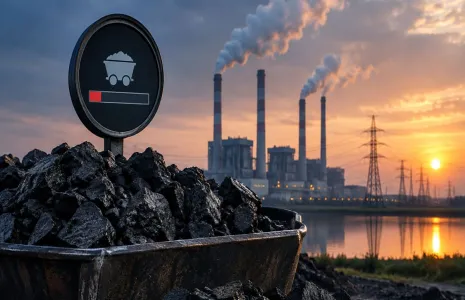
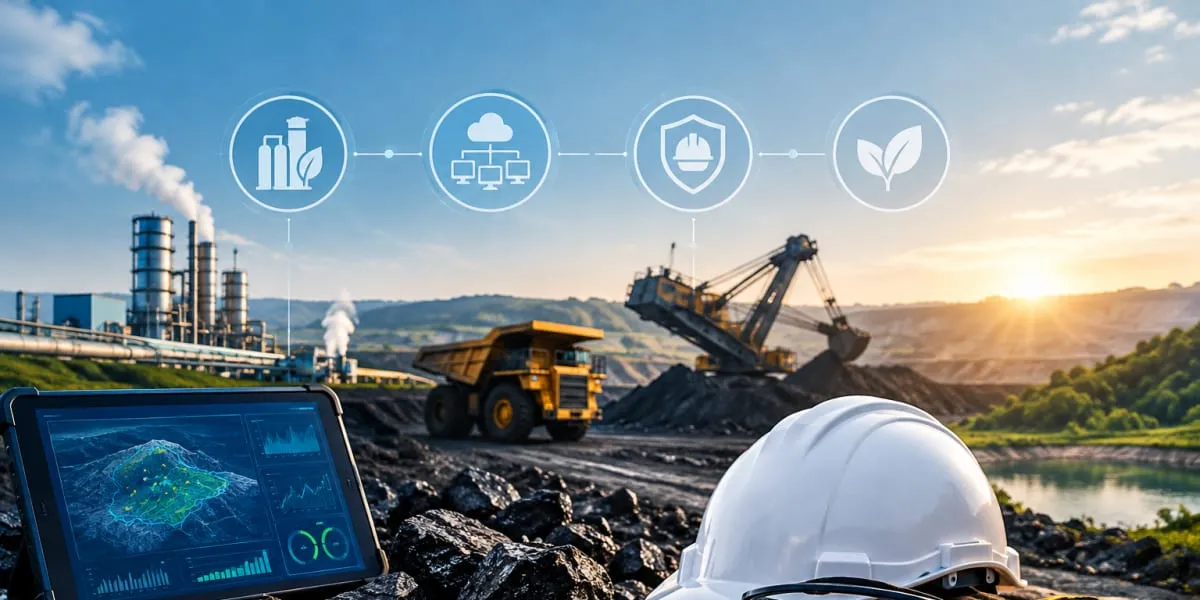
India’s coal industry is entering a technology-driven phase as mining companies seek higher efficiency, stronger safety systems and a lower environmental footprint. Coal gasification, digitalisation, predictive safety systems and workforce training are emerging as priorities as coal remains central to the country’s energy and industrial requirements.

Discussions at the 18th India Coal Summit in New Delhi highlighted a transition within the sector rather than an immediate move away from coal. Delegates examined clean coal technologies, mine sustainability and methods of extracting greater value from coal while reducing operational risks and improving productivity.

Coal gasification was identified as an important opportunity for producing higher-value products, including methanol, ammonia, chemicals and hydrogen. Abhinav Sengupta, senior programme lead for Technology Futures at the Council on Energy, Environment and Water, said wider adoption would depend on reliable feedstock, sustained technology availability, assured demand and stronger offtake commitments. Capital-intensive projects would also require technology transfer and suitable commercial arrangements.

The technology transition is also extending into mining operations. Dr Sanjeev Prasad, director for Metal and Mining at CRISIL, said the industry was moving from manual methods towards smart mining through IoT sensors, artificial intelligence, machine learning, wearable devices, autonomous robots, digital twins and drones. These tools are intended to improve productivity and enable companies to identify safety risks before accidents occur.

Prasad also pointed to gaps in digital skills, network infrastructure, data quality and organisational ownership that could slow adoption. He said contractors should not be separated from the safety responsibilities of large mining companies, and that long-term contracting models should incorporate new safety and productivity technologies.

The transition will also affect workers and mining communities. Navneet Kumar, chief operating officer at SCMS, said environmental performance, community welfare, workforce skills and a just transition needed to be addressed alongside technology. The sector’s next phase is therefore expected to focus not only on production volumes, but also on cleaner conversion, safer workplaces and stronger local economies.

India’s coal industry is entering a technology-driven phase as mining companies seek higher efficiency, stronger safety systems and a lower environmental footprint. Coal gasification, digitalisation, predictive safety systems and workforce training are emerging as priorities as coal remains central to the country’s energy and industrial requirements. Discussions at the 18th India Coal Summit in New Delhi highlighted a transition within the sector rather than an immediate move away from coal. Delegates examined clean coal technologies, mine sustainability and methods of extracting greater value from coal while reducing operational risks and improving productivity. Coal gasification was identified as an important opportunity for producing higher-value products, including methanol, ammonia, chemicals and hydrogen. Abhinav Sengupta, senior programme lead for Technology Futures at the Council on Energy, Environment and Water, said wider adoption would depend on reliable feedstock, sustained technology availability, assured demand and stronger offtake commitments. Capital-intensive projects would also require technology transfer and suitable commercial arrangements. The technology transition is also extending into mining operations. Dr Sanjeev Prasad, director for Metal and Mining at CRISIL, said the industry was moving from manual methods towards smart mining through IoT sensors, artificial intelligence, machine learning, wearable devices, autonomous robots, digital twins and drones. These tools are intended to improve productivity and enable companies to identify safety risks before accidents occur. Prasad also pointed to gaps in digital skills, network infrastructure, data quality and organisational ownership that could slow adoption. He said contractors should not be separated from the safety responsibilities of large mining companies, and that long-term contracting models should incorporate new safety and productivity technologies. The transition will also affect workers and mining communities. Navneet Kumar, chief operating officer at SCMS, said environmental performance, community welfare, workforce skills and a just transition needed to be addressed alongside technology. The sector’s next phase is therefore expected to focus not only on production volumes, but also on cleaner conversion, safer workplaces and stronger local economies.

Related Stories

Gold Stories

Next Story
Real Estate

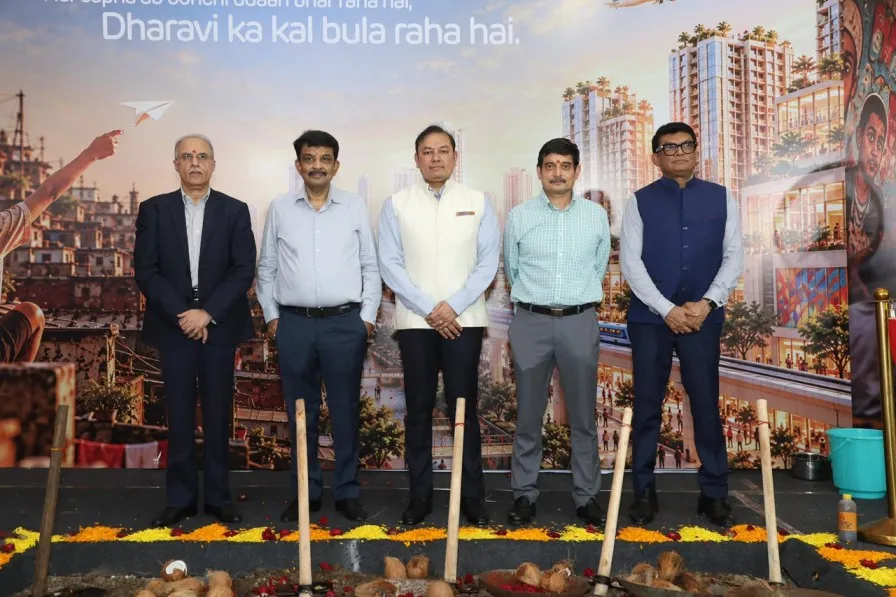
Adani begins construction of Dharavi rehabilitation homes

Construction of rehabilitation homes for eligible Dharavi residents has commenced at the 22-acre Matunga railway site, following a Bhoomi Poojan ceremony performed by Pranav Adani, Director, Adani Enterprises (AEL). The project, being implemented by Adani Navbharat Developers (ANDPL), envisages 10 towers comprising 10,432 rehabilitation apartments and 1,379 commercial and industrial units.Under the in-situ rehabilitation scheme, eligible residents will receive homes measuring 350 sq ft. Residents from Sectors 6 and 1 will be accommodated at Matunga first, followed by nearly 4,500 apartments fo..
Next Story
Equipment

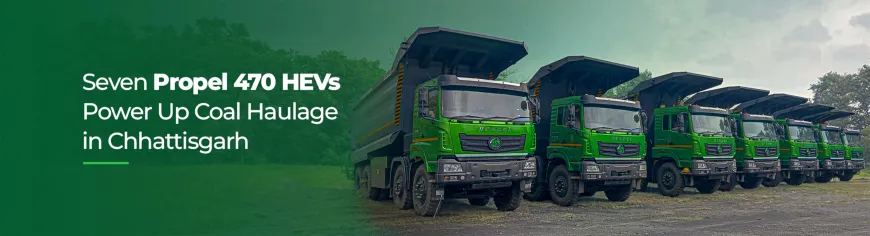
Seven Propel 470 HEV electric tippers go to work on coal haulage in Chhattisgarh

Propel EV, the electric mobility division of Propel Industries and India's No. 1 electric tipper brand, has deployed seven 470 HEV electric trucks with a leading coal-haulage contractor at one of India's largest opencast coal mines in Chhattisgarh. The trucks are in daily operation, moving coal on continuous haul cycles in one of the most demanding applications in Indian mining.Why Electric - and Why CoalCoal haulage runs round the clock: heavy loads, long haul cycles, steep ramps and abrasive dust. It is also where diesel hurts most. Engines run continuously, fuel is the largest single operat..

Next Story
Infrastructure Transport

UP Cabinet Approves Renaming Jewar Airport After PM Modi

The Uttar Pradesh Cabinet has approved a proposal to rename Noida International Airport at Jewar as Narendra Modi International Airport, Noida-Jewar. Chief Minister Yogi Adityanath announced the decision after a Cabinet meeting, saying the airport represented a major contribution to the state and would become Uttar Pradesh’s largest airport and a significant aviation hub. The greenfield airport’s foundation stone was laid by Prime Minister Narendra Modi on November 25, 2021. He inaugurated Phase 1 on March 28, 2026, and commercial flights began on June 15. The facility is being developed a..

Advertisement

Subscribe to Our Newsletter

Get daily newsletters around different themes from Construction world.

STAY CONNECTED

Advertisement

SPECIAL OFFER
QR Code