Oyster Renewable Invests Rs. 3.72 bn in 60.9 MW Hybrid Project
POWER & RENEWABLE ENERGY

Oyster Renewable Invests Rs. 3.72 bn in 60.9 MW Hybrid Project

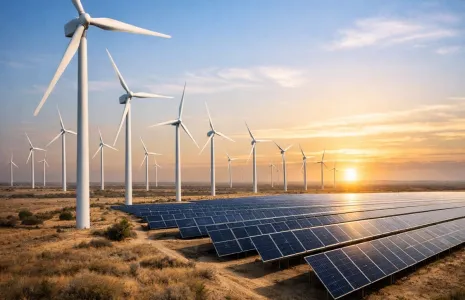
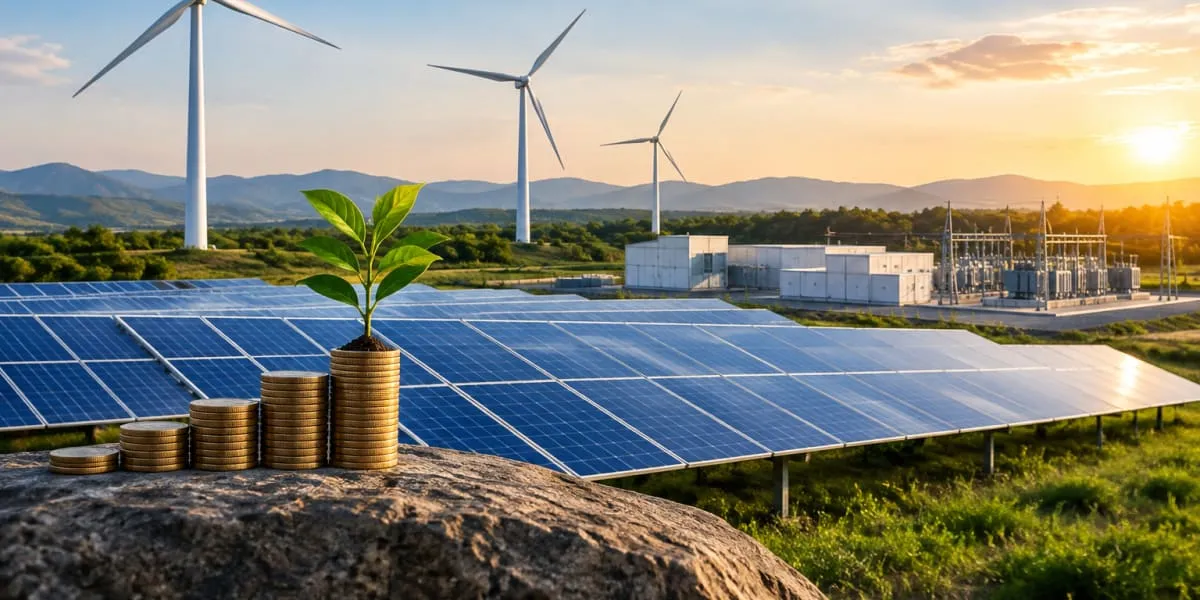
Oyster Renewable Energy is developing a 60.9 MW wind-solar hybrid renewable energy project for Laurus Labs in Kadapa district, Andhra Pradesh, with an investment of approximately Rs. 3.72 bn. The project is being developed under a captive power arrangement to support Laurus Labs’ renewable energy requirements and reduce its dependence on conventional electricity sources.

The facility comprises 39.3 MWp of solar capacity and 21.6 MW of wind capacity. Oyster Renewable has commissioned the entire solar component, which is operational and generating electricity. The remaining wind capacity is expected to be commissioned by December 2026, completing the hybrid project.

The commissioned solar capacity is expected to generate approximately 51.51 mn units of electricity annually. This output is estimated to avoid around 35,571 t of carbon dioxide emissions each year, supporting Laurus Labs’ sustainability and decarbonisation objectives. Once both components are operational, the integrated project is expected to generate approximately 124 mn units annually and avoid around 88,040 t of emissions a year.

By combining wind and solar generation at one location, the project is intended to provide a more consistent renewable electricity supply beyond daylight hours. The arrangement can help address the variable generation patterns associated with individual renewable sources and provide industrial consumers with a more balanced supply across different hours and seasons.

Oyster Renewable Managing Director and Chief Executive Officer Siddharth Bhatia said the project reflected growing demand for reliable renewable electricity among energy-intensive manufacturing industries. He identified pharmaceuticals, cement and steel as sectors showing increasing interest in hybrid renewable energy solutions. Laurus Labs Founder and Chief Executive Officer Satyanarayana Chava said the commissioned solar component supported the company’s wider efforts in energy efficiency and sustainable operations.

Laurus Labs aims to meet approximately 50 per cent of its total energy requirements through renewable sources by the fourth quarter of FY2027. The company is also pursuing captive solar power, renewable energy power purchase agreements, process optimisation and energy-efficient technologies, with the Kadapa project expected to contribute to its target.

Oyster Renewable Energy is developing a 60.9 MW wind-solar hybrid renewable energy project for Laurus Labs in Kadapa district, Andhra Pradesh, with an investment of approximately Rs. 3.72 bn. The project is being developed under a captive power arrangement to support Laurus Labs’ renewable energy requirements and reduce its dependence on conventional electricity sources. The facility comprises 39.3 MWp of solar capacity and 21.6 MW of wind capacity. Oyster Renewable has commissioned the entire solar component, which is operational and generating electricity. The remaining wind capacity is expected to be commissioned by December 2026, completing the hybrid project. The commissioned solar capacity is expected to generate approximately 51.51 mn units of electricity annually. This output is estimated to avoid around 35,571 t of carbon dioxide emissions each year, supporting Laurus Labs’ sustainability and decarbonisation objectives. Once both components are operational, the integrated project is expected to generate approximately 124 mn units annually and avoid around 88,040 t of emissions a year. By combining wind and solar generation at one location, the project is intended to provide a more consistent renewable electricity supply beyond daylight hours. The arrangement can help address the variable generation patterns associated with individual renewable sources and provide industrial consumers with a more balanced supply across different hours and seasons. Oyster Renewable Managing Director and Chief Executive Officer Siddharth Bhatia said the project reflected growing demand for reliable renewable electricity among energy-intensive manufacturing industries. He identified pharmaceuticals, cement and steel as sectors showing increasing interest in hybrid renewable energy solutions. Laurus Labs Founder and Chief Executive Officer Satyanarayana Chava said the commissioned solar component supported the company’s wider efforts in energy efficiency and sustainable operations. Laurus Labs aims to meet approximately 50 per cent of its total energy requirements through renewable sources by the fourth quarter of FY2027. The company is also pursuing captive solar power, renewable energy power purchase agreements, process optimisation and energy-efficient technologies, with the Kadapa project expected to contribute to its target.

Related Stories

Gold Stories

Next Story
Infrastructure Transport

Signature Global Consortium Wins 475-Acre Raigad Parcel for Rs. 1.94 bn

Signature Global has emerged as the successful bidder for a 474.66-acre land parcel in Maharashtra’s Raigad district for Rs. 1.94 bn through an online auction conducted under the asset monetisation process of PACL. The acquisition marks the Gurugram-based developer’s entry into the Mumbai Metropolitan Region (MMR). The consortium was led by Maa Vaishno Net-Tech, a wholly owned subsidiary of Signature Global. Under the consortium arrangement, 35 per cent equity in the subsidiary will be diluted, subject to necessary approvals, with the other partners acquiring the stake. Signature Global wi..

Next Story
Real Estate

K Raheja Corp to Develop 165-Acre Township in Mumbai MMR

Mumbai-based real estate developer K Raheja Corp has entered into a joint development agreement with landowners to develop a 165-acre mixed-use township in Panvel, within the Mumbai Metropolitan Region. The agreement provides for revenue sharing between the developer and the landowners. Real estate data analytics firm CRE Matrix reviewed the joint development agreement, which was registered earlier this month. The document covers a large land parcel in Panvel, a growing development centre in the Mumbai Metropolitan Region and an important part of the wider Mumbai property market. Under the arr..
Next Story
Infrastructure Urban

Khan Market Ranks 24th Among World's Most Expensive Retail Streets

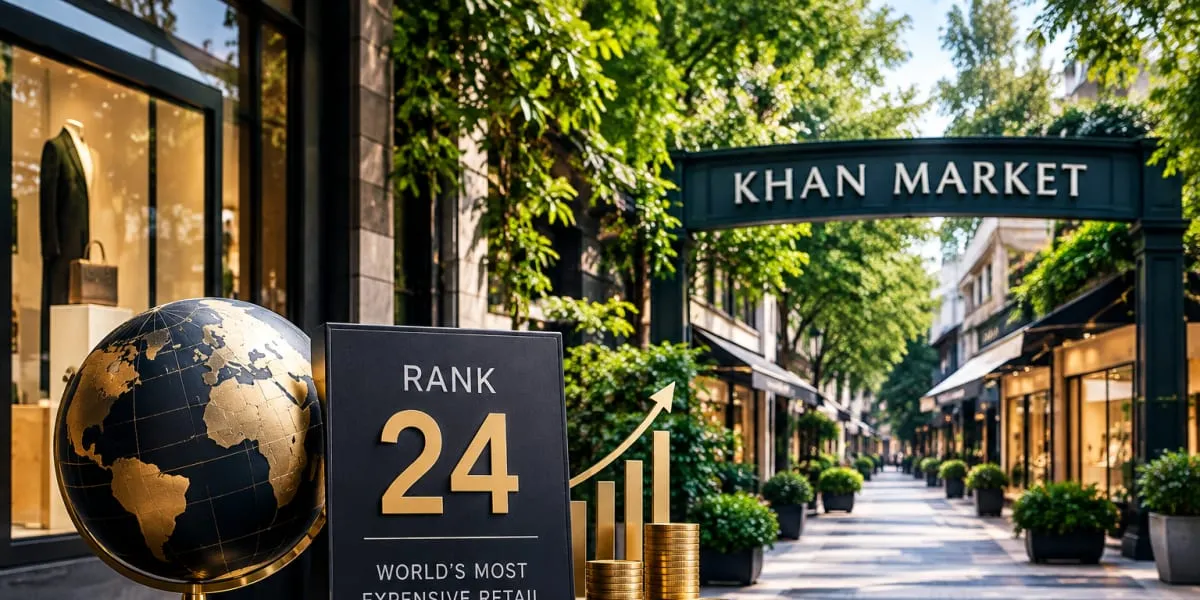
Delhi’s Khan Market has retained its 24th position among the world’s most expensive high-street retail locations, with annual rents rising 14 per cent year-on-year to about USD 238 per sq ft, according to real estate consultant Cushman & Wakefield. The market remains India’s most expensive high street. New York City’s Upper Fifth Avenue reclaimed the top position globally, overtaking London’s New Bond Street. Annual rents on the New York street increased 35 per cent to USD 2,700 per sq ft, after it ranked third in 2025. New Bond Street was second at USD 2,230 per sq ft, while Milanâ€..

Advertisement

Subscribe to Our Newsletter

Get daily newsletters around different themes from Construction world.

STAY CONNECTED

Advertisement

SPECIAL OFFER
QR Code