India’s Copper Demand Rises 12 Per Cent to 2,100 kt in FY26
COAL & MINING

India’s Copper Demand Rises 12 Per Cent to 2,100 kt in FY26

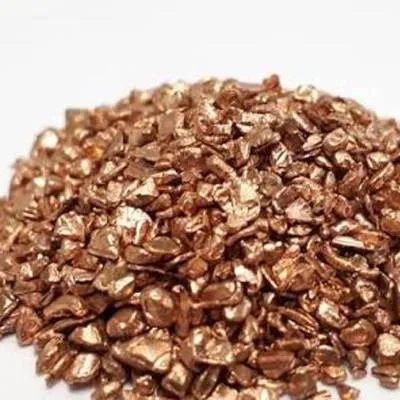
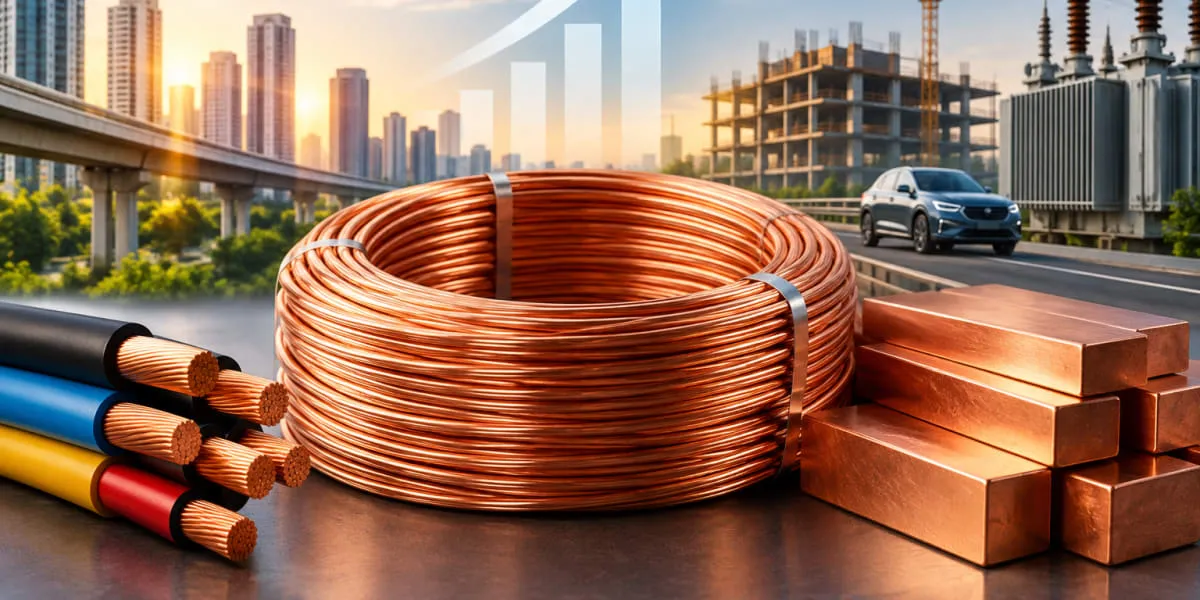
India’s copper demand rose 12 per cent to 2,100 kilotonnes (kt) in FY26, driven by infrastructure, automotive and building and construction activity, according to the Annual Copper Demand Data for FY2026 released by the International Copper Association India (ICA India). Demand growth accelerated from 9.3 per cent in the previous fiscal, when consumption stood at 1,878 kt, and exceeded India’s 7.7 per cent GDP growth during the period.

Copper is used extensively in wires and cables, transformers, motors, automotive harnesses and other electrical and industrial products. ICA India Managing Director Mayur Karmarkar attributed the increase to stronger economic activity and said policies supporting infrastructure investment, industrialisation and the clean energy transition would continue to support demand.

Infrastructure was the largest source of incremental demand, accounting for 22 per cent of total consumption and recording 29 per cent year-on-year growth. India added a record 37 GW of solar capacity during FY26, double the capacity added in FY25, while wind capacity additions increased 46 per cent to 6 GW. The growth was linked to the country’s renewable energy, grid development and net-zero objectives.

Automotive copper demand increased 14 per cent as passenger vehicle, commercial vehicle and tractor sales improved after subdued growth in FY25. Electric vehicle sales rose 19 per cent, led mainly by electric two-wheelers and four-wheelers. EV penetration reached 9 per cent, generating copper demand of 37 kt, with EVs requiring four times as much copper as internal-combustion-engine vehicles.

Building and construction, which contributes about one-fourth of national copper demand, grew 9 per cent year-on-year. Demand was supported by premium housing, commercial real estate, urbanisation, building wire, power cables and construction hardware, while data centres contributed less than 1 per cent. Domestic refined copper production reached 704 kt, up 23 per cent, meeting 58 per cent of demand; scrap supplied the remaining 42 per cent. Imported scrap totalled 274 kt, highlighting the need for additional domestic smelting and refining capacity.

India’s copper demand rose 12 per cent to 2,100 kilotonnes (kt) in FY26, driven by infrastructure, automotive and building and construction activity, according to the Annual Copper Demand Data for FY2026 released by the International Copper Association India (ICA India). Demand growth accelerated from 9.3 per cent in the previous fiscal, when consumption stood at 1,878 kt, and exceeded India’s 7.7 per cent GDP growth during the period. Copper is used extensively in wires and cables, transformers, motors, automotive harnesses and other electrical and industrial products. ICA India Managing Director Mayur Karmarkar attributed the increase to stronger economic activity and said policies supporting infrastructure investment, industrialisation and the clean energy transition would continue to support demand. Infrastructure was the largest source of incremental demand, accounting for 22 per cent of total consumption and recording 29 per cent year-on-year growth. India added a record 37 GW of solar capacity during FY26, double the capacity added in FY25, while wind capacity additions increased 46 per cent to 6 GW. The growth was linked to the country’s renewable energy, grid development and net-zero objectives. Automotive copper demand increased 14 per cent as passenger vehicle, commercial vehicle and tractor sales improved after subdued growth in FY25. Electric vehicle sales rose 19 per cent, led mainly by electric two-wheelers and four-wheelers. EV penetration reached 9 per cent, generating copper demand of 37 kt, with EVs requiring four times as much copper as internal-combustion-engine vehicles. Building and construction, which contributes about one-fourth of national copper demand, grew 9 per cent year-on-year. Demand was supported by premium housing, commercial real estate, urbanisation, building wire, power cables and construction hardware, while data centres contributed less than 1 per cent. Domestic refined copper production reached 704 kt, up 23 per cent, meeting 58 per cent of demand; scrap supplied the remaining 42 per cent. Imported scrap totalled 274 kt, highlighting the need for additional domestic smelting and refining capacity.

Related Stories

Gold Stories

Next Story
Building Material

Shankar Fenestrations works on façade design for CRC The Flagship

Shankar Fenestrations and Glasses is involved in the façade development of CRC The Flagship, a commercial real estate project in Noida. The project highlights the role of glass and fenestration systems in contemporary commercial architecture, where aesthetics, functionality and material selection influence building design.Façade systems play an important role in defining a building's visual identity while addressing practical requirements related to building performance. The development also reflects the growing adoption of contemporary architectural approaches in Noida's commercial real est..

Next Story
Real Estate

Urban Planners & City Architects Seek Mumbai DCPR 2034 Reexamination

Dr Niranjan Hiranandani, Ghulam Zia and industry experts call for stronger resident safeguards, affordable housing and better urban planning. Urban Planners & Architects sought an urgent relook at DCPR 2034 at 3rd Mumbai Redevelopment SummitMumbai's redevelopment must move beyond rebuilding individual buildings to creating sustainable, well-planned neighbourhoods supported by adequate infrastructure, industry leaders emphasised at the 3rd Mumbai Redevelopment Summit 2026, held on November 4 at Radisson Blu Mumbai International Airport.The summit was presented by FIRST Construction Council ..

Next Story
Resources

Kalpataru Projects International elevates Amit Uplenchwar as Joint MD and CEO

Kalpataru Projects International (KPIL) has elevated Amit Uplenchwar as Joint Managing Director and CEO (designate), following approval by its board on 5 November 2026. He will take charge as Additional Director, Joint Managing Director and CEO from 1 January 2027 for a five-year term ending 31 December 2031, subject to shareholders' approval.Uplenchwar brings over three decades of experience in corporate strategy, business operations, business development, mergers and acquisitions, and international business management. His experience spans transportation, power, water, oil and gas, aerospace..

Advertisement

Subscribe to Our Newsletter

Get daily newsletters around different themes from Construction world.

STAY CONNECTED

Advertisement

SPECIAL OFFER
QR Code