


India’s Depleted Coal Reserves Raise Blackout Risk
COAL & MINING

India’s Depleted Coal Reserves Raise Blackout Risk

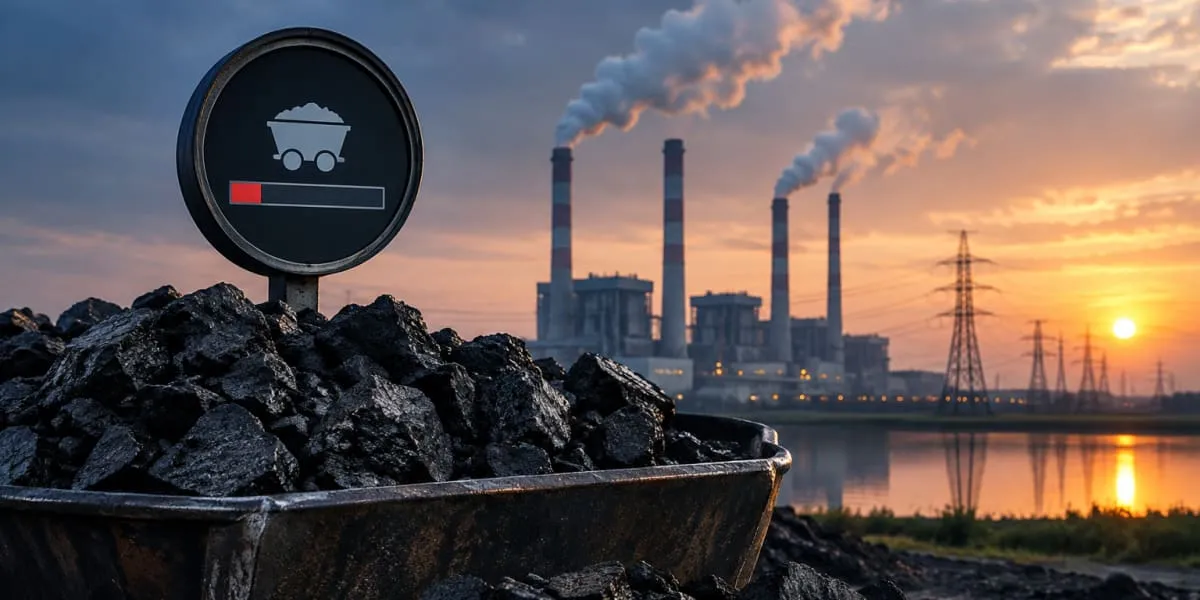
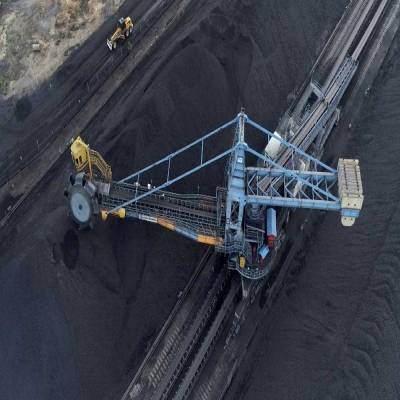
Coal inventories at India’s power stations have fallen close to a five-year low, with plants representing more than 40 per cent of the country’s coal-fired capacity holding four days of fuel or less. The position has increased concerns about the power system’s ability to withstand further disruptions and periods of elevated demand.

As of October 4, 69 power stations, representing more than two-fifths of India’s coal power fleet, had fuel for four days or less. Plant operators monitor that level as a minimum reserve, and the current position is the weakest since December 2021, when industrial activity after the pandemic reduced stockpiles across major energy-consuming markets.

Unusually warm conditions and irregular rainfall have sustained demand for cooling, irrigation and industry well into October, when temperatures would normally begin to moderate across much of the country. Heavy rain has interrupted mining operations, while limitations in rail capacity have slowed deliveries and forced power stations to draw down their inventories.

Coal continues to generate nearly 70 per cent of India’s electricity despite rapid expansion in solar and wind power over recent decades. This leaves the electricity system exposed to weather events, transport disruptions and possible strikes at mines. Almost 90 per cent of power stations with low inventories are located away from coal-producing areas, increasing their dependence on rail supply.

The supply pressure could continue to affect preparations for next summer. The period through February is generally the coolest part of the year and provides a limited opportunity to rebuild stockpiles before heatwaves or unexpected increases in demand. Elara Capital India senior vice-president for research Rupesh Sankhe said cooler weather could provide some relief, while distribution utilities may use daily load shedding to manage demand. He added that Coal India and the railways would need to improve supplies to power stations so they can prepare for the summer.

Coal inventories at India’s power stations have fallen close to a five-year low, with plants representing more than 40 per cent of the country’s coal-fired capacity holding four days of fuel or less. The position has increased concerns about the power system’s ability to withstand further disruptions and periods of elevated demand. As of October 4, 69 power stations, representing more than two-fifths of India’s coal power fleet, had fuel for four days or less. Plant operators monitor that level as a minimum reserve, and the current position is the weakest since December 2021, when industrial activity after the pandemic reduced stockpiles across major energy-consuming markets. Unusually warm conditions and irregular rainfall have sustained demand for cooling, irrigation and industry well into October, when temperatures would normally begin to moderate across much of the country. Heavy rain has interrupted mining operations, while limitations in rail capacity have slowed deliveries and forced power stations to draw down their inventories. Coal continues to generate nearly 70 per cent of India’s electricity despite rapid expansion in solar and wind power over recent decades. This leaves the electricity system exposed to weather events, transport disruptions and possible strikes at mines. Almost 90 per cent of power stations with low inventories are located away from coal-producing areas, increasing their dependence on rail supply. The supply pressure could continue to affect preparations for next summer. The period through February is generally the coolest part of the year and provides a limited opportunity to rebuild stockpiles before heatwaves or unexpected increases in demand. Elara Capital India senior vice-president for research Rupesh Sankhe said cooler weather could provide some relief, while distribution utilities may use daily load shedding to manage demand. He added that Coal India and the railways would need to improve supplies to power stations so they can prepare for the summer.

Related Stories

Gold Stories
Next Story
Equipment

Terex to Acquire Keestrack, Expanding Crushing Portfolio

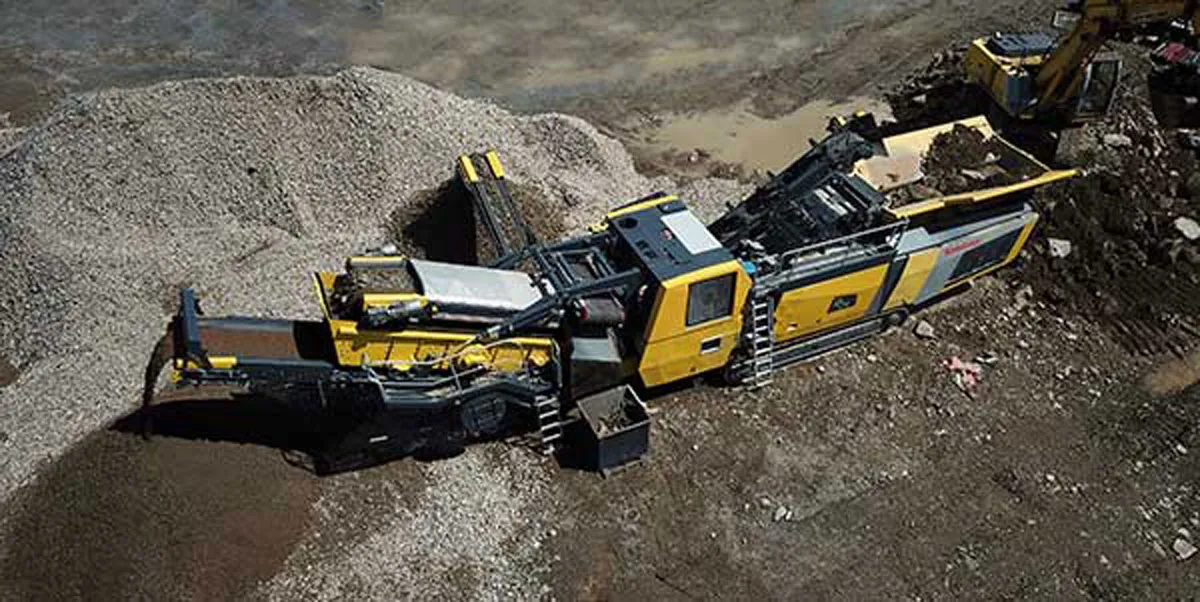
Terex Corporation has signed a definitive agreement to acquire Keestrack, a manufacturer of mobile crushing, screening and related equipment for the aggregates, recycling, construction and demolition industries. Financial terms were not disclosed.Founded in Belgium in 1988, Keestrack serves customers in more than 65 countries through a network of over 70 distributors. The acquisition will expand Terex Materials Processing’s crushing and screening portfolio and add manufacturing and distribution capabilities.After completion, Keestrack will continue as an independent brand within the Terex Ma..

Next Story
Infrastructure Energy

IES Taskforce Reviews Final Report on Power-Sector Digital Platform

The India Energy Stack (IES) Taskforce has reviewed its Final Report in New Delhi. The document sets out a strategy, architecture, governance framework and pathway to scale IES as digital public infrastructure for India’s power sector. The Ministry of Power constituted the Taskforce in June 2025.The report was presented by Prince Dhawan, Executive Director, REC Limited, and Swetha Ravi Kumar, Executive Director, FSR Global. Dr Ram Sewak Sharma, Chairperson of the Taskforce, outlined the way forward.IES is a common set of open standards and protocols designed to let utilities, regulators, mar..

Next Story
Infrastructure Urban

LANXESS, HINCOL Partner on Road Construction Technologies

LANXESS India and Hindustan Colas Private Limited (HINCOL) have signed a Memorandum of Understanding to assess technical and commercial opportunities in bitumen and asphalt modification for India’s infrastructure market.The companies will conduct laboratory and commercial-scale evaluations of Addipave CR 36, LANXESS’ cross-linking technology for polymer-modified bitumen (PMB). LANXESS will provide the product, technical expertise and trial support, while HINCOL will contribute testing facilities, operational support and performance assessments under local conditions. The trials will examin..

Advertisement

Subscribe to Our Newsletter

Get daily newsletters around different themes from Construction world.

STAY CONNECTED

Advertisement

SPECIAL OFFER
QR Code