India’s LNG Demand Fell by 1.5 mn t amid West Asia Conflict
OIL & GAS

India’s LNG Demand Fell by 1.5 mn t amid West Asia Conflict

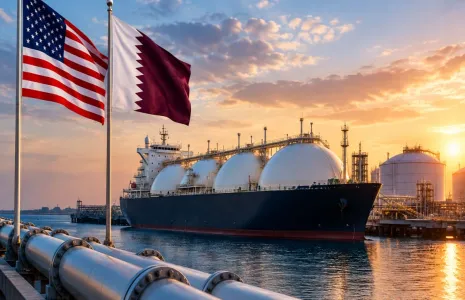
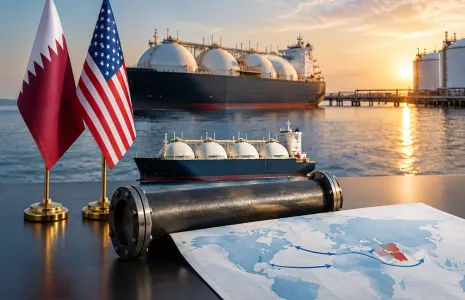
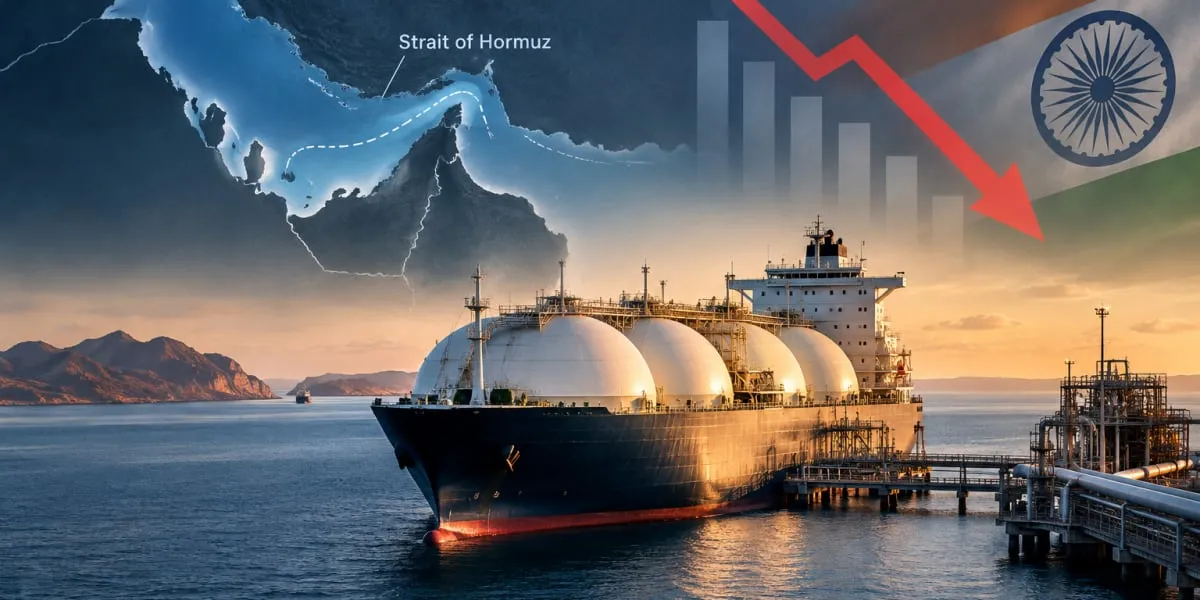
India’s natural gas demand fell by 1.5 mn t after the West Asia conflict disrupted liquefied natural gas (LNG) supplies, according to an analysis by Wood Mackenzie. The closure of the Strait of Hormuz interrupted Qatari and UAE LNG flows to South Asia, exposing the region’s dependence on those sources.

LNG demand across South Asia had been projected to rise by 2.7 mn t, or 7 per cent, in 2026. It is now expected to decline by around 6 mn t, while the outlook beyond 2026 has also been downgraded. Bangladesh recorded a reduction of more than 3 mn t, while India and Pakistan each saw demand fall by approximately 1.5 mn t.

India was relatively better placed because it used a tiered demand-management strategy. City gas distribution supplies were protected, while deliveries to fertiliser, refinery and industrial users were reduced in March and April. Wood Mackenzie said countries with diversified supply sources and multiple pricing mechanisms managed the disruption more effectively than those dependent on fewer options.

Daily urea production in India increased by 12,000 to 15,000 t and reached record levels in May and June. Output stood at 2.519 mn t in May and 2.537 mn t in June, supported by government subsidies. Tender award prices rose from $16.8 to $18.8 per million British thermal units (MMBtu) between March and June 2026, reaching $26.4 per MMBtu by September, although tendering demand remained strong.

Governments across the region responded with gas rationing, power cuts, tariff increases and additional budget allocations. Wood Mackenzie said these measures may defer rather than resolve the financial burden, as public finances come under pressure and consumers face higher energy bills and disrupted industrial supply chains. The duration of the conflict remains the main uncertainty. Prolonged hostilities could force governments to choose between energy security and fiscal stability, while buyers may need greater supply diversification, flexible pricing arrangements, stronger infrastructure and improved trading capabilities.

India’s natural gas demand fell by 1.5 mn t after the West Asia conflict disrupted liquefied natural gas (LNG) supplies, according to an analysis by Wood Mackenzie. The closure of the Strait of Hormuz interrupted Qatari and UAE LNG flows to South Asia, exposing the region’s dependence on those sources. LNG demand across South Asia had been projected to rise by 2.7 mn t, or 7 per cent, in 2026. It is now expected to decline by around 6 mn t, while the outlook beyond 2026 has also been downgraded. Bangladesh recorded a reduction of more than 3 mn t, while India and Pakistan each saw demand fall by approximately 1.5 mn t. India was relatively better placed because it used a tiered demand-management strategy. City gas distribution supplies were protected, while deliveries to fertiliser, refinery and industrial users were reduced in March and April. Wood Mackenzie said countries with diversified supply sources and multiple pricing mechanisms managed the disruption more effectively than those dependent on fewer options. Daily urea production in India increased by 12,000 to 15,000 t and reached record levels in May and June. Output stood at 2.519 mn t in May and 2.537 mn t in June, supported by government subsidies. Tender award prices rose from $16.8 to $18.8 per million British thermal units (MMBtu) between March and June 2026, reaching $26.4 per MMBtu by September, although tendering demand remained strong. Governments across the region responded with gas rationing, power cuts, tariff increases and additional budget allocations. Wood Mackenzie said these measures may defer rather than resolve the financial burden, as public finances come under pressure and consumers face higher energy bills and disrupted industrial supply chains. The duration of the conflict remains the main uncertainty. Prolonged hostilities could force governments to choose between energy security and fiscal stability, while buyers may need greater supply diversification, flexible pricing arrangements, stronger infrastructure and improved trading capabilities.

Related Stories

Gold Stories

Next Story
Infrastructure Urban

Welspun One unveils Diwali campaign for World Trade Center Thane

Welspun One has unveiled A Dream Diwali, a festive brand film promoting World Trade Center Thane, its proposed mixed-use development in the Mumbai Metropolitan Region (MMR). The campaign uses individual interpretations of an ideal Diwali to introduce the experiences and offerings planned at the development.The film follows different characters as they share their festive wishes and go about activities such as shopping, meeting friends, playing games and spending time with family. Through these everyday moments, the campaign presents the idea that celebrations are personal and that different ge..
Next Story
Equipment

BorgWarner secures three turbocharger contracts with global powertrain leader

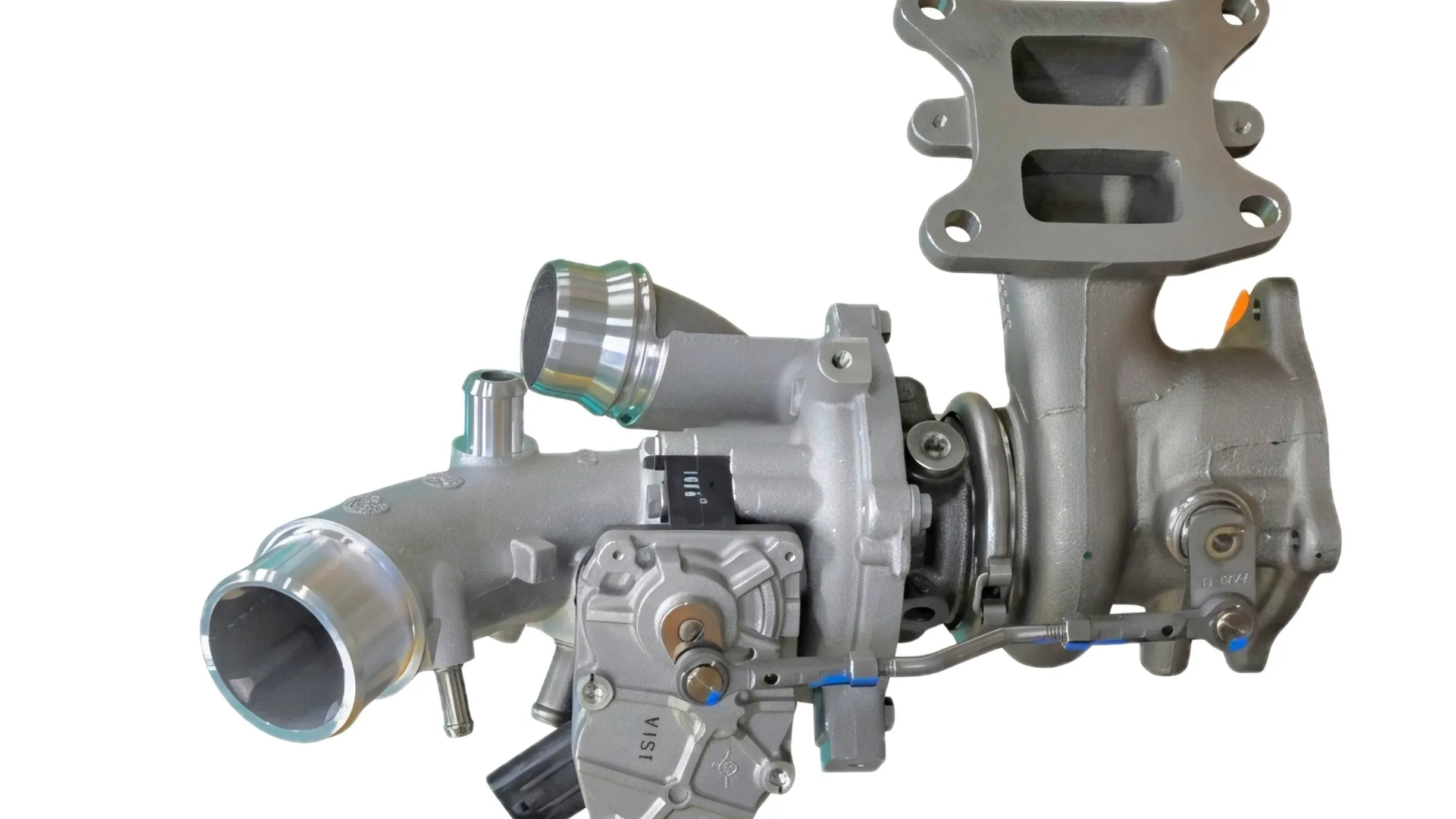
BorgWarner has secured three new turbocharger contracts with a global powertrain technology company. The wins comprise one contract for its variable turbine geometry (VTG) turbocharger and two for its wastegate turbocharger. The technologies will be deployed in the customer's light-vehicle gasoline platforms in South America and Europe, with production scheduled to begin in 2027.The VTG turbochargers are designed for gasoline engines operating under demanding conditions and high-boost pressure requirements. They are engineered to support Miller-cycle engines and withstand exhaust temperatures ..
Next Story
Infrastructure Transport

International Digi Yatra Trials Begin at Seven Airports

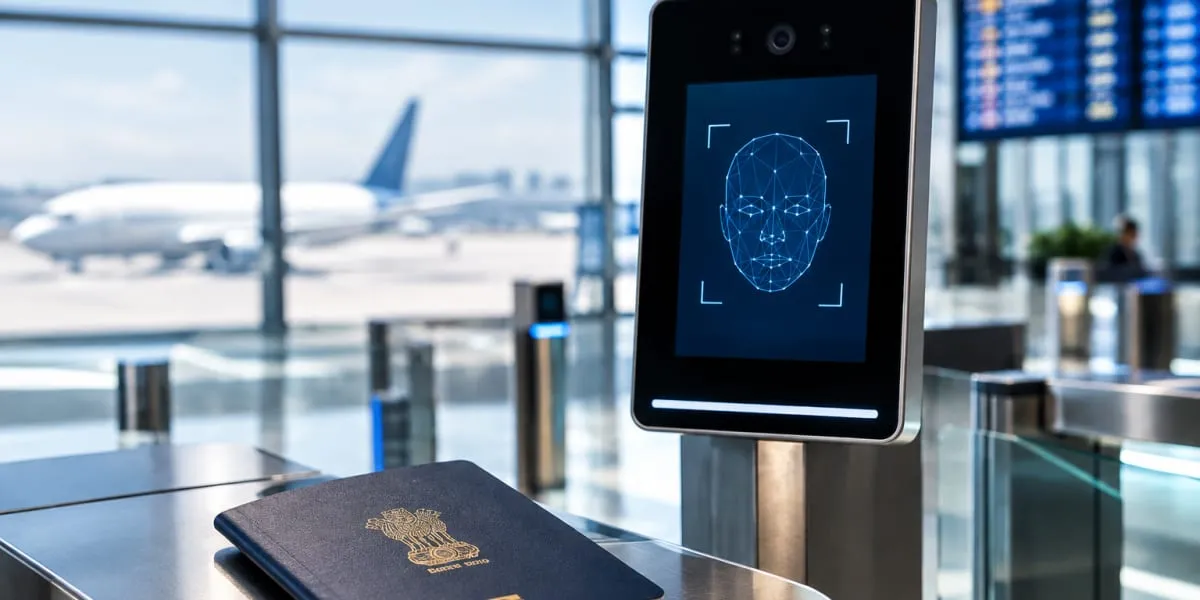
India has begun trials of Digi Yatra for international passengers at seven airports, allowing eligible Indian passport holders to use facial recognition at selected airport checkpoints. The facility is currently limited to Indian nationals with e-passports travelling on selected international flights operated by Air India and IndiGo. The Civil Aviation Ministry announced the trials on 1 November, with testing scheduled through December 2026. A wider rollout is expected in 2027 after the ministry assesses passenger feedback gathered during the trial period, according to PTI. The system is inten..

Advertisement

Subscribe to Our Newsletter

Get daily newsletters around different themes from Construction world.

STAY CONNECTED

Advertisement

SPECIAL OFFER
QR Code