Record Oil Tanker Rates Squeeze Asian Refiners as Freight Costs Surge
OIL & GAS

Record Oil Tanker Rates Squeeze Asian Refiners as Freight Costs Surge

Asian oil refiners are facing mounting pressure on their margins as the cost of transporting crude from the Middle East rises to record levels, according to the International Energy Agency (IEA). The increase is particularly significant for the region’s refiners because they rely heavily on crude supplies from Middle Eastern producers.

Freight rates have surged as crude cargoes travelling through the Strait of Hormuz are transferred to secondary tankers for onward delivery to Asian markets. The additional handling and longer shipping arrangements have significantly increased transportation costs for refiners and raised the delivered price of crude.

The freight rate for a Very Large Crude Carrier (VLCC) moving oil from the Middle East Gulf to Asia had climbed to about $36 per barrel by early October, the IEA said. The level was more than five times the rate prevailing before the Iran war, adding to the financial strain on companies processing imported crude.

Asian refiners can diversify purchases towards US crude, but freight costs on those routes have also risen sharply. Transportation costs from the US Gulf Coast to China had exceeded $37 per barrel, limiting the savings available from switching suppliers and weakening the benefit of alternative sourcing.

The IEA said margins for Asian refiners processing medium sour crude fell into negative territory in September as transportation costs increased. Higher freight expenses are feeding directly into crude costs, while disruption to Middle Eastern oil flows is reshaping trading routes and increasing the expense of supplies for buyers located farther from producing regions.

The combination of elevated crude prices and record tanker rates means that securing alternative supplies remains costly even when refiners reduce their reliance on traditional Middle Eastern cargoes. The higher logistics burden is therefore continuing to weigh on refining economics across Asian markets.

Asian oil refiners are facing mounting pressure on their margins as the cost of transporting crude from the Middle East rises to record levels, according to the International Energy Agency (IEA). The increase is particularly significant for the region’s refiners because they rely heavily on crude supplies from Middle Eastern producers. Freight rates have surged as crude cargoes travelling through the Strait of Hormuz are transferred to secondary tankers for onward delivery to Asian markets. The additional handling and longer shipping arrangements have significantly increased transportation costs for refiners and raised the delivered price of crude. The freight rate for a Very Large Crude Carrier (VLCC) moving oil from the Middle East Gulf to Asia had climbed to about $36 per barrel by early October, the IEA said. The level was more than five times the rate prevailing before the Iran war, adding to the financial strain on companies processing imported crude. Asian refiners can diversify purchases towards US crude, but freight costs on those routes have also risen sharply. Transportation costs from the US Gulf Coast to China had exceeded $37 per barrel, limiting the savings available from switching suppliers and weakening the benefit of alternative sourcing. The IEA said margins for Asian refiners processing medium sour crude fell into negative territory in September as transportation costs increased. Higher freight expenses are feeding directly into crude costs, while disruption to Middle Eastern oil flows is reshaping trading routes and increasing the expense of supplies for buyers located farther from producing regions. The combination of elevated crude prices and record tanker rates means that securing alternative supplies remains costly even when refiners reduce their reliance on traditional Middle Eastern cargoes. The higher logistics burden is therefore continuing to weigh on refining economics across Asian markets.

Related Stories

Gold Stories

Next Story
Infrastructure Energy

GEON Commissions 10 MW/20 MWh BESS in Jaisalmer

GEON, the future technologies division of Kabra Extrusiontechnik, has commissioned a 10 MW/20 MWh battery energy storage system (BESS) in Jaisalmer, Rajasthan, on an engineering, procurement and construction (EPC) basis.Executed in accordance with the Rajasthan Integrated Clean Energy Policy, 2024, the project covered detailed engineering and design, equipment procurement and supply, installation, testing and commissioning.The system has a power capacity of 10 MW and an energy storage capacity of 20 MWh. It is designed to improve energy management, support grid stability and facilitate the int..
Next Story
Infrastructure Urban

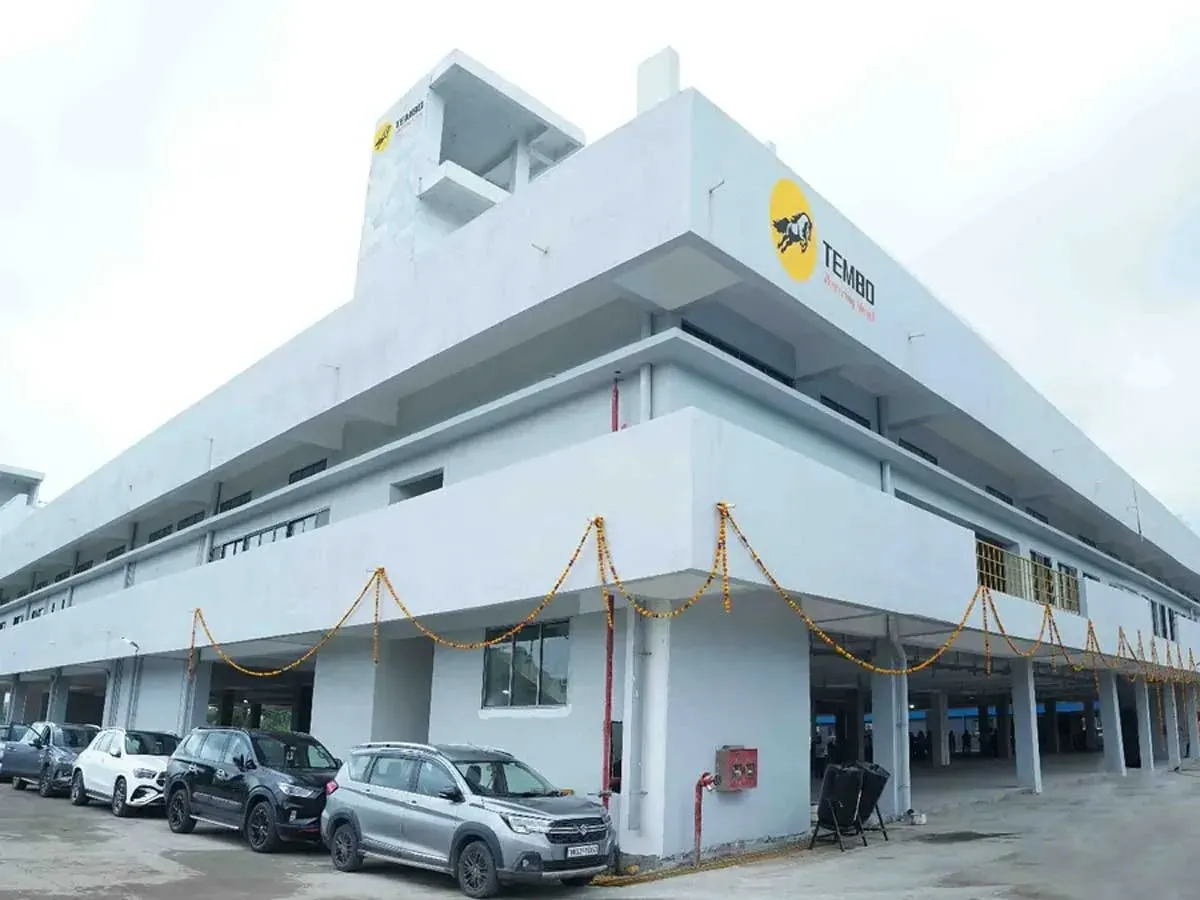
Tembo Lists on BSE, Expands Defence Manufacturing Plans

Tembo Global Industries has listed its equity shares on the Main Board of BSE while expanding its focus on defence manufacturing and unmanned aerial vehicle (UAV) technologies alongside its existing engineering and industrial businesses.Through its subsidiary, Tembo Classic Engineering, the company is developing manufacturing capabilities in small arms and ammunition. Its defence facility in Amravati, Maharashtra, is under development, with commercial production targeted for Q1 FY2028. The subsidiary has obtained government licences for ammunition and small-arms manufacturing.The company is co..
Next Story
Infrastructure Urban

Bondada Gets NSE In-Principle Nod for Main Board Migration

Bondada Engineering has received in-principle approval from the National Stock Exchange of India (NSE) to migrate its equity shares from the BSE SME Platform to NSE’s Capital Market Segment, or Main Board.The approval, conveyed through a letter dated 14 October 2026, follows BSE’s in-principle approval on 9 September 2026 for migration to its Main Board. The company now holds preliminary approvals to establish a presence on the Main Boards of both exchanges.Bondada Engineering will complete the subsequent formalities required under applicable regulatory and stock exchange requirements. The..

Advertisement

Subscribe to Our Newsletter

Get daily newsletters around different themes from Construction world.

STAY CONNECTED

Advertisement

SPECIAL OFFER
QR Code