Data Centres’ Electricity Share May Reach 2 Per Cent in Decade
POWER & RENEWABLE ENERGY

Data Centres’ Electricity Share May Reach 2 Per Cent in Decade

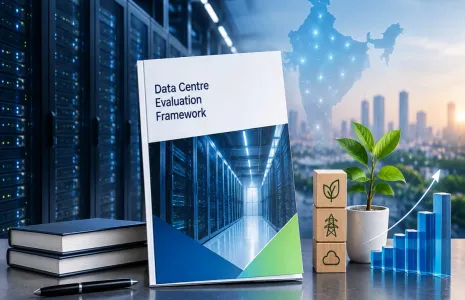
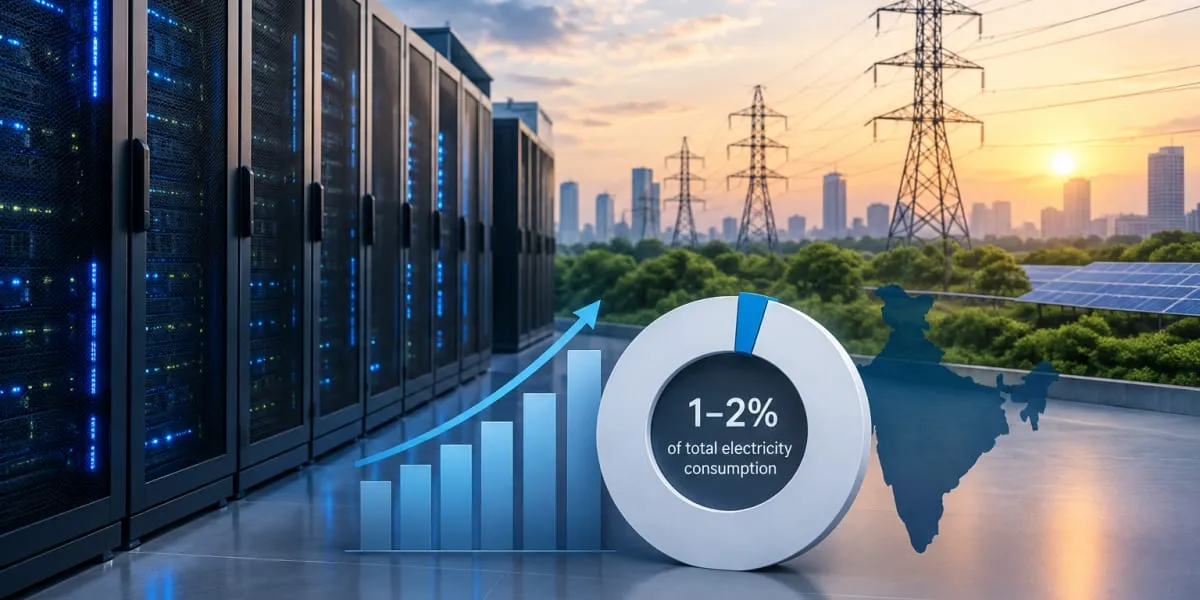
Data centres could account for 1 to 2 per cent of India’s total electricity consumption over the next decade, compared with around 0.5 per cent currently, as the country expands its digital infrastructure, NITI Aayog Member Abhay Karandikar said on Wednesday. He was speaking at an event in New Delhi to release the Data Centre Set-Up Evaluation Framework Report.

Karandikar said electricity demand would rise as data centres expand, adding that India had a roadmap to meet the additional requirement. He noted that data centres in the United States and Europe account for about 2 to 5 per cent of total electricity consumption, a higher share than India’s current level.

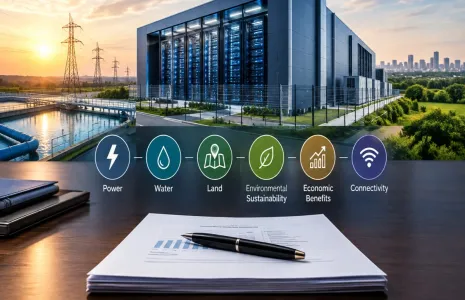
The projected increase is expected to add pressure on the availability of electricity and water, particularly as demand for artificial intelligence and other digital services grows. Karandikar said the government was working to increase energy supply through renewable sources and potentially nuclear power in the coming years.

The newly released framework provides guiding principles and a methodology for assessing data centre proposals, including their electricity and water requirements. Water is primarily used to cool servers, but advances in cooling technology could reduce consumption and create opportunities for Indian technology companies, he said.

Major data centres are currently concentrated in Mumbai, Chennai and the Delhi-NCR region. Future expansion could reach Lucknow, Bengaluru, Hyderabad and Pune as states make land, electricity and water available. On 6G telecommunications, Karandikar said some spectrum bands had been identified, while further decisions at the World Radiocommunication Conference could help identify additional bands around 6 GHz. India has 4 years to plan spectrum requirements for 2030, including possible coexistence with satellite services. He added that foreign satellite communication companies could support broadband expansion under licensing conditions while India protects its national interests and develops domestic technology.

Data centres could account for 1 to 2 per cent of India’s total electricity consumption over the next decade, compared with around 0.5 per cent currently, as the country expands its digital infrastructure, NITI Aayog Member Abhay Karandikar said on Wednesday. He was speaking at an event in New Delhi to release the Data Centre Set-Up Evaluation Framework Report. Karandikar said electricity demand would rise as data centres expand, adding that India had a roadmap to meet the additional requirement. He noted that data centres in the United States and Europe account for about 2 to 5 per cent of total electricity consumption, a higher share than India’s current level. The projected increase is expected to add pressure on the availability of electricity and water, particularly as demand for artificial intelligence and other digital services grows. Karandikar said the government was working to increase energy supply through renewable sources and potentially nuclear power in the coming years. The newly released framework provides guiding principles and a methodology for assessing data centre proposals, including their electricity and water requirements. Water is primarily used to cool servers, but advances in cooling technology could reduce consumption and create opportunities for Indian technology companies, he said. Major data centres are currently concentrated in Mumbai, Chennai and the Delhi-NCR region. Future expansion could reach Lucknow, Bengaluru, Hyderabad and Pune as states make land, electricity and water available. On 6G telecommunications, Karandikar said some spectrum bands had been identified, while further decisions at the World Radiocommunication Conference could help identify additional bands around 6 GHz. India has 4 years to plan spectrum requirements for 2030, including possible coexistence with satellite services. He added that foreign satellite communication companies could support broadband expansion under licensing conditions while India protects its national interests and develops domestic technology.

Related Stories

Gold Stories

Next Story
Resources

Kalpataru Projects International elevates Amit Uplenchwar as Joint MD and CEO

Kalpataru Projects International (KPIL) has elevated Amit Uplenchwar as Joint Managing Director and CEO (designate), following approval by its board on 5 November 2026. He will take charge as Additional Director, Joint Managing Director and CEO from 1 January 2027 for a five-year term ending 31 December 2031, subject to shareholders' approval.Uplenchwar brings over three decades of experience in corporate strategy, business operations, business development, mergers and acquisitions, and international business management. His experience spans transportation, power, water, oil and gas, aerospace..
Next Story
Resources

HCC appoints Vivek Singhal as CEO

Hindustan Construction Company (HCC) has appointed Vivek Singhal as Chief Executive Officer, effective 5 November 2026. He brings over four decades of experience in infrastructure and engineering, procurement and construction (EPC), covering project execution, business leadership, business development and profit and loss management.Singhal has spent 16 years in international markets, delivering projects and managing assets worth approximately Rs 285 billion across five countries. His experience spans airports, metro rail, urban transport, hydropower, bridges and other infrastructure sectors.He..
Next Story
Infrastructure Energy

Essar Signs PPA for 300 MW Hybrid Renewable Energy Project

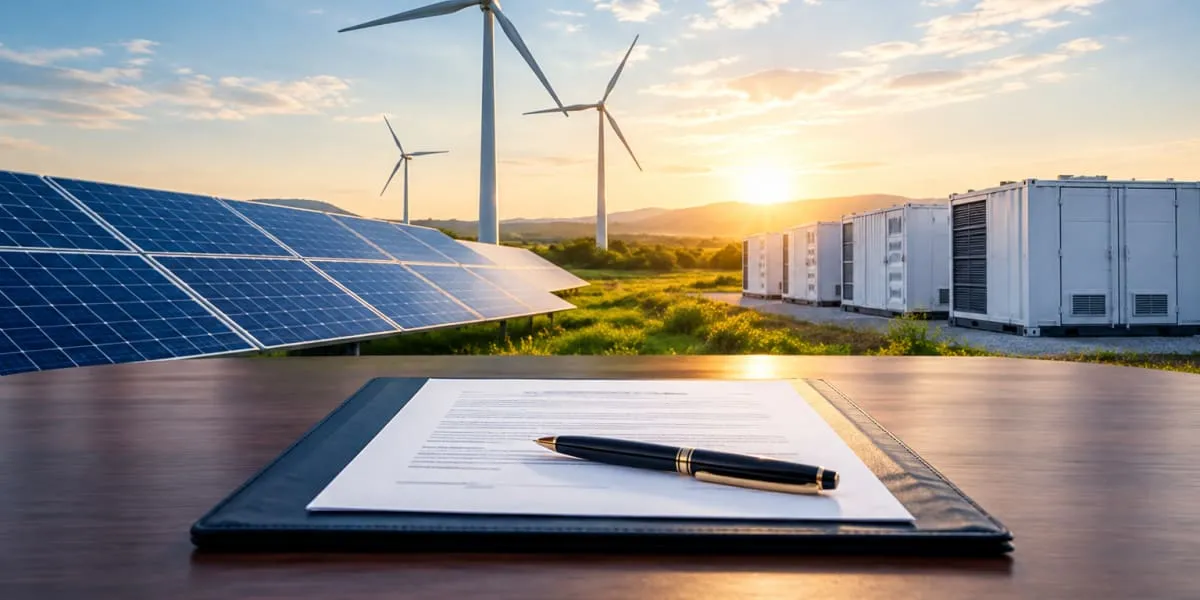
Essar Renewables, the renewable energy arm of Essar Power, has signed a Power Purchase Agreement (PPA) with NHPC for a 300 MW renewable energy project in Andhra Pradesh. The agreement follows the company’s successful bid for the project two years ago. Essar Power will invest approximately Rs. 45 bn in the development. The project will combine solar and wind generation with Battery Energy Storage Systems (BESS), enabling the supply of reliable and dispatchable renewable power. It forms part of Essar Power’s plan to build a diversified energy portfolio of approximately 5 GW across renewable,..

Advertisement

Subscribe to Our Newsletter

Get daily newsletters around different themes from Construction world.

STAY CONNECTED

Advertisement

SPECIAL OFFER
QR Code