Tamil Nadu Mandates Battery Storage for Solar Projects Above 1 MW
POWER & RENEWABLE ENERGY

Tamil Nadu Mandates Battery Storage for Solar Projects Above 1 MW

The Tamil Nadu government has mandated battery storage for every new solar project with a capacity of 1 MW or more under its Battery Energy Storage System (BESS) Policy 2026. The policy aims to create 10 GWh of storage capacity by 2029, improve grid stability, support reliable peak-hour supply and increase the use of renewable power.

New solar projects must install storage equivalent to at least 10% of their installed capacity, with the systems capable of discharging for four hours. The requirement applies to projects applying on or after the policy notification date and to projects commissioned from April 1, 2027.

New substations pooling renewable power must install standalone storage equal to at least 10% of their sanctioned capacity. Existing substations must add storage equivalent to 5% in 2027-28 and a further 5% in 2028-29, as the state currently cannot utilise around 3,000-4,000 MW of solar power during the day.

Tamil Nadu Power Distribution Corporation will procure 2,500 MW, or 10,000 MWh, of battery storage in the first phase through competitive bidding. The prices will require approval from the Tamil Nadu Electricity Regulatory Commission, while Tamil Nadu Green Energy Corporation will act as the nodal agency for implementing the policy.

The policy covers standalone storage facilities, systems integrated with solar and wind projects, and installations supporting transmission and distribution networks. Existing solar and wind projects can add storage without further approvals, while eligible projects commissioned during the policy period will receive a 10-year waiver of wheeling and transmission charges if the discharged energy is used within the state.

The government has also launched a renewable energy application portal covering solar, wind, hybrid wind-solar and battery storage projects. Developers can register, submit documents, pay fees, complete technical scrutiny, undertake load-flow studies and obtain grid connectivity approvals online, while also tracking applications, correcting deficiencies and downloading approval orders.

The Tamil Nadu government has mandated battery storage for every new solar project with a capacity of 1 MW or more under its Battery Energy Storage System (BESS) Policy 2026. The policy aims to create 10 GWh of storage capacity by 2029, improve grid stability, support reliable peak-hour supply and increase the use of renewable power. New solar projects must install storage equivalent to at least 10% of their installed capacity, with the systems capable of discharging for four hours. The requirement applies to projects applying on or after the policy notification date and to projects commissioned from April 1, 2027. New substations pooling renewable power must install standalone storage equal to at least 10% of their sanctioned capacity. Existing substations must add storage equivalent to 5% in 2027-28 and a further 5% in 2028-29, as the state currently cannot utilise around 3,000-4,000 MW of solar power during the day. Tamil Nadu Power Distribution Corporation will procure 2,500 MW, or 10,000 MWh, of battery storage in the first phase through competitive bidding. The prices will require approval from the Tamil Nadu Electricity Regulatory Commission, while Tamil Nadu Green Energy Corporation will act as the nodal agency for implementing the policy. The policy covers standalone storage facilities, systems integrated with solar and wind projects, and installations supporting transmission and distribution networks. Existing solar and wind projects can add storage without further approvals, while eligible projects commissioned during the policy period will receive a 10-year waiver of wheeling and transmission charges if the discharged energy is used within the state. The government has also launched a renewable energy application portal covering solar, wind, hybrid wind-solar and battery storage projects. Developers can register, submit documents, pay fees, complete technical scrutiny, undertake load-flow studies and obtain grid connectivity approvals online, while also tracking applications, correcting deficiencies and downloading approval orders.

Related Stories

Gold Stories

Next Story
Equipment

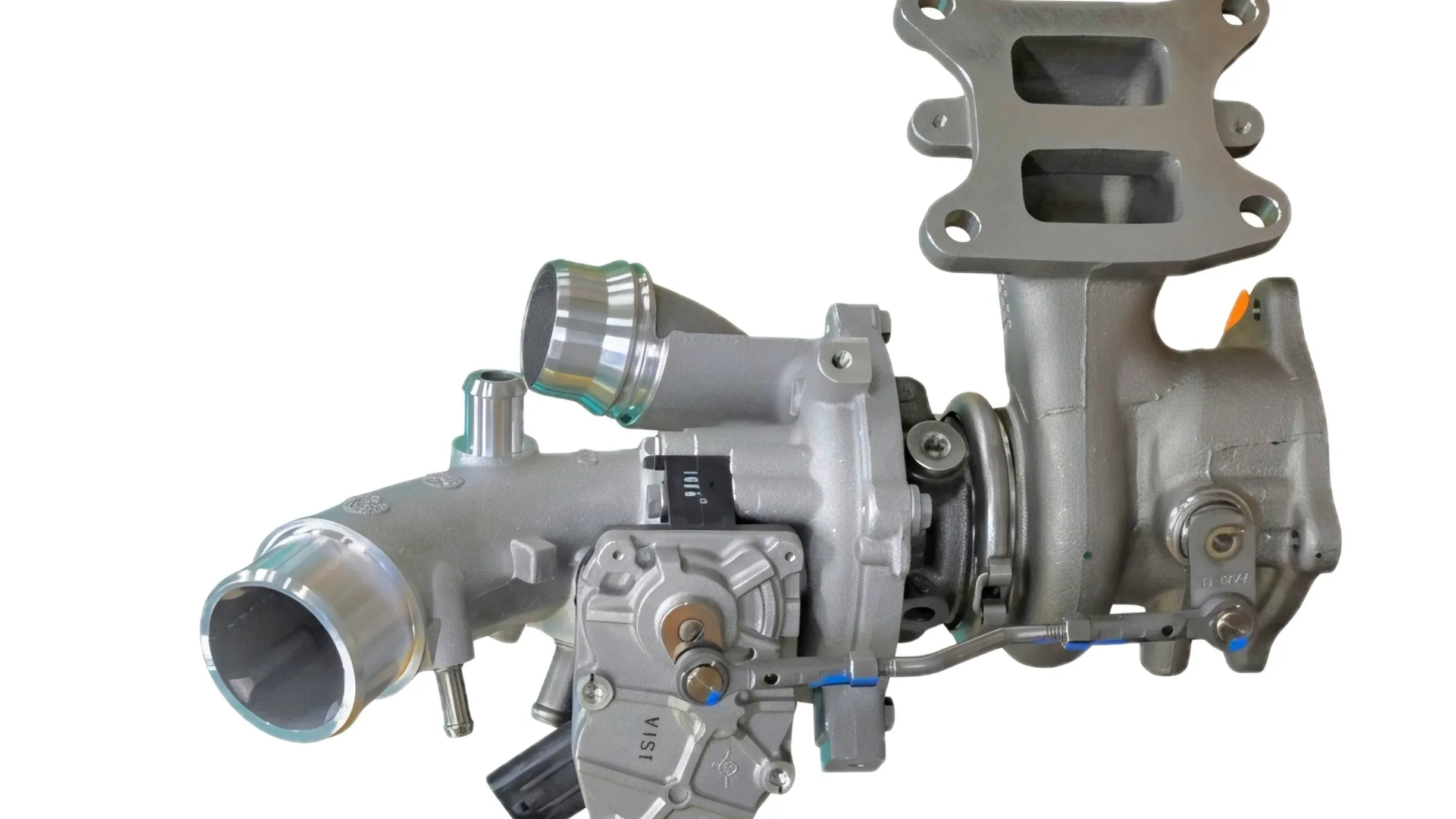
BorgWarner secures three turbocharger contracts with global powertrain leader

BorgWarner has secured three new turbocharger contracts with a global powertrain technology company. The wins comprise one contract for its variable turbine geometry (VTG) turbocharger and two for its wastegate turbocharger. The technologies will be deployed in the customer's light-vehicle gasoline platforms in South America and Europe, with production scheduled to begin in 2027.The VTG turbochargers are designed for gasoline engines operating under demanding conditions and high-boost pressure requirements. They are engineered to support Miller-cycle engines and withstand exhaust temperatures ..

Next Story
Infrastructure Transport

International Digi Yatra Trials Begin at Seven Airports

India has begun trials of Digi Yatra for international passengers at seven airports, allowing eligible Indian passport holders to use facial recognition at selected airport checkpoints. The facility is currently limited to Indian nationals with e-passports travelling on selected international flights operated by Air India and IndiGo. The Civil Aviation Ministry announced the trials on 1 November, with testing scheduled through December 2026. A wider rollout is expected in 2027 after the ministry assesses passenger feedback gathered during the trial period, according to PTI. The system is inten..

Next Story
Infrastructure Transport

Air India Plans More Wide-Body Jets, CEO Signals Profitability Soon

Air India is seeking to expand its order for wide-body aircraft as it works to increase international passenger traffic, chief executive Tewolde Gebremariam said on Tuesday. The Tata Group-owned carrier is also targeting a return to profitability in the near term, as its turnaround programme addresses fleet, network and service challenges. The comments came months after Gebremariam took charge of the airline. Gebremariam, who previously led Ethiopian Airlines, said the airline wanted more wide-body aircraft. Air India has held discussions with Boeing and Airbus while assessing the economics of..

Advertisement

Subscribe to Our Newsletter

Get daily newsletters around different themes from Construction world.

STAY CONNECTED

Advertisement

SPECIAL OFFER
QR Code