Recoverable Modular Slab Formwork
Equipment

Recoverable Modular Slab Formwork

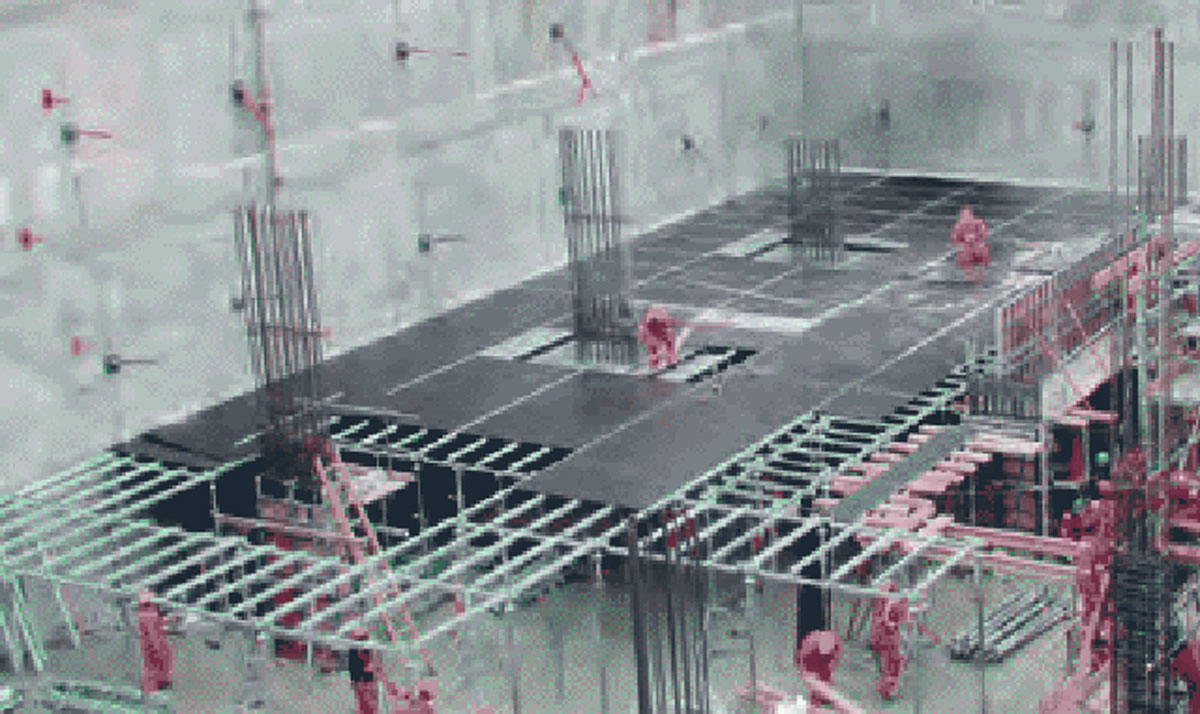
ONADEK is a high-performing slab formwork system with easy assembly and maximum flexibility, especially for commercial and multi-car parking buildings where the use of flat slabs is inevitable....

ONADEK is a high-performing slab formwork system with easy assembly and maximum flexibility, especially for commercial and multi-car parking buildings where the use of flat slabs is inevitable. It is ideal for making any type of slab, including those with complex geometries that incorporate drop beams, columns or shearing walls.Advantages Time Saved: Because of the lightweight, assembly is systematic and intuitive, with low possibility of error. Early striking of the main structure is possible due to the ONADEK drop-head system, allowing the equipment to be recovered after 3 days to be reused. Improved Safety: Components are easy to move by hand, allowing for a hang-and-raise assembly from the bottom up. This, together with drop-heads, makes the stripping process safe, and an open and clean ground area puts this system at the forefront of safety. High Durability: Robust components in highstrength galvanised steel paired with the ability to dismantle systematically, without components falling to the ground, makes this system long-lasting with a low replacement rate. Cost Efficient: Less equipment needed, lower delivery costs, lower labour costs and less damage with lower maintenance costs makes the ONADEK a leader in costeffective shoring systems. Benefits Modular system: As a modular system, it has a quick, basic training process. Lightweight components easily handled by only one worker. Designed to minimise assembly mistakes. Flexible system: Adaptable to any kind of geometry, solutions for starts and all kind of infillings (columns, walls, hang beams, and capitals). Possibility to overlap lying timber beams. Capable of sustaining slab thicknesses from 50 mm to 650 mm (depending on the floor to floor height). Patented: Innovative overlapping metallic beams. Fast assembly and dismantling: Most of the formwork can be dismantled and reused on the third day, leaving the drop-head together with its prop as the only remaining component. Easy and safe stripping due to the drop-head system, which drops the deck by 120 mm, without letting it fall to the groundLess equipment required to execute the same area: Up to 50 per cent savings on equipment compared to a traditional timber beam system, due to early striking also savings on plywood cost. More free time for the crane to dedicate to other activities, due to lower requirements for the movement of packages on site. Savings in delivery and warehousing cost Less equipment needed on site. Hence, savings on delivery cost.Components are rectangular hollow section tubes, hence occupies lesser storage space. Less damage, low maintenance: Robust components in highstrength galvanised steel which are protected against the damage of impact. Less damage to plywood due to system protected edges with no need for nailing. Also, the main grid measures same as full size plywood, therefore no need to cut the plywood. Avoids extra replacement costs for scrap timber beams, compared to traditional timber beam systems.(Communication by the management of the company)

Next Story
Infrastructure Energy

Aroma Solar Launches 1.2 GW AI Solar Module Facility

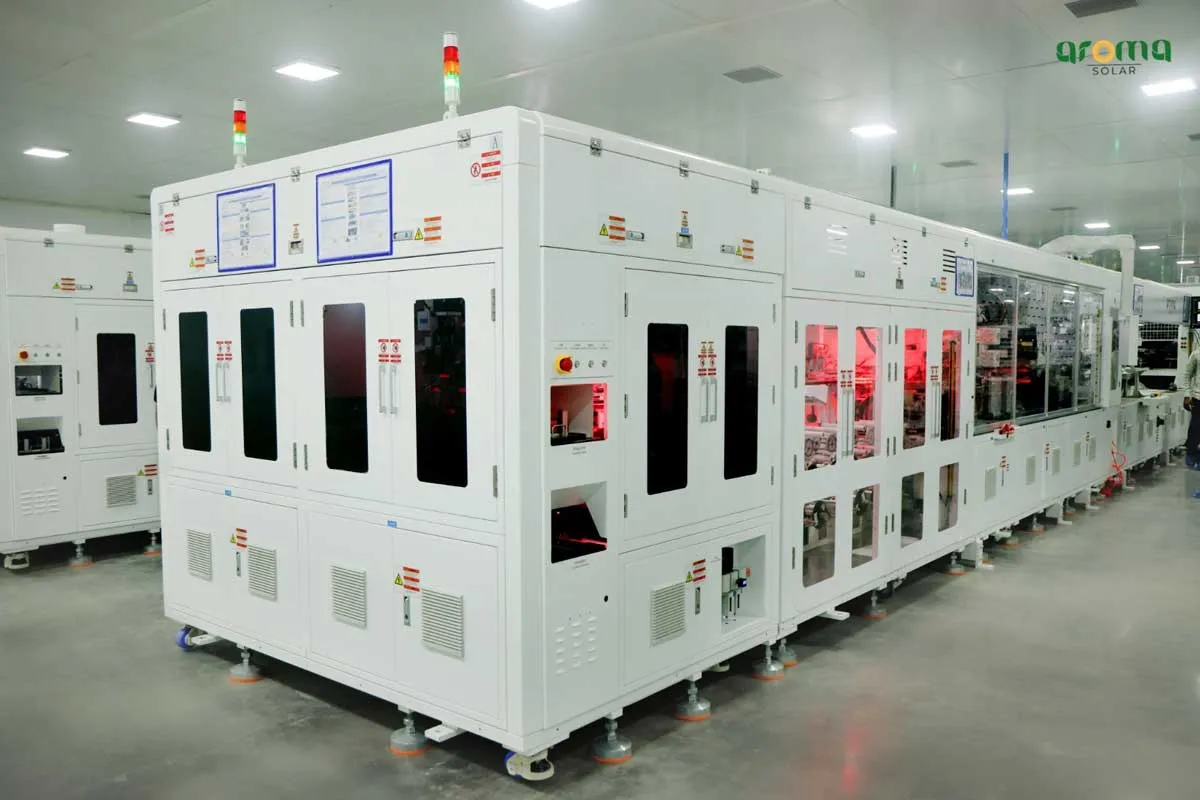
Aroma Solar has commenced operations at its 1.2 GW solar module manufacturing facility in Karnal, marking North India’s first fully automated, AI-driven production line based on TOPCon technology. The plant strengthens domestic manufacturing capabilities while aligning with India’s renewable energy ambitions.The facility has started producing TOPCon modules rated between 620 W and 635 W, with an efficiency of 23.51 per cent. Designed with a focus on process precision and module consistency, the plant integrates 100 per cent robotic automation with AI-based quality verification. This ensure..
Next Story
Infrastructure Urban

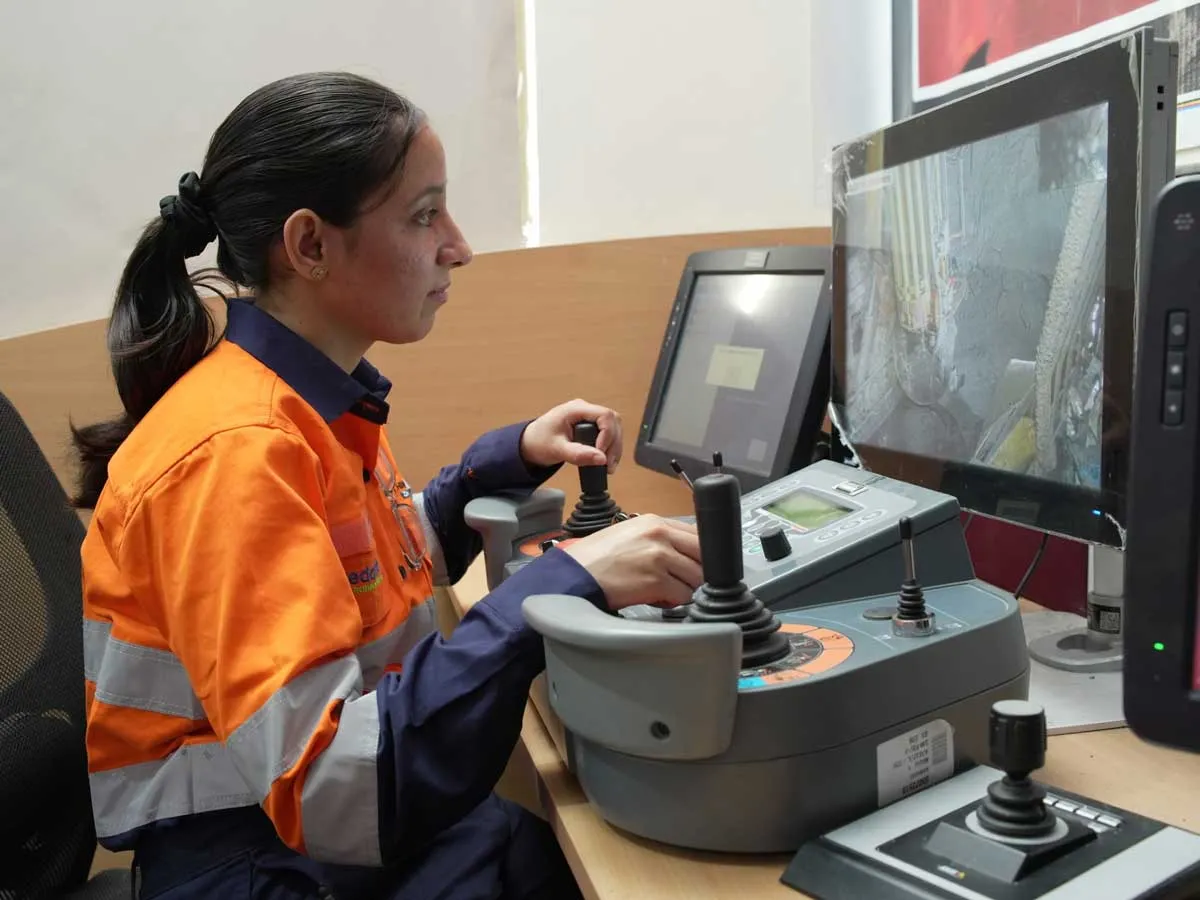
Hindustan Zinc Deploys Tele-Remote Drilling at Rajpura Dariba

Hindustan Zinc has deployed an advanced tele-remote drilling system at its Rajpura Dariba mine in Rajasthan, strengthening its push towards digitally enabled and highly automated underground mining operations. The system allows engineers to operate drilling equipment remotely from the surface with real-time precision, improving both safety and efficiency.Currently effective across a range of 600 m and scalable up to 800 m, the technology delivers drilling speeds of around 60 m per hour. Supported by strong wireless connectivity, it enables continuous drilling across shifts, improving utilisati..
Next Story
Infrastructure Energy

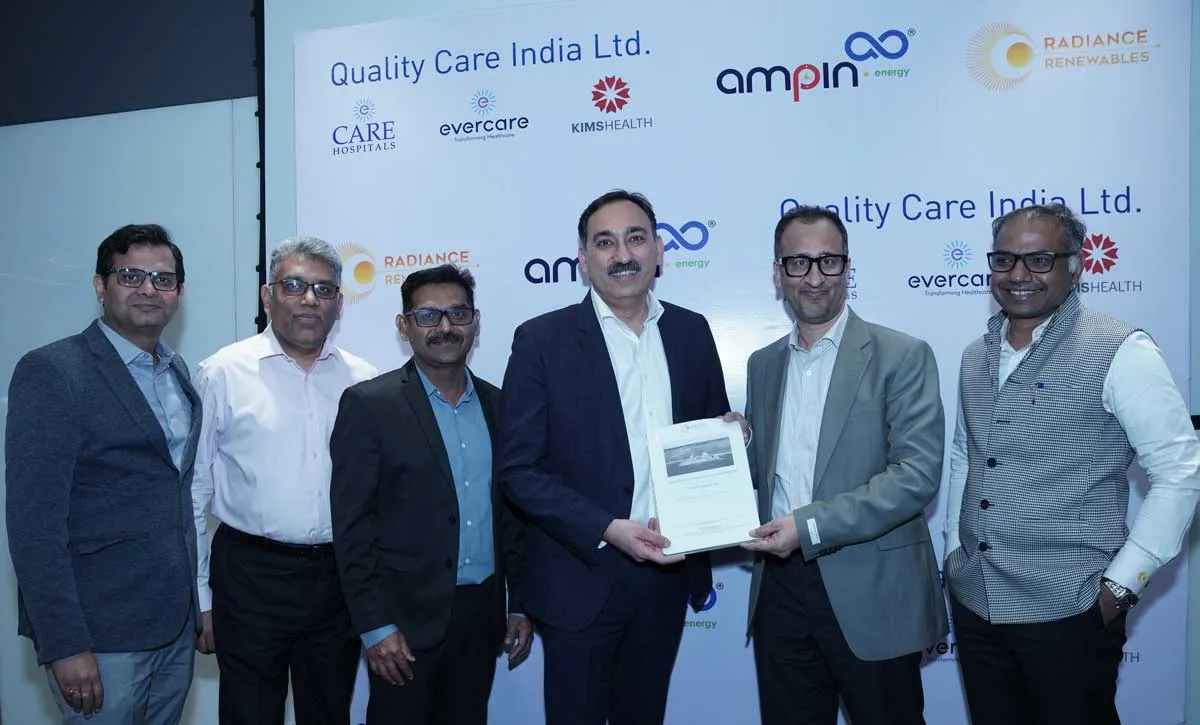
QCIL Begins Solar Shift Across Five Hospital Facilities

Quality Care India (QCIL) has signed agreements with AMPIN Energy and Radiance Renewables under its Group Captive Solar Initiative to procure renewable solar power for five facilities across Odisha, Chhattisgarh and Maharashtra. The move marks the first phase of the healthcare platform’s structured transition to sustainable energy.The initiative forms part of QCIL’s broader plan to shift 19 hospitals under CARE Hospitals and KIMS Health to renewable energy in phases. Phase I covers Odisha, Chhattisgarh and Maharashtra, followed by Andhra Pradesh and Tamil Nadu in Phase II, Kerala in Phase ..

Advertisement

Subscribe to Our Newsletter

Get daily newsletters around different themes from Construction world.

STAY CONNECTED

Advertisement

Advertisement

Advertisement