Will the RERA, GST and REITs reforms bring out the desired impact for real estate in 2019?
Real Estate

Will the RERA, GST and REITs reforms bring out the desired impact for real estate in 2019?

2017 was a bad year for Indian realty. Launches dulled as the industry reeled under the impact of demonetisation and the newly introduced Real Estate (Regulation and Development) Act (RERA) and Goods and Service Tax (GST). "In 2017, developers were in the process of recalibrating...

2017 was a bad year for Indian realty. Launches dulled as the industry reeled under the impact of demonetisation and the newly introduced Real Estate (Regulation and Development) Act (RERA) and Goods and Service Tax (GST). "In 2017, developers were in the process of recalibrating their business model to align themselves with the industry scenario post the implementation of RERA and GST," observes Samantak Das, National Director and Chief Economist, Research and REIS, JLL India. Fastforward to 2018. The dust around RERA showed signs of settling. "In 2018, we saw the teething problems of RERA and GST fast settling and substantial growth in new launches," adds Das. Post RERA, some developers opted not to do it alone. Others kept an eye on existing project deadlines. "We have seen a surge in the number of JVs and developments post RERA," notes Joe Verghese, Managing Director, Colliers International India. "Overall, there was also a renewed focus on project completion." So much for the supply of property. What about demand? "Sales in the first nine months have shown positive growth in the top seven cities," says Das. Between January and September 2018, 36.4 million sq ft of commercial real estate was absorbed in the major seven cities, about 26 per cent higher than the previous year, says Verghese. "Grade-A office buildings have had a good run in 2018 because there is a dearth of supply and huge demand for that category," observes Anuj Puri, Chairman, Anarock Property Consultants. "Industrial property did reasonably on account of several beneficial policies. Hospitality did not exactly thrive but did not lose much ground either, but residential property certainly did not see any convincing revival in 2018," adds Puri. Outlook for 2019 Warehousing may see a lot of action in 2019. "With logistics being granted infrastructure status in November 2017 and e-commerce strengthening, the logistics and warehousing segment is expected to witness significant growth," says Anshuman Magazine, Chairman, India and South-East Asia, CBRE. In the commercial realty segment, Arvind Nandan, Executive Director, Research, Knight Frank India, expects co-working spaces to become a serious consideration among large corporate occupiers and greenfield investments in commercial real estate to gain strength next year. Turn to the residential space, and Magazine expects affordable housing to be the key driver in 2019. "Conferring infrastructure status to affordable housing and announcing various tax incentives will attract more prominent developers," he says. Residential property developers are hoping for more supportive government policies and benefits to encourage home purchases as well as boost project development, says Puri. The government may please take note. - CHARU BAHRI Share your views on the Real Estate sector in India at feedback@ConstructionWorld.in Related Links India’s Top Builders on the expected impact of RERA, GST and REITs for real estate in 2019! Here are three key trends that emerged in residential real estate in 2018! Has RERA transformed Indian real estate sector into an investor-friendly market? REITs: A boon to DLF, Prestige, Indiabulls, Essar to sell their stake to international institutional investors Government policies: GST, Insolvency Code, FDI, Delhi Land Pooling, Mumbai DP, driving real estate growth…

Next Story
Equipment

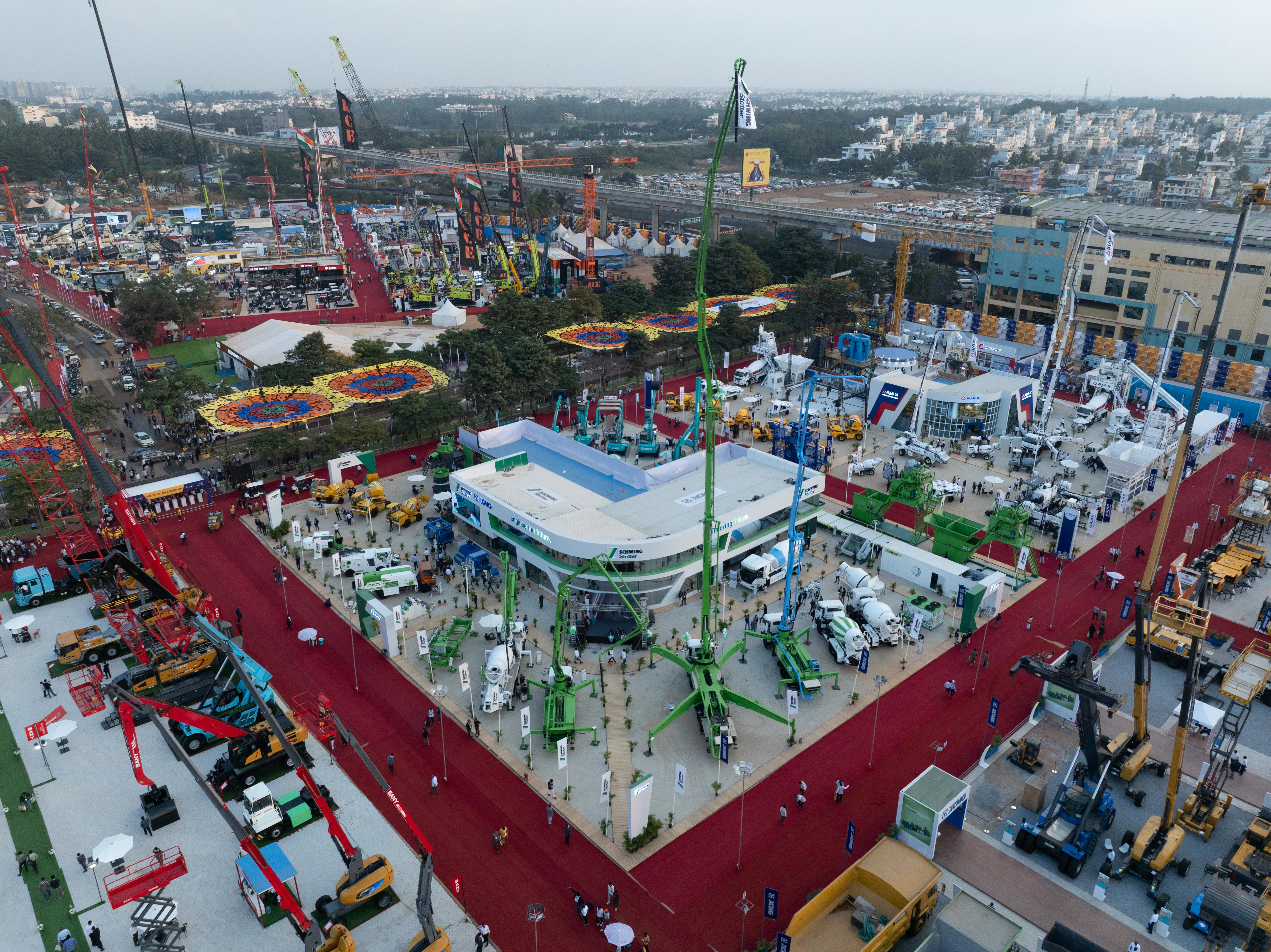
Schwing Stetter India Unveils New Innovations at Excon 2025

Schwing Stetter India unveiled more than 20 new machines at Excon 2025, marking one of its most significant showcases and introducing several India-first technologies to the construction equipment sector. The company launched the country’s first 56-metre boom pump designed and manufactured in India, the first fully electric truck mixer, the first CNG mixer variant and the first hybrid boom pump. Executives said the launch portfolio was engineered to support India’s move toward faster, greener and more vertically oriented infrastructure through advanced engineering, clean-energy solutions a..
Next Story
Infrastructure Energy

SEPC Resolves Hindustan Copper Dispute, Wins Rs 725 Mn Order

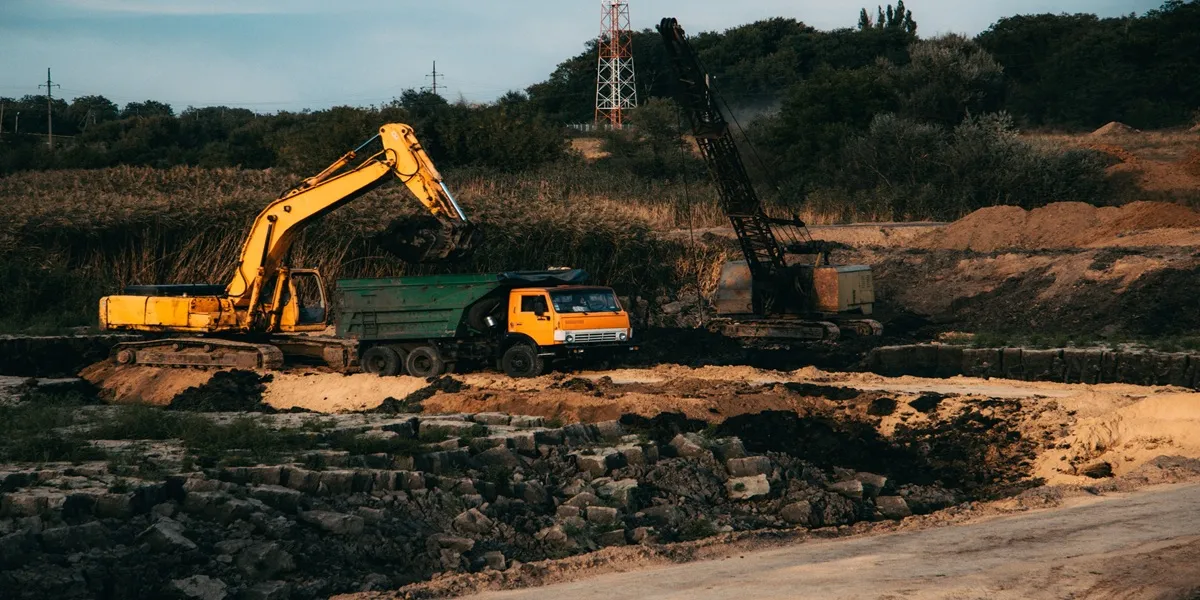
Engineering, procurement and construction firm SEPC Ltd has recently settled a dispute with Hindustan Copper Ltd (HCL) and secured a mining infrastructure order valued at Rs 725 million from the state-owned company. SEPC informed the stock exchanges that it has executed a settlement deed with HCL, bringing closure to all inter-se claims and counterclaims arising from arbitration proceedings. As part of the settlement, SEPC will receive Rs 304.5 million as full and final payment, marking the resolution of all pending disputes between the two entities. The company also stated that Hindustan Co..
Next Story
Infrastructure Energy

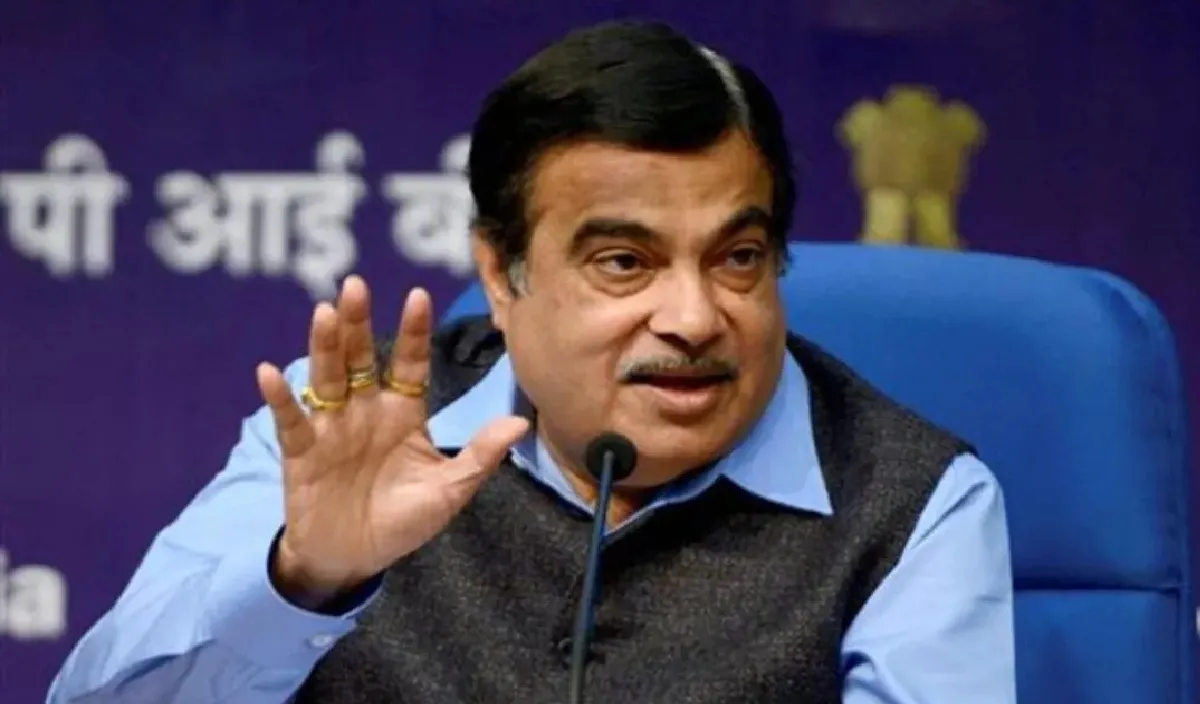
20% Ethanol Blending Cuts India’s CO2 Emissions by 73.6 Mn Tonnes

Union Road Transport and Highways Minister Nitin Gadkari recently said that India has reduced carbon dioxide emissions by 73.6 million metric tonnes due to the adoption of 20 per cent ethanol blending in petrol. He made the statement while replying to supplementary questions during the Question Hour in the Lok Sabha. Describing ethanol as a green fuel, the minister said it plays a key role in reducing pollution while also supporting higher incomes for farmers. He underlined that ethanol blending contributes both to environmental sustainability and rural economic growth. Nitin Gadkari also po..

Advertisement

Subscribe to Our Newsletter

Get daily newsletters around different themes from Construction world.

STAY CONNECTED

Advertisement

Advertisement

Advertisement

Advertisement

Open In App