+
Homebuyers have the right to choose between RERA and Consumer Forum
Real Estate

Homebuyers have the right to choose between RERA and Consumer Forum

 
Real estate companies since the advent of RERA, have reiterated that homebuyers cannot file complaints against them in consumer forum. On the same lines real estate firm M/s Imperia Structures raised the contention that once the RERA came into force all the queries related to construction and completion of the property have to be dealt with under this law. 
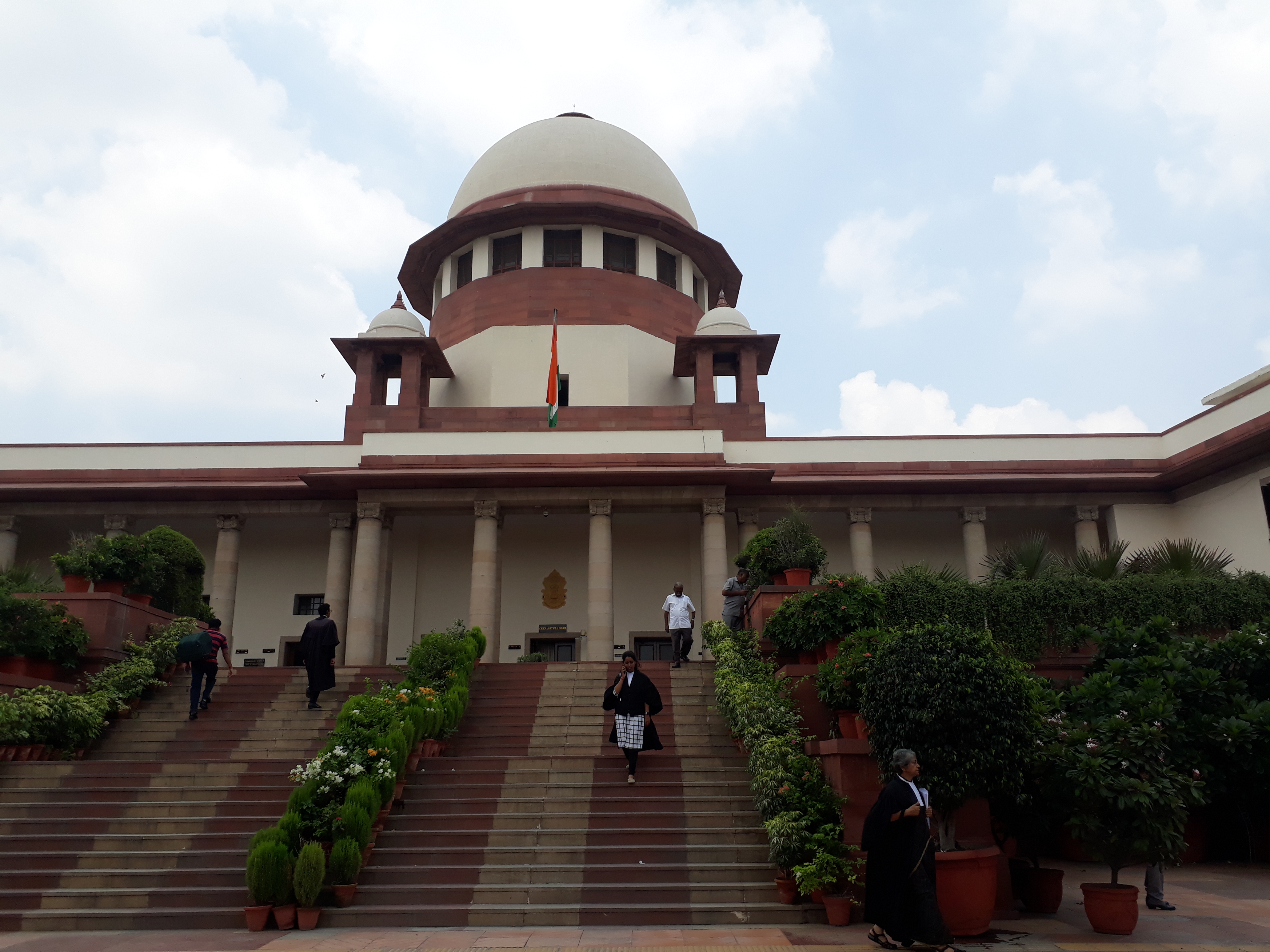
Supreme Court on Monday declined this contention.

M/s Imperia Structures had filed an appeal against the judgment of the NCDRC on the complaint of 10 homebuyers of its housing scheme called the ESFERA in Sector 13C, Gurgaon, Haryana. The project was launched in 2011 and the complainants had booked their apartments in 2011-12 by paying the booking amounts and later approached the NCDRC alleging that despite the lapse of 42 months there was no chance for them to get the possession of their dream homes.
 
While deciding on the appeal Supreme Court made it clear that despite the enactment of the Real Estate (Regulation and Development) Act, 2016, homebuyers can approach Consumer Forum for refund and compensation against real estate firms. And imposed costs of Rs.50,000 to be paid by the builder in respect of each of the Consumer Case.
 
One of the conclusions arrived at by the Court was “RERA is to be read harmoniously with the Code, as amended by the Amendment Act. It is only in the event of a conflict that the Code will prevail over RERA. Remedies that are given to allottees of flats or apartments are therefore concurrent remedies, such allottees of flats or apartments being in a position to avail of remedies under the Consumer Protection Act, 1986, RERA as well as the triggering of the Code.”

The bench comprising of Justices UU Lalit and Vineet Saran in its judgment mentioned “The RERA does not statutorily force a person to withdraw any such complaint nor do the provisions of the RERA Act create any mechanism for transfer of such pending proceedings to authorities under the RERA Act. Again, insofar as cases, where such proceedings under the CP Act are initiated after the provisions of the RERA Act, came into force, there is nothing in the RERA Act which bars such initiation. The absence of bar under Section 79 to the initiation of proceedings before a forum which cannot be called a Civil Court and express saving under Section 88 of the RERA Act, make the position quite clear,”

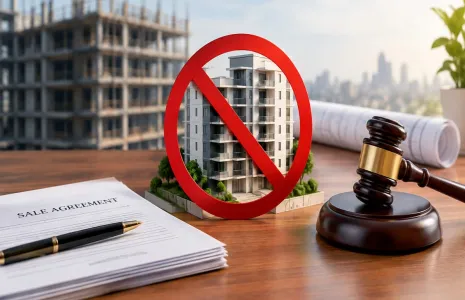
This can be construed as a landmark judgement for the homebuyers because it highlights the fact that homebuyers have the right to choose between both RERA and the Consumer Forum for initiating complaints against the builder. 

 Real estate companies since the advent of RERA, have reiterated that homebuyers cannot file complaints against them in consumer forum. On the same lines real estate firm M/s Imperia Structures raised the contention that once the RERA came into force all the queries related to construction and completion of the property have to be dealt with under this law. Supreme Court on Monday declined this contention.M/s Imperia Structures had filed an appeal against the judgment of the NCDRC on the complaint of 10 homebuyers of its housing scheme called the ESFERA in Sector 13C, Gurgaon, Haryana. The project was launched in 2011 and the complainants had booked their apartments in 2011-12 by paying the booking amounts and later approached the NCDRC alleging that despite the lapse of 42 months there was no chance for them to get the possession of their dream homes. While deciding on the appeal Supreme Court made it clear that despite the enactment of the Real Estate (Regulation and Development) Act, 2016, homebuyers can approach Consumer Forum for refund and compensation against real estate firms. And imposed costs of Rs.50,000 to be paid by the builder in respect of each of the Consumer Case. One of the conclusions arrived at by the Court was “RERA is to be read harmoniously with the Code, as amended by the Amendment Act. It is only in the event of a conflict that the Code will prevail over RERA. Remedies that are given to allottees of flats or apartments are therefore concurrent remedies, such allottees of flats or apartments being in a position to avail of remedies under the Consumer Protection Act, 1986, RERA as well as the triggering of the Code.”The bench comprising of Justices UU Lalit and Vineet Saran in its judgment mentioned “The RERA does not statutorily force a person to withdraw any such complaint nor do the provisions of the RERA Act create any mechanism for transfer of such pending proceedings to authorities under the RERA Act. Again, insofar as cases, where such proceedings under the CP Act are initiated after the provisions of the RERA Act, came into force, there is nothing in the RERA Act which bars such initiation. The absence of bar under Section 79 to the initiation of proceedings before a forum which cannot be called a Civil Court and express saving under Section 88 of the RERA Act, make the position quite clear,”This can be construed as a landmark judgement for the homebuyers because it highlights the fact that homebuyers have the right to choose between both RERA and the Consumer Forum for initiating complaints against the builder. 

Next Story
Infrastructure Urban

Implementation Status of Jal Jeevan Mission

Since August 2019 the Government has implemented Jal Jeevan Mission to provide assured potable water through household tap connections in rural India. At the start of the mission only 32.3 million (mn) rural households, representing 16.7 per cent, were reported to have tap water connections. States and union territories have reported that 125.8 mn additional rural households have since been provided with tap connections. As a result, of about 193.6 mn rural households roughly 158.2 mn, or 81.71 per cent, are reported to have tap water supply at home.\n\nThe State, district and village level st..

Next Story
Infrastructure Urban

Jal Jeevan Mission Reaches Eighty One Per Cent Rural Coverage

The Government reported substantial progress under the Jal Jeevan Mission, launched in August 2019 to provide tap water to every rural household. At launch only 32.3 million (mn) rural households had tap connections and states and Union territories reported provision of 125.8 mn additional households by March 2026. Consequently, out of about 193.6 mn rural households around 158.2 mn, or 81.71 per cent, are reported to have tap water at home. The Finance Minister announced extension of the mission until 2028 in the 2025-26 budget speech. The Swachh Bharat Mission Grameen, launched in October 20..

Next Story
Infrastructure Urban

Empowering Local Governance for Sustainable Rural Water Supply

The Ministry of Jal Shakti has aligned the Jal Jeevan Mission (JJM) with the 73rd Amendment to strengthen village level planning and community ownership of water supply. Gram Panchayats, village water and sanitation committees and Pani Samitis are to plan, implement, manage and maintain piped water systems, with gram sabha processes formalising handover and oversight. Implementation support agencies including non government organisations, community based organisations and self help groups have been empanelled to train local committees and promote women participation. Under JJM, the department ..

Advertisement

Subscribe to Our Newsletter

Get daily newsletters around different themes from Construction world.

STAY CONNECTED

Advertisement

Advertisement

Advertisement