




+
Limit our responsibility to 7 days after granting OCs
Real Estate

Limit our responsibility to 7 days after granting OCs

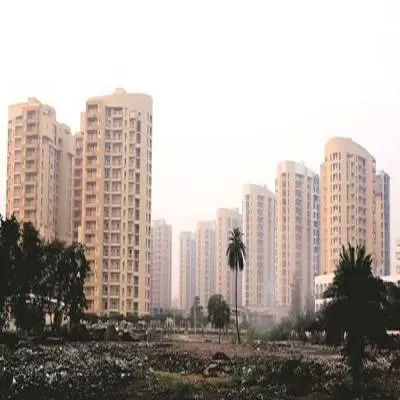
Architects authorized to issue occupation certificates (OCs) for residential buildings under the self-certification scheme are calling for a defined seven-day timeframe for their responsibilities after certificate issuance. They propose that property owners should be held accountable for any changes or rule violations in buildings occurring beyond this seven-day period. These concerns were raised by members of the Architects Association of Gurgaon during a meeting with district town planner (DTCP) officials to address issues encountered by architects when issuing OCs within the self-certification scheme.

The association members have also urged the establishment of standard operating procedures (SOPs) to inspect the finalization of building work before OCs are granted. An architect expressed their perspective, stating, "We encounter various challenges while issuing OCs for residential properties. We have appealed to the DTP to set a maximum duration of seven working days for architects' responsibility following the issuance of OCs." They added that property owners often carry out additional construction post-OC issuance, and architects are unfairly held responsible for any violations. Therefore, the department should conduct inspections of the buildings within seven days of OC issuance.

In summary, architects in Gurgaon are seeking a time limit for their responsibility in OC issuance and the implementation of SOPs to ensure compliance with construction standards. These proposals aim to address challenges faced by architects in the self-certification scheme and promote accountability among property owners.

Architects authorized to issue occupation certificates (OCs) for residential buildings under the self-certification scheme are calling for a defined seven-day timeframe for their responsibilities after certificate issuance. They propose that property owners should be held accountable for any changes or rule violations in buildings occurring beyond this seven-day period. These concerns were raised by members of the Architects Association of Gurgaon during a meeting with district town planner (DTCP) officials to address issues encountered by architects when issuing OCs within the self-certification scheme. The association members have also urged the establishment of standard operating procedures (SOPs) to inspect the finalization of building work before OCs are granted. An architect expressed their perspective, stating, We encounter various challenges while issuing OCs for residential properties. We have appealed to the DTP to set a maximum duration of seven working days for architects' responsibility following the issuance of OCs. They added that property owners often carry out additional construction post-OC issuance, and architects are unfairly held responsible for any violations. Therefore, the department should conduct inspections of the buildings within seven days of OC issuance. In summary, architects in Gurgaon are seeking a time limit for their responsibility in OC issuance and the implementation of SOPs to ensure compliance with construction standards. These proposals aim to address challenges faced by architects in the self-certification scheme and promote accountability among property owners.

Related Stories

Gold Stories
Next Story
Real Estate

The Energy-Smart Buildings

Passive design is an integral part of energy-efficient architecture. Sophisticated building systems also contribute to this end. But what role do materials play in enhancing a building’s energy-efficiency?“Material selection is one of the earliest opportunities to influence how a building performs,” says Tejbeer Singh, Principal Architect & Founder, Expressionist by Tejbeer Singh. “The objective is not simply to select materials that look appropriate but to understand how they behave within the climate and construction system.”To read the full article Click Here ..

Next Story
Infrastructure Transport

When the Lowest Bid Comes at a Cost

India's infrastructure sector is building at a scale few markets can match. New highways, expressways, metros, bridges and complex engineering projects are transforming the country's landscape. Yet, behind this rapid expansion is a growing concern within the contracting community: Can infrastructure be delivered sustainably when competition pushes prices below commercially viable levels?For Praveen Sethia, Founder & Director, Infra Advisors, who moderated the discussion, the question goes beyond the contractor's commercial interests. Contractors may be one of the two parties to a contract,..

Next Story
Real Estate

Ultra-Luxury Projects Reshape Gurugram’s Housing Market

Gurugram’s luxury housing market has expanded beyond its traditional prime locations, with corridors such as Dwarka Expressway and Golf Course Extension Road emerging as key centres for premium residential development. Larger homes, integrated developments and amenity-led communities are attracting demand from end-users and investors.A 2025 report by Sotheby’s International Realty in collaboration with CRE Matrix identified Gurugram as India’s fastest-growing ultra-luxury housing market. The city overtook Mumbai in total sales value for homes priced above Rs 10 crore, recording nearly Rs..

Advertisement

Subscribe to Our Newsletter

Get daily newsletters around different themes from Construction world.

STAY CONNECTED

Advertisement

SPECIAL OFFER
QR Code