


+
Minimalist Hotels Plans 20 New Properties in Two Years
Real Estate

Minimalist Hotels Plans 20 New Properties in Two Years

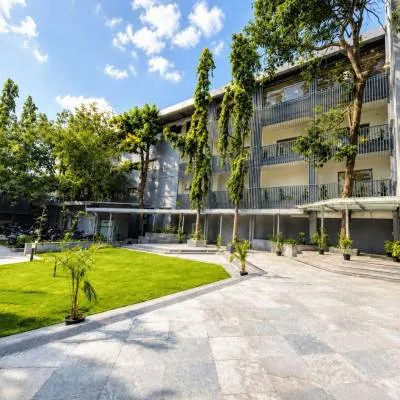
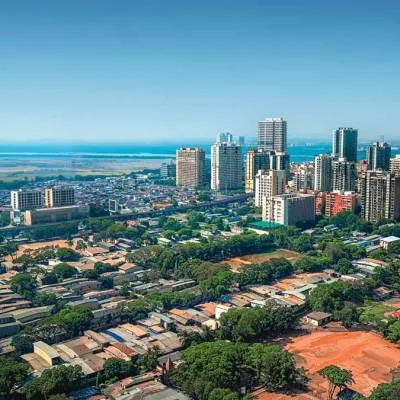
Minimalist Hotels has announced plans to expand its presence by launching 20 new properties over the next two years. The lifestyle hospitality brand aims to raise Rs 200 million to fund this phase of growth, with a focus on culturally rich and high-potential destinations such as Varanasi, NCR, Rajasthan, Goa, Mumbai, Uttarakhand, and Chandigarh.

This strategic expansion comes amid a positive outlook for the Indian hotel industry, which is projected to grow from USD 15.67 billion in 2024 to USD 22.41 billion by 2030, at a compound annual growth rate (CAGR) of 9.32 per cent. Boutique and mid-scale lifestyle hotels, especially in Tier 1 and Tier 2 cities, are poised to be key drivers of this growth, fuelled by increasing domestic tourism and a rising demand for Bleisure (business + leisure) travel.

Currently operating across 200,000 sq. ft. of built-up area, Minimalist Hotels plans to add another 700,000 sq. ft., bringing its total portfolio to approximately 1 million sq. ft. This growth will be underpinned by investments in strengthening operational systems and building a centralised corporate framework to manage the expanded footprint.

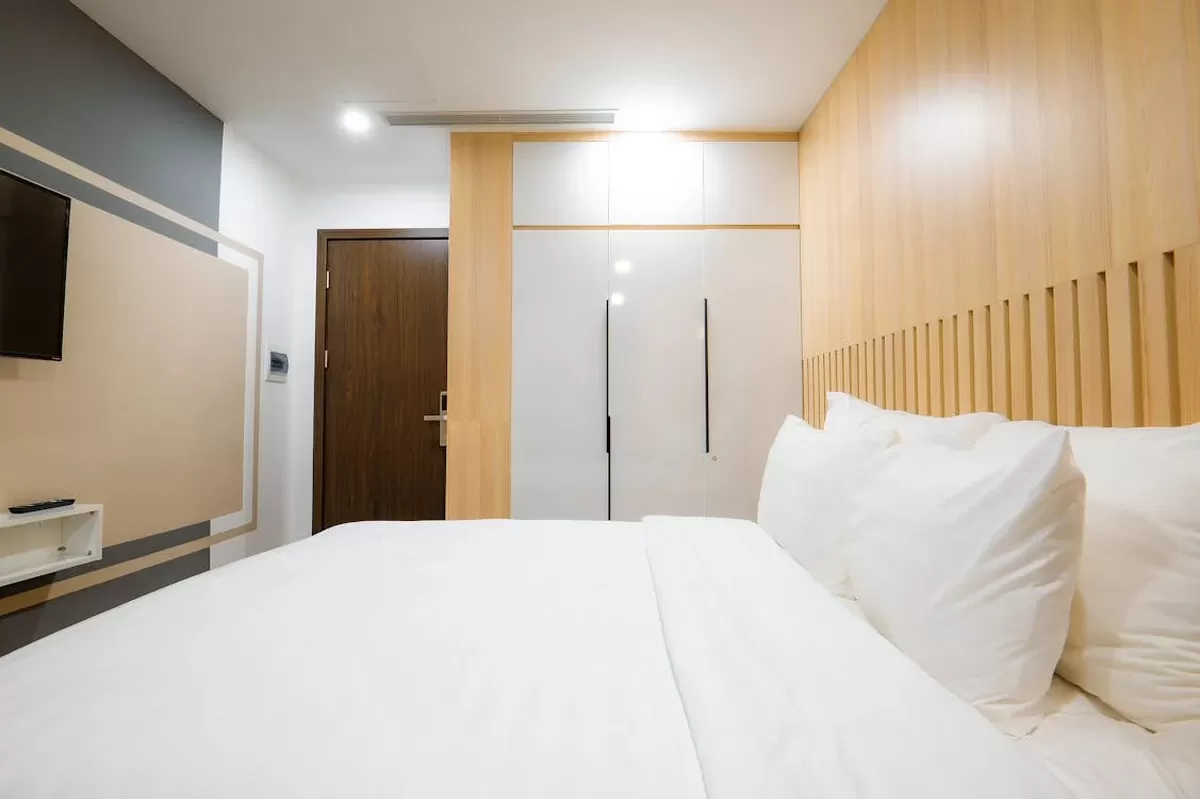
Each new hotel will maintain Minimalist’s hallmark Japandi design aesthetic—merging Japanese minimalism with Scandinavian functionality. The brand also integrates curated community experiences, such as DJ nights, coffee raves, fitness run clubs, and co-working hubs, in response to evolving traveller preferences for socially immersive and purpose-driven stays.

Over the past seven years, Minimalist Hotels has hosted more than 150,000 guests. Notably, 50 per cent of staff are locally hired, reinforcing the brand’s commitment to regional employment and culturally rooted hospitality.

A unique feature across all properties is the co-branded in-house café, FIKA Coffee Co. With a consistent design identity and menus tailored to local tastes, FIKA delivers a balanced culinary experience that reflects both brand ethos and regional character.

Speaking on the expansion, CEO Gautam Munjal stated, “Our vision is to redefine lifestyle hospitality by combining minimalist design, functionality, and local culture with global appeal. As tourism grows, we see the opportunity to scale thoughtfully and offer modern travellers comfort, authenticity, and meaningful connection.”


Minimalist Hotels has announced plans to expand its presence by launching 20 new properties over the next two years. The lifestyle hospitality brand aims to raise Rs 200 million to fund this phase of growth, with a focus on culturally rich and high-potential destinations such as Varanasi, NCR, Rajasthan, Goa, Mumbai, Uttarakhand, and Chandigarh.This strategic expansion comes amid a positive outlook for the Indian hotel industry, which is projected to grow from USD 15.67 billion in 2024 to USD 22.41 billion by 2030, at a compound annual growth rate (CAGR) of 9.32 per cent. Boutique and mid-scale lifestyle hotels, especially in Tier 1 and Tier 2 cities, are poised to be key drivers of this growth, fuelled by increasing domestic tourism and a rising demand for Bleisure (business + leisure) travel.Currently operating across 200,000 sq. ft. of built-up area, Minimalist Hotels plans to add another 700,000 sq. ft., bringing its total portfolio to approximately 1 million sq. ft. This growth will be underpinned by investments in strengthening operational systems and building a centralised corporate framework to manage the expanded footprint.Each new hotel will maintain Minimalist’s hallmark Japandi design aesthetic—merging Japanese minimalism with Scandinavian functionality. The brand also integrates curated community experiences, such as DJ nights, coffee raves, fitness run clubs, and co-working hubs, in response to evolving traveller preferences for socially immersive and purpose-driven stays.Over the past seven years, Minimalist Hotels has hosted more than 150,000 guests. Notably, 50 per cent of staff are locally hired, reinforcing the brand’s commitment to regional employment and culturally rooted hospitality.A unique feature across all properties is the co-branded in-house café, FIKA Coffee Co. With a consistent design identity and menus tailored to local tastes, FIKA delivers a balanced culinary experience that reflects both brand ethos and regional character.Speaking on the expansion, CEO Gautam Munjal stated, “Our vision is to redefine lifestyle hospitality by combining minimalist design, functionality, and local culture with global appeal. As tourism grows, we see the opportunity to scale thoughtfully and offer modern travellers comfort, authenticity, and meaningful connection.”

Next Story
Infrastructure Transport

Second Mountain Tunnel Breakthrough in Palghar Advances High Speed Rail

The Mumbai-Ahmedabad high speed rail (MAHSR) project reached a milestone with the breakthrough of a mountain tunnel in Palghar, Maharashtra. Mountain tunnel MT-six measures 454 metres long and 14.4 metres wide and will accommodate up and down tracks. The breakthrough follows MT-five near Saphale on second January 2026 and the MT-six excavation was completed from both ends using the New Austrian Tunnelling Method. The ministry reported that the tunnelling was completed within 12 months. The New Austrian Tunnelling Method is favoured for its flexibility in complex geology and irregular tunnel s..

Next Story
Infrastructure Transport

Modi Government Pushes Atmanirbhar Container Drive With BCSL MoU

The Union Government advanced a plan to create an integrated, domestically anchored container ecosystem with the signing of a Memorandum of Understanding to establish the Bharat Container Shipping Line (BCSL). The MoU was signed by key agencies including the Shipping Corporation of India and Container Corporation of India alongside major port authorities and Sagarmala Finance Corporation Limited under the Ministry of Ports, Shipping and Waterways, in the presence of senior ministers. The initiative aligns with the Container Manufacturing Assistance Scheme announced in the Union Budget 2026–2..

Next Story
Infrastructure Urban

Ministry Reports Gains In Mobility For Marginalised Communities

The Ministry of Social Justice and Empowerment is implementing skill development, education and rehabilitation schemes to promote socio-economic mobility and sustainable livelihoods for marginalised and disadvantaged communities across the country. Programmes target Scheduled Castes, Other Backward Classes, Economically Weaker Sections, De-notified Tribes and Safai Karamcharis through specialised implementing corporations and empanelled training institutes. Pradhan Mantri Dakshata Aur Kushalta Sampann Hitgrahi Yojana, or PM-DAKSH, provided skill training and placement support through the Nati..

Advertisement

Subscribe to Our Newsletter

Get daily newsletters around different themes from Construction world.

STAY CONNECTED

Advertisement

Advertisement

Advertisement

Open In App