Saudi Arabia To Open Real Estate Market To Foreign Buyers
Real Estate

Saudi Arabia To Open Real Estate Market To Foreign Buyers

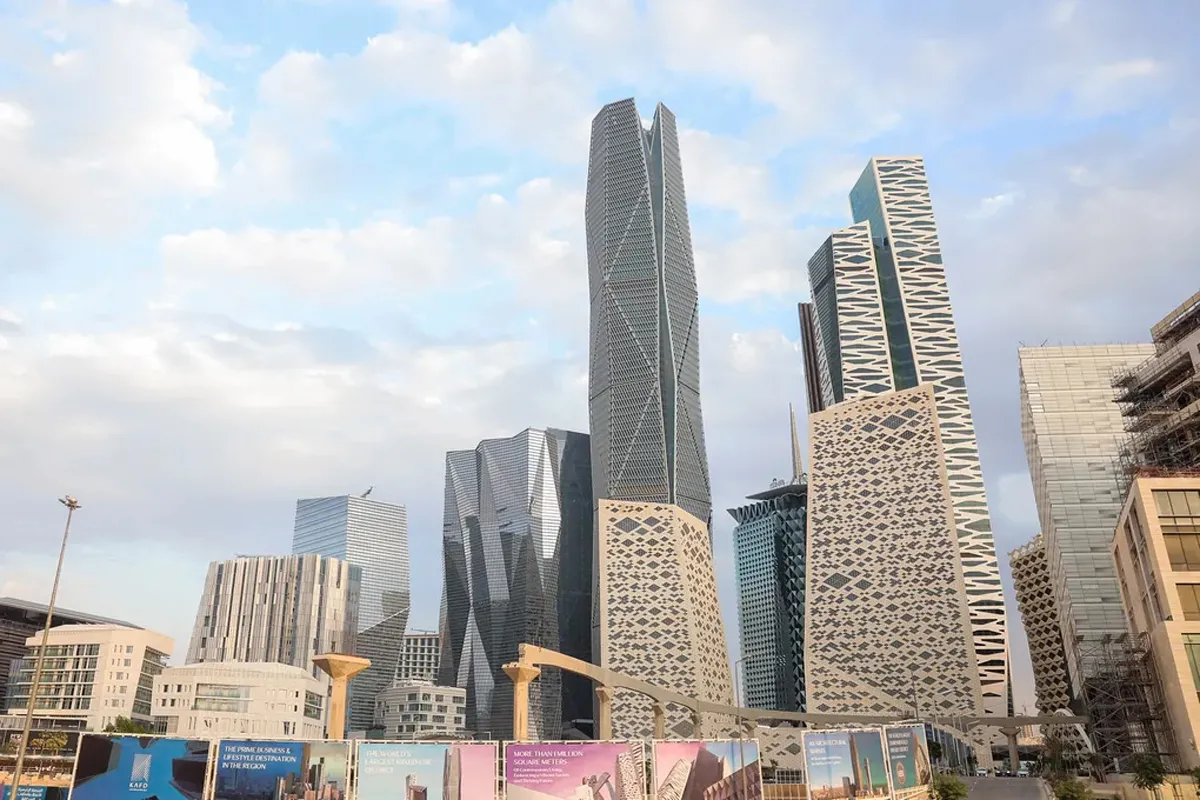
Saudi Arabia has confirmed that reforms enabling foreign nationals to own a wide range of real estate — including property in the holy cities — are progressing as planned and will take effect from January.

A senior official at the Real Estate General Authority (REGA) said non-Saudis will be permitted to purchase residential, commercial, agricultural and industrial properties, as well as acquire land for development. Designated zones for foreign ownership in Riyadh, Jeddah, Mecca and Madinah are currently under review and will be published shortly along with the final regulations.

According to Fahad BinSulaiman, executive director for non-Saudi real estate ownership at REGA, the zones are expected to be “very wide” and will include major mega-projects. The proportion of foreign ownership permitted in these areas will likely be capped at between 70 per cent and 90 per cent.

BinSulaiman clarified that buyers must be Muslim to purchase property in the two holy cities but will face no significant restrictions elsewhere. “There are not big conditions. We don’t want to restrict,” he said during an interview at Cityscape Global in Riyadh. He added that the difference between the current law and the updated framework is “significant”.

The comments confirm previously suggested timelines and offer clarity ahead of the formal release of regulations, which are now in the final approval stage. Saudi Arabia approved an overhaul of its property ownership laws in July as part of efforts to attract foreign investment and advance its Vision 2030 diversification strategy.

The real estate sector has become a central focus this year, as limited housing supply poses challenges in attracting companies, skilled professionals and capital to Riyadh. Regulators are also easing rules in capital markets and expect to soon permit majority foreign ownership of Saudi-listed stocks.

To support the reforms, REGA has launched a portal called Saudi Properties, designed to facilitate purchases by listing eligible assets and designated ownership zones. BinSulaiman said the zones are being planned to minimise investment risk while maintaining balance in the wider property market.

“Our main purpose is to fully open the market, to enable the foreigner to visit Saudi, to buy and to supply real estate,” he said.

Saudi Arabia has confirmed that reforms enabling foreign nationals to own a wide range of real estate — including property in the holy cities — are progressing as planned and will take effect from January. A senior official at the Real Estate General Authority (REGA) said non-Saudis will be permitted to purchase residential, commercial, agricultural and industrial properties, as well as acquire land for development. Designated zones for foreign ownership in Riyadh, Jeddah, Mecca and Madinah are currently under review and will be published shortly along with the final regulations. According to Fahad BinSulaiman, executive director for non-Saudi real estate ownership at REGA, the zones are expected to be “very wide” and will include major mega-projects. The proportion of foreign ownership permitted in these areas will likely be capped at between 70 per cent and 90 per cent. BinSulaiman clarified that buyers must be Muslim to purchase property in the two holy cities but will face no significant restrictions elsewhere. “There are not big conditions. We don’t want to restrict,” he said during an interview at Cityscape Global in Riyadh. He added that the difference between the current law and the updated framework is “significant”. The comments confirm previously suggested timelines and offer clarity ahead of the formal release of regulations, which are now in the final approval stage. Saudi Arabia approved an overhaul of its property ownership laws in July as part of efforts to attract foreign investment and advance its Vision 2030 diversification strategy. The real estate sector has become a central focus this year, as limited housing supply poses challenges in attracting companies, skilled professionals and capital to Riyadh. Regulators are also easing rules in capital markets and expect to soon permit majority foreign ownership of Saudi-listed stocks. To support the reforms, REGA has launched a portal called Saudi Properties, designed to facilitate purchases by listing eligible assets and designated ownership zones. BinSulaiman said the zones are being planned to minimise investment risk while maintaining balance in the wider property market. “Our main purpose is to fully open the market, to enable the foreigner to visit Saudi, to buy and to supply real estate,” he said.

Next Story
Equipment

Schwing Stetter India Unveils New Innovations at Excon 2025

Schwing Stetter India unveiled more than 20 new machines at Excon 2025, marking one of its most significant showcases and introducing several India-first technologies to the construction equipment sector. The company launched the country’s first 56-metre boom pump designed and manufactured in India, the first fully electric truck mixer, the first CNG mixer variant and the first hybrid boom pump. Executives said the launch portfolio was engineered to support India’s move toward faster, greener and more vertically oriented infrastructure through advanced engineering, clean-energy solutions a..

Next Story
Infrastructure Energy

SEPC Resolves Hindustan Copper Dispute, Wins Rs 725 Mn Order

Engineering, procurement and construction firm SEPC Ltd has recently settled a dispute with Hindustan Copper Ltd (HCL) and secured a mining infrastructure order valued at Rs 725 million from the state-owned company. SEPC informed the stock exchanges that it has executed a settlement deed with HCL, bringing closure to all inter-se claims and counterclaims arising from arbitration proceedings. As part of the settlement, SEPC will receive Rs 304.5 million as full and final payment, marking the resolution of all pending disputes between the two entities. The company also stated that Hindustan Co..

Next Story
Infrastructure Energy

20% Ethanol Blending Cuts India’s CO2 Emissions by 73.6 Mn Tonnes

Union Road Transport and Highways Minister Nitin Gadkari recently said that India has reduced carbon dioxide emissions by 73.6 million metric tonnes due to the adoption of 20 per cent ethanol blending in petrol. He made the statement while replying to supplementary questions during the Question Hour in the Lok Sabha. Describing ethanol as a green fuel, the minister said it plays a key role in reducing pollution while also supporting higher incomes for farmers. He underlined that ethanol blending contributes both to environmental sustainability and rural economic growth. Nitin Gadkari also po..

Advertisement

Subscribe to Our Newsletter

Get daily newsletters around different themes from Construction world.

STAY CONNECTED

Advertisement

Advertisement

Advertisement

Advertisement

Open In App