Optimising design and construction processes
Technology

Optimising design and construction processes

Time, costs and potential risks are examples of project limits. Understanding project constraints is crucial as they affect project performance. The management of construction projects, like any other projects, involves phases. From design and planning to schedule to actual construction, each element is intricate and a component of a more involved overarching process. In all this, the lynchpins are project managers, who are at the frontline of initiatives of all sizes, where they lead, manage and strive for timely completion.

According to research by PWC, 97 per cent of firms believe that the function of a project manager is essential to company performance and organisational success. An intelligent project manager is ultimately the CEO of the project and runs it as if it were a mini-business with its budget, resources, and scope. They take responsibility for developing and implementing a strategy that produces results rather than excuses. They are highly organised and can prioritise tasks, requirements or issues. Good project managers know the latest trends in the real-estate industry and show their strong understanding and expertise.

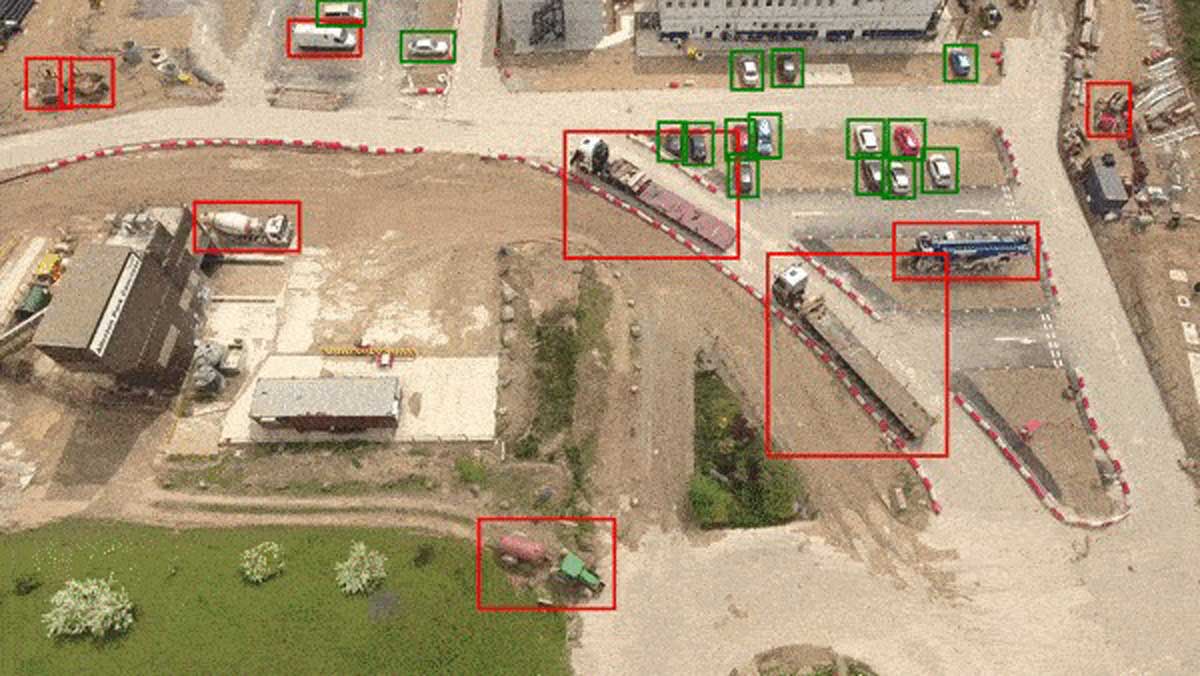
Naushad Panjwani says that the construction industry in general is in the throes of technological absorption. Project Management is lagging by a mile. There is a technological explosion on-going all around us such as Big Data, cloud computing, machine learning, artificial intelligence, augmented reality, drones and metaverse; and it's time that project management caught up. Good project management consultants have adapted and adopted these new-age technologies which go beyond the Gantt Charts.

To read more, CLICK HERE.

Time, costs and potential risks are examples of project limits. Understanding project constraints is crucial as they affect project performance. The management of construction projects, like any other projects, involves phases. From design and planning to schedule to actual construction, each element is intricate and a component of a more involved overarching process. In all this, the lynchpins are project managers, who are at the frontline of initiatives of all sizes, where they lead, manage and strive for timely completion. According to research by PWC, 97 per cent of firms believe that the function of a project manager is essential to company performance and organisational success. An intelligent project manager is ultimately the CEO of the project and runs it as if it were a mini-business with its budget, resources, and scope. They take responsibility for developing and implementing a strategy that produces results rather than excuses. They are highly organised and can prioritise tasks, requirements or issues. Good project managers know the latest trends in the real-estate industry and show their strong understanding and expertise. Naushad Panjwani says that the construction industry in general is in the throes of technological absorption. Project Management is lagging by a mile. There is a technological explosion on-going all around us such as Big Data, cloud computing, machine learning, artificial intelligence, augmented reality, drones and metaverse; and it's time that project management caught up. Good project management consultants have adapted and adopted these new-age technologies which go beyond the Gantt Charts.To read more, CLICK HERE.

Next Story
Infrastructure Urban

Implementation Status of Jal Jeevan Mission

Since August 2019 the Government has implemented Jal Jeevan Mission to provide assured potable water through household tap connections in rural India. At the start of the mission only 32.3 million (mn) rural households, representing 16.7 per cent, were reported to have tap water connections. States and union territories have reported that 125.8 mn additional rural households have since been provided with tap connections. As a result, of about 193.6 mn rural households roughly 158.2 mn, or 81.71 per cent, are reported to have tap water supply at home.\n\nThe State, district and village level st..

Next Story
Infrastructure Urban

Jal Jeevan Mission Reaches Eighty One Per Cent Rural Coverage

The Government reported substantial progress under the Jal Jeevan Mission, launched in August 2019 to provide tap water to every rural household. At launch only 32.3 million (mn) rural households had tap connections and states and Union territories reported provision of 125.8 mn additional households by March 2026. Consequently, out of about 193.6 mn rural households around 158.2 mn, or 81.71 per cent, are reported to have tap water at home. The Finance Minister announced extension of the mission until 2028 in the 2025-26 budget speech. The Swachh Bharat Mission Grameen, launched in October 20..

Next Story
Infrastructure Urban

Empowering Local Governance for Sustainable Rural Water Supply

The Ministry of Jal Shakti has aligned the Jal Jeevan Mission (JJM) with the 73rd Amendment to strengthen village level planning and community ownership of water supply. Gram Panchayats, village water and sanitation committees and Pani Samitis are to plan, implement, manage and maintain piped water systems, with gram sabha processes formalising handover and oversight. Implementation support agencies including non government organisations, community based organisations and self help groups have been empanelled to train local committees and promote women participation. Under JJM, the department ..

Advertisement

Subscribe to Our Newsletter

Get daily newsletters around different themes from Construction world.

STAY CONNECTED

Advertisement

Advertisement

Advertisement