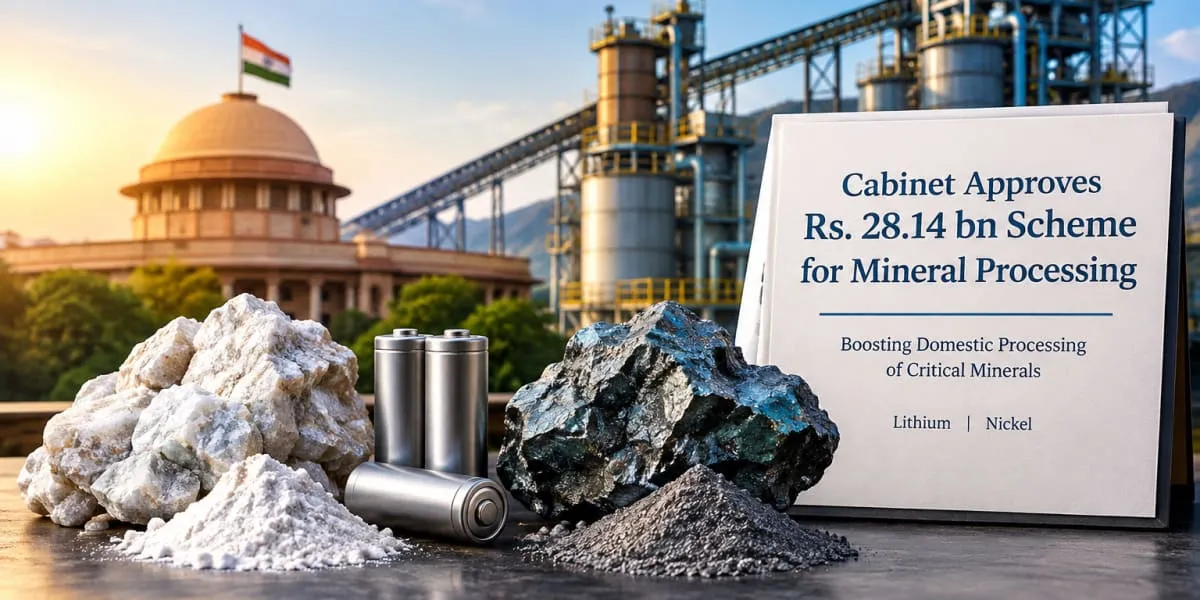
Cabinet Approves Rs. 28.14 bn Scheme for Mineral Processing
ECONOMY & POLICY

Cabinet Approves Rs. 28.14 bn Scheme for Mineral Processing

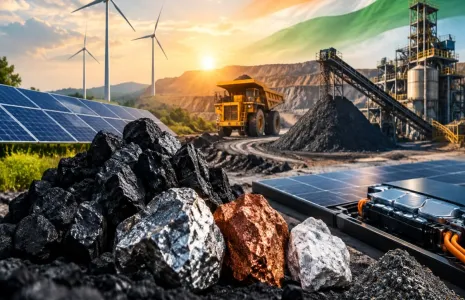
The Union Cabinet approved a Rs. 28.14 bn capital expenditure support scheme on November 4, 2026, to promote domestic processing of critical minerals, according to the release. The programme will operate for five years, covering FY26-27 to FY30-31, and is intended to establish processing facilities for lithium and nickel in India.

The scheme provides a capital subsidy equal to 30 per cent of eligible investment for four plants, comprising two lithium facilities and two nickel facilities. Each lithium plant must have a minimum annual capacity of 30,000 t, while each nickel plant must be capable of processing at least 50,000 t. Financial support is capped at Rs. 5 bn per beneficiary for lithium projects and Rs. 9 bn for nickel facilities.

Beneficiaries will be chosen through a two-stage process involving technical qualification followed by financial bidding on a least-cost basis. The approved support will be released in three tranches linked to the achievement of specified milestones. This structure is intended to connect public funding with the establishment and operation of eligible processing capacity.

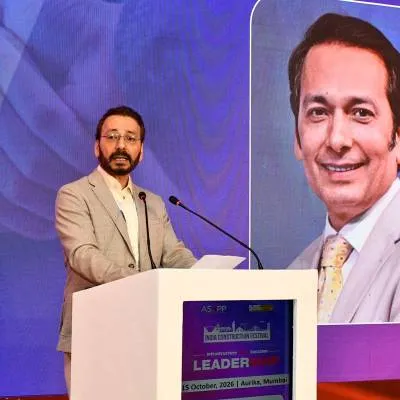
The government aims to reduce India’s reliance on imported refined intermediates and high-purity critical minerals. The scheme is also intended to strengthen supplies for electronics, semiconductors, batteries and defence manufacturing. Coal and Mines Minister G Kishan Reddy said the programme would build domestic capabilities across these sectors.

Cobalt is expected to be recovered as a by-product of nickel processing, potentially improving the resource efficiency of the planned facilities. Nickel ores are broadly classified as oxide or sulfide ores, with laterites falling in the oxide category. Sulfide deposits are commonly concentrated through froth flotation before further extraction and refining.

Lithium carbonate is the principal product of lithium-ore beneficiation and acts as a precursor to other lithium salts used in ceramics and battery materials. The planned facilities are therefore intended to support both mineral processing and downstream industrial applications.

The Union Cabinet approved a Rs. 28.14 bn capital expenditure support scheme on November 4, 2026, to promote domestic processing of critical minerals, according to the release. The programme will operate for five years, covering FY26-27 to FY30-31, and is intended to establish processing facilities for lithium and nickel in India. The scheme provides a capital subsidy equal to 30 per cent of eligible investment for four plants, comprising two lithium facilities and two nickel facilities. Each lithium plant must have a minimum annual capacity of 30,000 t, while each nickel plant must be capable of processing at least 50,000 t. Financial support is capped at Rs. 5 bn per beneficiary for lithium projects and Rs. 9 bn for nickel facilities. Beneficiaries will be chosen through a two-stage process involving technical qualification followed by financial bidding on a least-cost basis. The approved support will be released in three tranches linked to the achievement of specified milestones. This structure is intended to connect public funding with the establishment and operation of eligible processing capacity. The government aims to reduce India’s reliance on imported refined intermediates and high-purity critical minerals. The scheme is also intended to strengthen supplies for electronics, semiconductors, batteries and defence manufacturing. Coal and Mines Minister G Kishan Reddy said the programme would build domestic capabilities across these sectors. Cobalt is expected to be recovered as a by-product of nickel processing, potentially improving the resource efficiency of the planned facilities. Nickel ores are broadly classified as oxide or sulfide ores, with laterites falling in the oxide category. Sulfide deposits are commonly concentrated through froth flotation before further extraction and refining. Lithium carbonate is the principal product of lithium-ore beneficiation and acts as a precursor to other lithium salts used in ceramics and battery materials. The planned facilities are therefore intended to support both mineral processing and downstream industrial applications.

Related Stories

Gold Stories

Next Story
Equipment

BorgWarner secures three turbocharger contracts with global powertrain leader

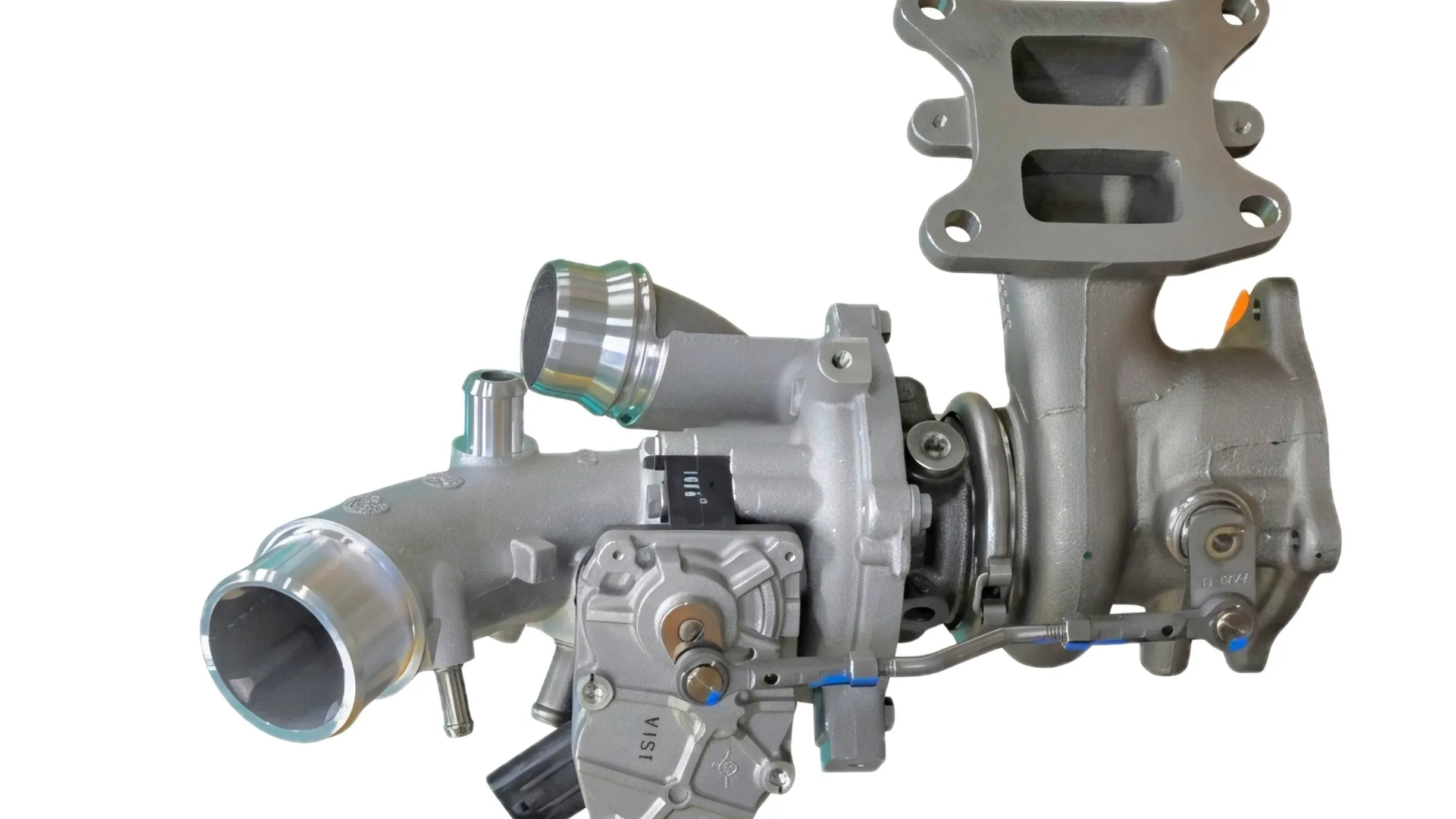
BorgWarner has secured three new turbocharger contracts with a global powertrain technology company. The wins comprise one contract for its variable turbine geometry (VTG) turbocharger and two for its wastegate turbocharger. The technologies will be deployed in the customer's light-vehicle gasoline platforms in South America and Europe, with production scheduled to begin in 2027.The VTG turbochargers are designed for gasoline engines operating under demanding conditions and high-boost pressure requirements. They are engineered to support Miller-cycle engines and withstand exhaust temperatures ..

Next Story
Infrastructure Transport

International Digi Yatra Trials Begin at Seven Airports

India has begun trials of Digi Yatra for international passengers at seven airports, allowing eligible Indian passport holders to use facial recognition at selected airport checkpoints. The facility is currently limited to Indian nationals with e-passports travelling on selected international flights operated by Air India and IndiGo. The Civil Aviation Ministry announced the trials on 1 November, with testing scheduled through December 2026. A wider rollout is expected in 2027 after the ministry assesses passenger feedback gathered during the trial period, according to PTI. The system is inten..

Next Story
Infrastructure Transport

Air India Plans More Wide-Body Jets, CEO Signals Profitability Soon

Air India is seeking to expand its order for wide-body aircraft as it works to increase international passenger traffic, chief executive Tewolde Gebremariam said on Tuesday. The Tata Group-owned carrier is also targeting a return to profitability in the near term, as its turnaround programme addresses fleet, network and service challenges. The comments came months after Gebremariam took charge of the airline. Gebremariam, who previously led Ethiopian Airlines, said the airline wanted more wide-body aircraft. Air India has held discussions with Boeing and Airbus while assessing the economics of..

Advertisement

Subscribe to Our Newsletter

Get daily newsletters around different themes from Construction world.

STAY CONNECTED

Advertisement

SPECIAL OFFER
QR Code