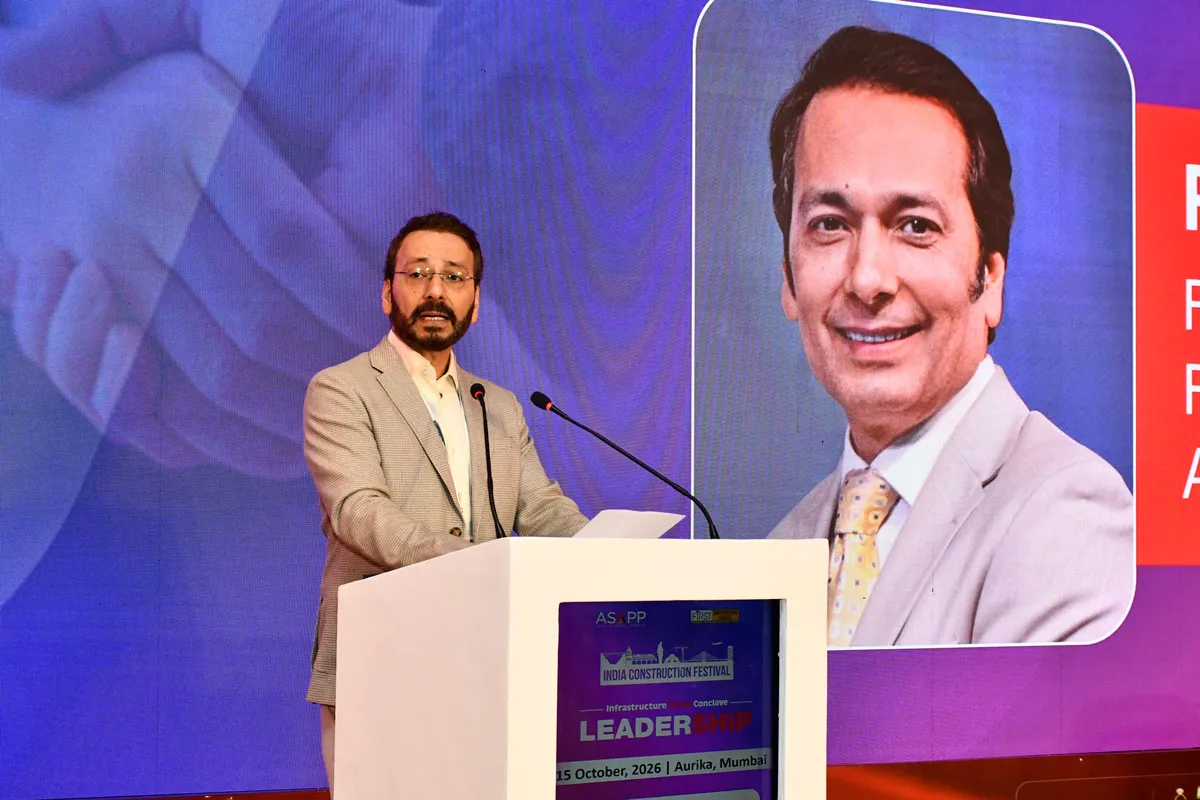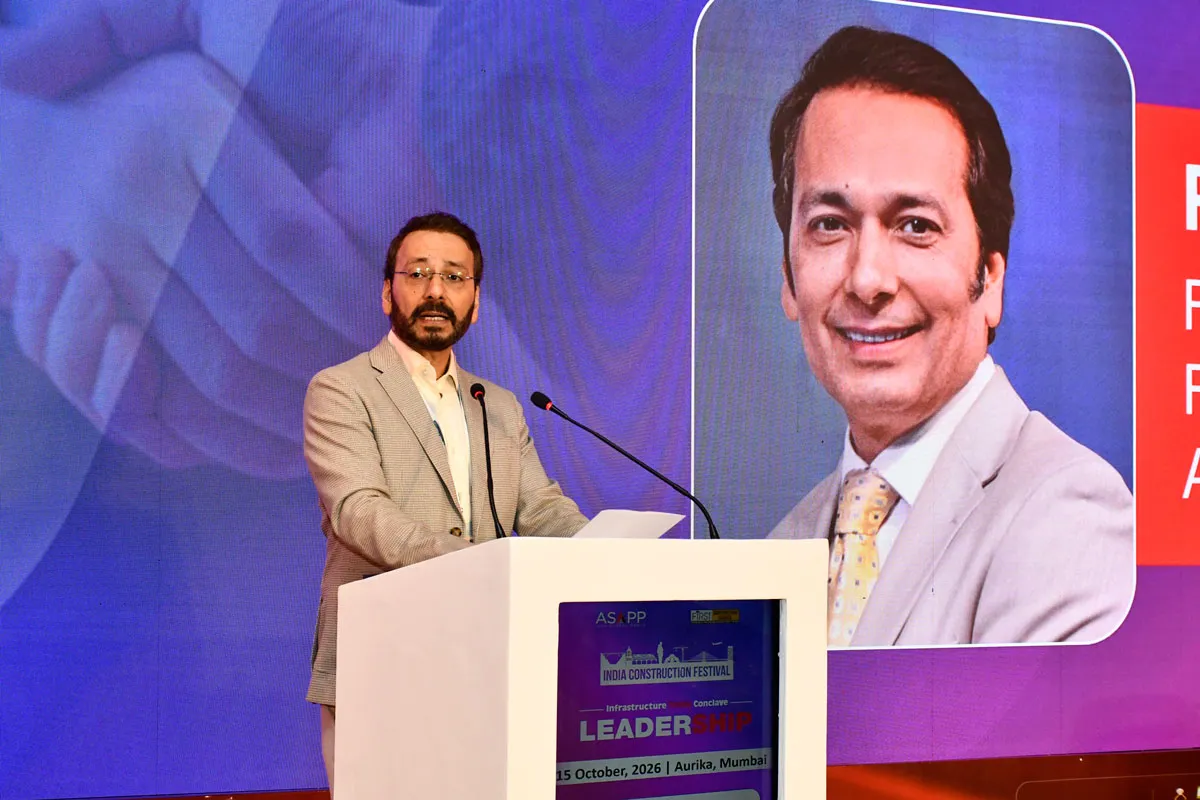
India’s infrastructure ambitions are entering a defining phase, with investments in roads, highways, railways, metros, airports, ports and urban infrastructure driving demand for construction and engineering capabilities. Yet, despite their central role in delivering these assets, engineering, procurement and construction (EPC) companies continue to face a valuation gap compared with other segments of the construction ecosystem. This disconnect formed the central theme of the Infrastructure Today Leadership Conclave 2026, which brought together industry stakeholders to examine what it will take to build a financially resilient contracting ecosystem.Held as part of the 12th India Construction Festival, the conclave provided a platform for conversations around business valuations, project execution, procurement practices, contractual frameworks and infrastructure planning. The discussions examined not just the challenges confronting EPC contractors but also the shared responsibilities of investors, government agencies, project owners and industry participants in creating a more sustainable infrastructure development environment.Opening the conclave, Pratap Padode, Founder, FIRST Construction Council, described the valuation disparity as the great EPC valuation paradox. While contractors shoulder significant responsibilities spanning land, design, manpower, material procurement, approvals, safety and execution, their businesses often command lower valuation multiples than equipment manufacturers, material suppliers and real-estate developers. Underscoring the larger implications of this disparity, he observed, “A weak contracting ecosystem cannot deliver a strong infrastructure nation.”Presenting an analysis of 46 leading construction companies, Padode highlighted the scale of the sector, with a combined market capitalisation of approximately `7.36 trillion and an order book of around `7 trillion. He emphasised that market valuations must be viewed beyond price-to-earnings multiples, with growth, return on capital, debt, cash conversion, governance and order-book quality playing equally important roles. A sustainable re-rating, he argued, would require improvements in both business performance and the contracting ecosystem.The opening fireside chat, ‘Why Doesn’t the Market Trust the Builder?’, brought together perspectives from Pratap Padode; Luis Miranda, Co-Founder and Chairperson, Indian School of Public Policy; and Deven Choksey, Promoter and Managing Director, DRChoksey FinServ. The conversation examined the relationship between profitability, cash generation, investor confidence and the financial pressures faced by EPC contractors. [Read a detailed overview of the conversation on page 105.The subsequent panel discussions broadened the conversation to examine the structural and operational factors influencing the sector.The first panel, ‘The Great Valuation Debate: EPC vs Real Estate vs Building Materials vs Equipment’, explored how differences in business models, cash conversion cycles, recurring revenues, risk exposure and capital requirements influence investor perceptions and valuation multiples. The discussion also highlighted the importance of business diversification, governance and disciplined capital allocation.The second panel, ‘Is the Contracting Model Broken? L1, QCBS, Risk and Disputes’, examined the limitations of lowest-price-based procurement, particularly for complex infrastructure assignments. Panellists discussed the need for quality-and-cost-based selection, realistic risk allocation, better project preparation, transparent contractual provisions and effective dispute-resolution mechanisms.The concluding panel, ‘One Nation, One Infrastructure Pipeline? Centre, States and PM GatiShakti’, shifted the focus to integrated infrastructure planning. With India’s development ambitions extending towards 2047, the discussion examined coordination between central and state agencies, the role of digital platforms and geospatial technologies, and the need to align roads, railways, energy and urban infrastructure to maximise economic value.Emphasising the economic consequences of fragmented planning, Sitaram Kunte, IAS (Retd), former Chief Secretary, Government of Maharashtra and former Municipal Commissioner, Municipal Corporation of Greater Mumbai, observed, “Every kilometre of road built without being part of a connected corridor represents a catastrophic failure of economic investment.” His observation underlined the importance of treating infrastructure assets as interconnected networks, with last-mile connectivity and coordination between implementing agencies being critical to unlocking their full economic potential.The ICF was presented by BKT Tyres, with Autodesk as the Powered by Partner and Afcons Infrastructure as the Co-powered by Partner. The Gold Partners were Dineshchandra R. Agrawal Infracon, Kalpataru Projects International, GMMCO, Larsen & Toubro, Cemindia Projects and JSW Better Everyday. Vascon Engineers and J. Kumar Infraprojects were the Silver Partners, while Shyam Steel Industries, Gulf Oil and Varindera Constructions were the Associate Partners. LiuGong India was the Lanyard Partner.The event was held in association with Engineering News-Record (ENR), with IMPACCT as the Business Intelligence Partner. The Supporting Partners were the Indian Institute of Materials Management, National Highways Builders Federation, Builders’ Association of India, International Road Federation and Mumbai First. Construction World, Equipment India and Infrastructure Today were the Official Media Partners.Across the sessions, a common message emerged: India’s infrastructure growth must be supported by financially sound contractors, equitable procurement practices, effective project preparation and stronger institutional coordination. Delivering projects on time and within cost requires a contracting ecosystem in which risks are allocated fairly, payments are predictable and technical capability is valued alongside price.Key takeawaysAssess profitability, execution risk, client profile and payment terms, not just order-book size.Reported profits must translate into collections and sustainable cash flows.Contractors must price risks realistically and walk away from unviable projects.Technical capability, financial strength and past performance must complement price evaluation.Land, clearances and other risks should rest with the parties best equipped to manage them.Clear provisions for escalation, variations, claims and dispute resolution can reduce delays.Strong boards, transparent disclosures and financial controls are essential for sustainable growth.Land, permissions, utilities and funding must be addressed before execution begins.Infrastructure assets must be integrated to deliver their full economic value.Integrated planning platforms need accurate, current and shareable information.Timely decisions and payments from public authorities are as important as contractor execution.India needs financially resilient contractors capable of investing in technology, people and project management.