Faster GST Refunds May Ease MSME Working Capital Pressures
ECONOMY & POLICY

Faster GST Refunds May Ease MSME Working Capital Pressures

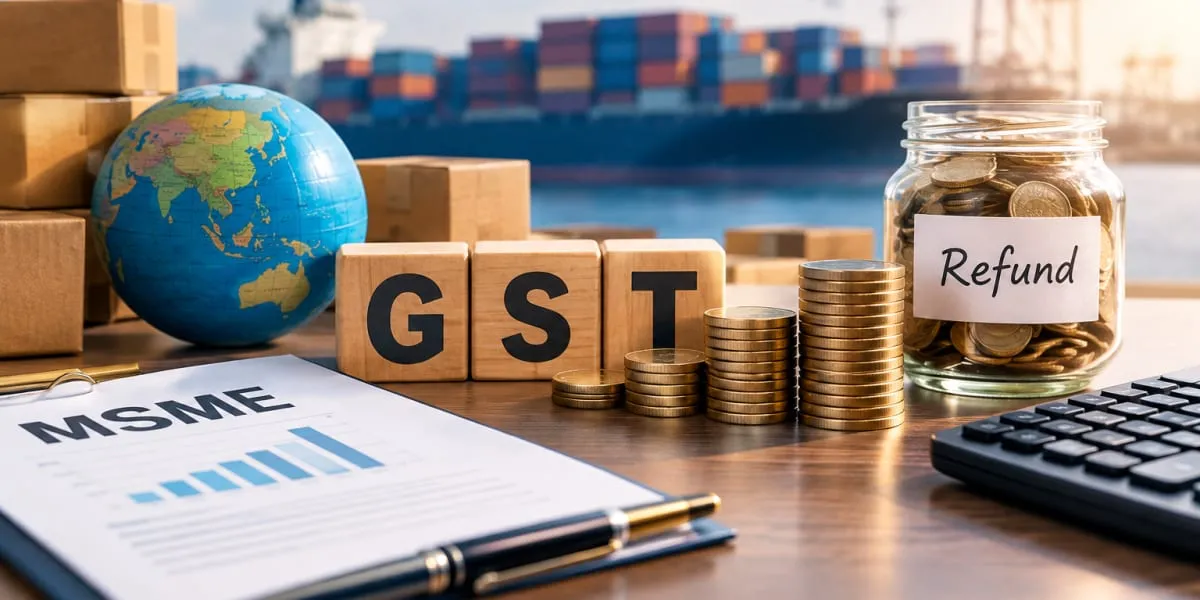
Faster processing of Goods and Services Tax (GST) refunds could ease working capital pressures on micro, small and medium enterprises (MSMEs), particularly exporters, the Federation of Indian Micro and Small & Medium Enterprises (FISME) said. Exporters often finance raw materials, production and credit extended to overseas buyers while waiting for eligible tax refunds.

The industry body said delayed refunds can compel otherwise profitable businesses to borrow money for routine expenses. This can restrict their ability to accept additional orders, expand production and maintain business operations. Smaller exporters face greater pressure because their cash remains tied up across several stages of the export cycle.

Refund claims are governed by Section 54 of the Central Goods and Services Tax Act. The reforms provide for system-based processing, shorter acknowledgement timelines and risk-based provisional refunds. Under the Government’s official FAQ, the period for acknowledging refund applications or communicating deficiencies has been reduced from 15 days to 10 days.

The changes also provide for automatic provisional release of 90 per cent of acknowledged refund claims in specified low-risk categories, subject to prescribed conditions. FISME said more predictable refunds could enable businesses to finance additional production cycles without relying as heavily on external borrowing.

For example, receiving a refund of Rs. 1 mn 60 days earlier could save a business approximately Rs. 19,700 in interest costs, based on an annual borrowing rate of 12 per cent. The federation said the benefit could increase if enterprises use the released funds to accept and execute new orders.

An official government release reported 173,350 exporting MSMEs in 2024-25, but FISME cautioned that this figure is not an estimate of GST refund beneficiaries because not all exporters file refund claims. Businesses seeking refunds under inverted duty structures form another claimant category. The actual impact will depend on processing efficiency, risk-based assessments and timely release of eligible refunds.

Faster processing of Goods and Services Tax (GST) refunds could ease working capital pressures on micro, small and medium enterprises (MSMEs), particularly exporters, the Federation of Indian Micro and Small & Medium Enterprises (FISME) said. Exporters often finance raw materials, production and credit extended to overseas buyers while waiting for eligible tax refunds. The industry body said delayed refunds can compel otherwise profitable businesses to borrow money for routine expenses. This can restrict their ability to accept additional orders, expand production and maintain business operations. Smaller exporters face greater pressure because their cash remains tied up across several stages of the export cycle. Refund claims are governed by Section 54 of the Central Goods and Services Tax Act. The reforms provide for system-based processing, shorter acknowledgement timelines and risk-based provisional refunds. Under the Government’s official FAQ, the period for acknowledging refund applications or communicating deficiencies has been reduced from 15 days to 10 days. The changes also provide for automatic provisional release of 90 per cent of acknowledged refund claims in specified low-risk categories, subject to prescribed conditions. FISME said more predictable refunds could enable businesses to finance additional production cycles without relying as heavily on external borrowing. For example, receiving a refund of Rs. 1 mn 60 days earlier could save a business approximately Rs. 19,700 in interest costs, based on an annual borrowing rate of 12 per cent. The federation said the benefit could increase if enterprises use the released funds to accept and execute new orders. An official government release reported 173,350 exporting MSMEs in 2024-25, but FISME cautioned that this figure is not an estimate of GST refund beneficiaries because not all exporters file refund claims. Businesses seeking refunds under inverted duty structures form another claimant category. The actual impact will depend on processing efficiency, risk-based assessments and timely release of eligible refunds.

Related Stories

Gold Stories

Next Story
Resources

Prateek Foundation Aakaar celebrates Diwali with children in Noida

Prateek Foundation Aakaar, the community initiative of Prateek Group, organised a Diwali celebration for children at Saikripa, Noida, on 4 November 2026. The one-hour programme brought together members of the foundation and children for an afternoon of creative and recreational activities.The celebration included diya painting, games and interactive sessions, with children designing and decorating diyas. The activities were aimed at encouraging creativity and providing an opportunity for the children to participate in the festive celebrations.Prateek Tiwari, Managing Director, Prateek Group, s..
Next Story
Equipment

Shakti Pumps signs MoU with ISA to expand solar water pumping

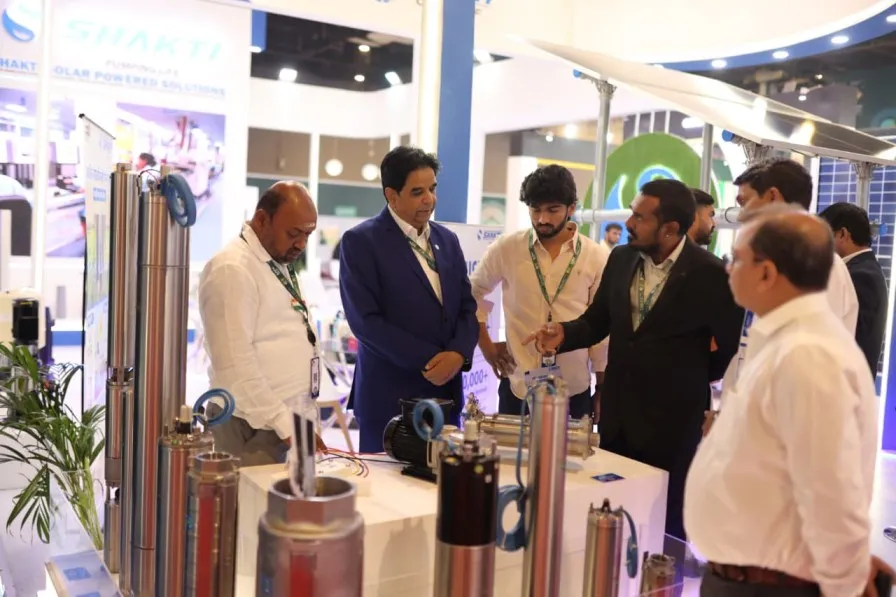
Shakti Pumps (India) signed a Memorandum of Understanding (MoU) with the International Solar Alliance (ISA) to strengthen international collaboration and accelerate the adoption of solar water pumping solutions. The agreement was signed by Ashish Khanna, Director General, ISA, and Ramesh Patidar, Managing Director, Shakti Pumps, alongside the ninth ISA Session at the Bharat Renewable Energy Summit and Expo (BRES) 2026, held at Bharat Mandapam, New Delhi.At the summit, Shakti Pumps showcased its integrated renewable energy portfolio, including solar pumping systems, rooftop solar solutions unde..
Next Story
Real Estate

Worli-Lower Parel gains ground as Mumbai’s commercial hub

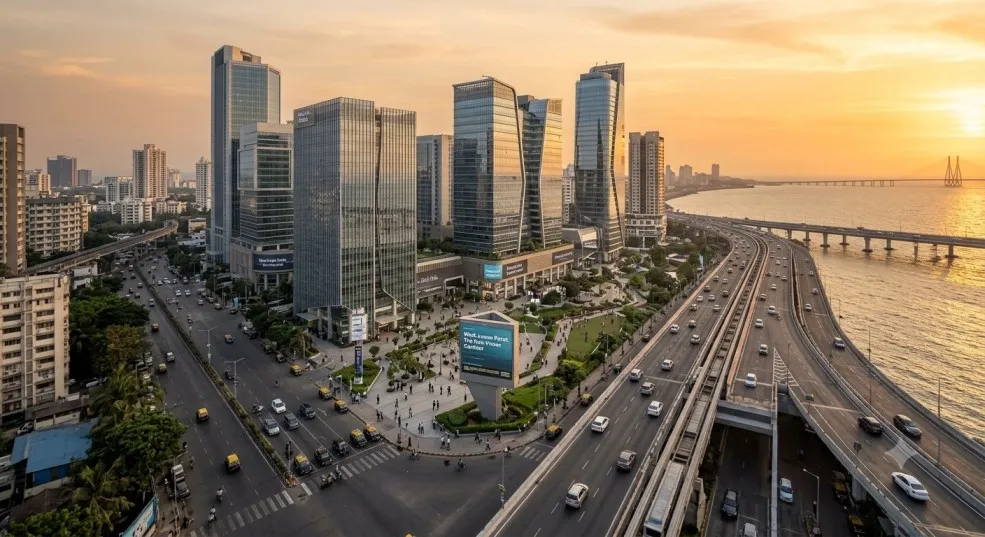
Mumbai’s Worli-Lower Parel corridor is gaining prominence as a commercial and luxury residential destination, attracting financial institutions, technology companies and high-net-worth individuals. Infrastructure upgrades, including the Coastal Road and improved transit connectivity, are contributing to the shift in occupier interest from established business districts such as Bandra-Kurla Complex (BKC) and Nariman Point.Recent leasing transactions underline the corridor’s growing commercial appeal. At Marathon Futurex in Lower Parel, three financial firms leased a combined 28,976 sq ft at..

Advertisement

Subscribe to Our Newsletter

Get daily newsletters around different themes from Construction world.

STAY CONNECTED

Advertisement

SPECIAL OFFER
QR Code