India’s Data Centre Capacity Set to Rise Five-Fold by 2030
ECONOMY & POLICY

India’s Data Centre Capacity Set to Rise Five-Fold by 2030

India’s installed data centre capacity is set to increase five-fold to around 7.5 GW by March 2030, attracting more than Rs. 3 tn in investments over the next four financial years, according to a report by Crisil Ratings. Generative artificial intelligence, enterprise digitalisation and rising data consumption are driving the planned expansion, although the sector’s returns will depend on power connectivity, regulatory clearances and project execution.

Nearly half of the upcoming capacity has already been committed through long-term contracts, reducing speculative development and offtake risk. Global hyperscalers are supporting investment decisions through cloud adoption and increasingly compute-intensive GenAI workloads, while India’s development costs are around 20 per cent lower than those in several competing Asia-Pacific markets.

Lower land, construction and labour costs, along with competitive power tariffs, enable rental rates to remain 30 to 35 per cent below those in peer markets. The availability of large campuses powered by renewable energy is also strengthening India’s appeal to hyperscalers seeking to meet sustainability commitments.

Power infrastructure remains a significant execution challenge. Nearly three-fourths of about 6 GW of upcoming capacity is expected to be concentrated in Visakhapatnam, Mumbai and Hyderabad, where capacity by fiscal 2030 could equal around 80 per cent, 60 per cent and 20 per cent, respectively, of current peak electricity demand.

Existing facilities are operating at around 90 per cent utilisation, while more than 95 per cent of capacity under construction has been contracted. Contract tenors have lengthened to 15 to 20 years from 10 to 12 years earlier, improving revenue visibility, although developers will need continued investment in upgrades, higher power density and advanced cooling for next-generation workloads.

Hyperscalers’ share of leased capacity is expected to rise to 75 to 80 per cent by fiscal 2030 from 60 to 65 per cent in fiscal 2026, increasing customer concentration and bargaining-power risks. Investments generally precede cash flows by 24 to 36 months, but improving utilisation and operational commissioned capacity should gradually strengthen cash generation and reduce leverage.

India’s installed data centre capacity is set to increase five-fold to around 7.5 GW by March 2030, attracting more than Rs. 3 tn in investments over the next four financial years, according to a report by Crisil Ratings. Generative artificial intelligence, enterprise digitalisation and rising data consumption are driving the planned expansion, although the sector’s returns will depend on power connectivity, regulatory clearances and project execution. Nearly half of the upcoming capacity has already been committed through long-term contracts, reducing speculative development and offtake risk. Global hyperscalers are supporting investment decisions through cloud adoption and increasingly compute-intensive GenAI workloads, while India’s development costs are around 20 per cent lower than those in several competing Asia-Pacific markets. Lower land, construction and labour costs, along with competitive power tariffs, enable rental rates to remain 30 to 35 per cent below those in peer markets. The availability of large campuses powered by renewable energy is also strengthening India’s appeal to hyperscalers seeking to meet sustainability commitments. Power infrastructure remains a significant execution challenge. Nearly three-fourths of about 6 GW of upcoming capacity is expected to be concentrated in Visakhapatnam, Mumbai and Hyderabad, where capacity by fiscal 2030 could equal around 80 per cent, 60 per cent and 20 per cent, respectively, of current peak electricity demand. Existing facilities are operating at around 90 per cent utilisation, while more than 95 per cent of capacity under construction has been contracted. Contract tenors have lengthened to 15 to 20 years from 10 to 12 years earlier, improving revenue visibility, although developers will need continued investment in upgrades, higher power density and advanced cooling for next-generation workloads. Hyperscalers’ share of leased capacity is expected to rise to 75 to 80 per cent by fiscal 2030 from 60 to 65 per cent in fiscal 2026, increasing customer concentration and bargaining-power risks. Investments generally precede cash flows by 24 to 36 months, but improving utilisation and operational commissioned capacity should gradually strengthen cash generation and reduce leverage.

Related Stories

Gold Stories

Next Story
Equipment

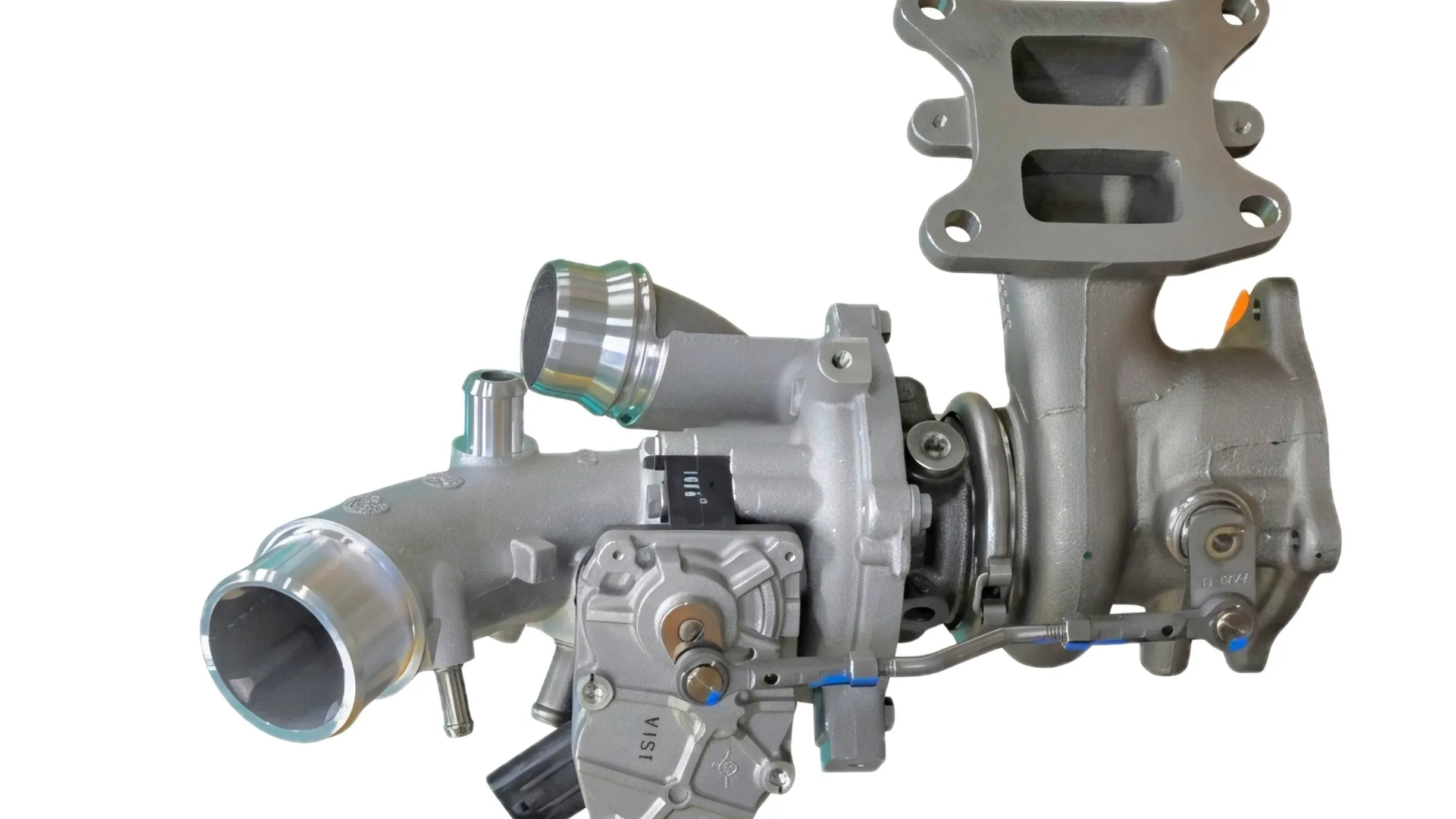
BorgWarner secures three turbocharger contracts with global powertrain leader

BorgWarner has secured three new turbocharger contracts with a global powertrain technology company. The wins comprise one contract for its variable turbine geometry (VTG) turbocharger and two for its wastegate turbocharger. The technologies will be deployed in the customer's light-vehicle gasoline platforms in South America and Europe, with production scheduled to begin in 2027.The VTG turbochargers are designed for gasoline engines operating under demanding conditions and high-boost pressure requirements. They are engineered to support Miller-cycle engines and withstand exhaust temperatures ..

Next Story
Infrastructure Transport

International Digi Yatra Trials Begin at Seven Airports

India has begun trials of Digi Yatra for international passengers at seven airports, allowing eligible Indian passport holders to use facial recognition at selected airport checkpoints. The facility is currently limited to Indian nationals with e-passports travelling on selected international flights operated by Air India and IndiGo. The Civil Aviation Ministry announced the trials on 1 November, with testing scheduled through December 2026. A wider rollout is expected in 2027 after the ministry assesses passenger feedback gathered during the trial period, according to PTI. The system is inten..

Next Story
Infrastructure Transport

Air India Plans More Wide-Body Jets, CEO Signals Profitability Soon

Air India is seeking to expand its order for wide-body aircraft as it works to increase international passenger traffic, chief executive Tewolde Gebremariam said on Tuesday. The Tata Group-owned carrier is also targeting a return to profitability in the near term, as its turnaround programme addresses fleet, network and service challenges. The comments came months after Gebremariam took charge of the airline. Gebremariam, who previously led Ethiopian Airlines, said the airline wanted more wide-body aircraft. Air India has held discussions with Boeing and Airbus while assessing the economics of..

Advertisement

Subscribe to Our Newsletter

Get daily newsletters around different themes from Construction world.

STAY CONNECTED

Advertisement

SPECIAL OFFER
QR Code