



MRPL Shifts to Delivered-Basis Crude Oil Purchases
ECONOMY & POLICY

MRPL Shifts to Delivered-Basis Crude Oil Purchases

Mangalore Refinery and Petrochemicals (MRPL) is increasing its purchases of crude oil on a delivered basis to reduce exposure to shipping risks linked to the Iran war and lower freight costs. The Karnataka-based refiner is also diversifying supplies to keep its 300,000-barrels-per-day refinery operating at full capacity.

Attacks on vessels using the Strait of Hormuz during the eight-month conflict have prompted Middle Eastern producers to offer more crude through ship-to-ship transfers outside the waterway. Producers have also offered freight discounts on delivered supplies, under which the supplier remains contractually responsible for transporting the cargo to its destination.

MRPL’s head of finance, Devendra Kumar, said the company would continue to favour delivered-at-port, or DAP, cargoes while assessing purchases primarily on their delivered economics once market conditions stabilised. He indicated that some Middle Eastern producers could offer delivered cargoes under annual supply agreements, representing a potential shift from traditional free-on-board arrangements in which buyers organise shipping.

The company sourced about 20 per cent of its crude requirements from the Middle East and around 33 per cent from Russia during the September quarter, according to Kumar. Domestic crude accounted for about 25 per cent, while the balance came from regions including West Africa and the Americas.

MRPL is prioritising domestic fuel demand as Indian consumption increases. Kumar said the company’s fuel exports could decline over the next couple of months, reflecting the expected focus on meeting local requirements rather than maintaining current overseas sales. The sourcing changes are intended to protect refinery utilisation while limiting exposure to freight disruptions and volatility around the Strait of Hormuz.

Mangalore Refinery and Petrochemicals (MRPL) is increasing its purchases of crude oil on a delivered basis to reduce exposure to shipping risks linked to the Iran war and lower freight costs. The Karnataka-based refiner is also diversifying supplies to keep its 300,000-barrels-per-day refinery operating at full capacity. Attacks on vessels using the Strait of Hormuz during the eight-month conflict have prompted Middle Eastern producers to offer more crude through ship-to-ship transfers outside the waterway. Producers have also offered freight discounts on delivered supplies, under which the supplier remains contractually responsible for transporting the cargo to its destination. MRPL’s head of finance, Devendra Kumar, said the company would continue to favour delivered-at-port, or DAP, cargoes while assessing purchases primarily on their delivered economics once market conditions stabilised. He indicated that some Middle Eastern producers could offer delivered cargoes under annual supply agreements, representing a potential shift from traditional free-on-board arrangements in which buyers organise shipping. The company sourced about 20 per cent of its crude requirements from the Middle East and around 33 per cent from Russia during the September quarter, according to Kumar. Domestic crude accounted for about 25 per cent, while the balance came from regions including West Africa and the Americas. MRPL is prioritising domestic fuel demand as Indian consumption increases. Kumar said the company’s fuel exports could decline over the next couple of months, reflecting the expected focus on meeting local requirements rather than maintaining current overseas sales. The sourcing changes are intended to protect refinery utilisation while limiting exposure to freight disruptions and volatility around the Strait of Hormuz.

Related Stories

Gold Stories

Next Story
Equipment

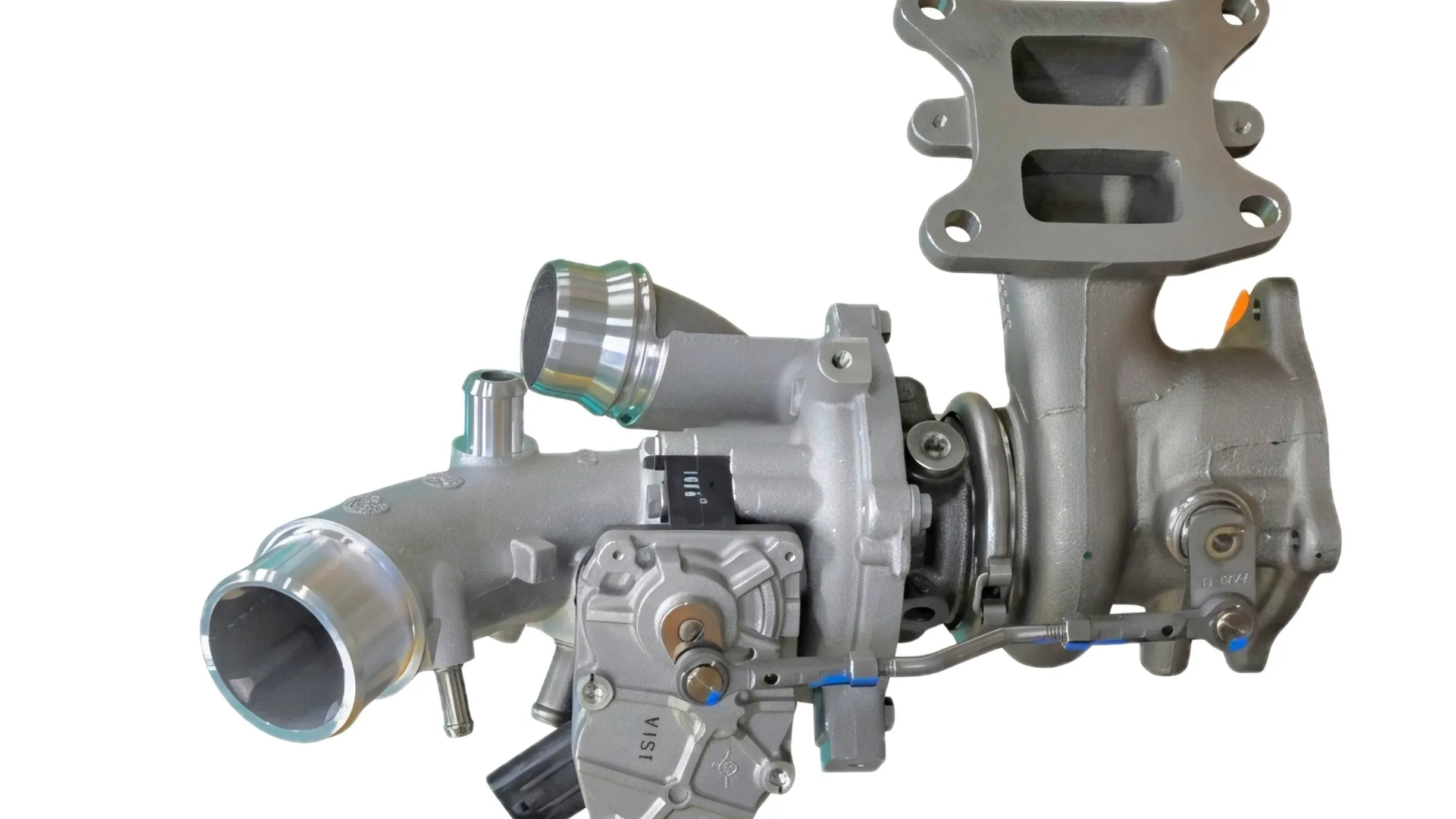
BorgWarner secures three turbocharger contracts with global powertrain leader

BorgWarner has secured three new turbocharger contracts with a global powertrain technology company. The wins comprise one contract for its variable turbine geometry (VTG) turbocharger and two for its wastegate turbocharger. The technologies will be deployed in the customer's light-vehicle gasoline platforms in South America and Europe, with production scheduled to begin in 2027.The VTG turbochargers are designed for gasoline engines operating under demanding conditions and high-boost pressure requirements. They are engineered to support Miller-cycle engines and withstand exhaust temperatures ..

Next Story
Infrastructure Transport

International Digi Yatra Trials Begin at Seven Airports

India has begun trials of Digi Yatra for international passengers at seven airports, allowing eligible Indian passport holders to use facial recognition at selected airport checkpoints. The facility is currently limited to Indian nationals with e-passports travelling on selected international flights operated by Air India and IndiGo. The Civil Aviation Ministry announced the trials on 1 November, with testing scheduled through December 2026. A wider rollout is expected in 2027 after the ministry assesses passenger feedback gathered during the trial period, according to PTI. The system is inten..

Next Story
Infrastructure Transport

Air India Plans More Wide-Body Jets, CEO Signals Profitability Soon

Air India is seeking to expand its order for wide-body aircraft as it works to increase international passenger traffic, chief executive Tewolde Gebremariam said on Tuesday. The Tata Group-owned carrier is also targeting a return to profitability in the near term, as its turnaround programme addresses fleet, network and service challenges. The comments came months after Gebremariam took charge of the airline. Gebremariam, who previously led Ethiopian Airlines, said the airline wanted more wide-body aircraft. Air India has held discussions with Boeing and Airbus while assessing the economics of..

Advertisement

Subscribe to Our Newsletter

Get daily newsletters around different themes from Construction world.

STAY CONNECTED

Advertisement

SPECIAL OFFER
QR Code