Scindia Announces Advisory Panel for Telecom Startups, MSMEs
ECONOMY & POLICY

Scindia Announces Advisory Panel for Telecom Startups, MSMEs

Communications Minister Jyotiraditya Scindia has announced the formation of an advisory panel to address concerns raised by telecom startups and micro, small and medium enterprises (MSMEs). The panel will facilitate government support and help Indian entrepreneurs focus on developing indigenous technologies.

The announcement was made at the Telecom Startups and MSME Conclave 2026, which showcased domestic telecom technologies and brought startups and MSMEs together with industry leaders, investors and policymakers. Scindia said the government would act as a facilitator so entrepreneurs could concentrate on product development as India expands its role as a creator and supplier of technology.

He said telecom entrepreneurs had received seed funding from the Department of Telecommunications (DoT) through schemes including the Digital Communication Innovation Square (DCIS), Telecom Technology Development Fund (TTDF) and Technology Development and Investment Promotion (TDIP). The DCIS scheme supports the development and commercialisation of indigenous telecom products, while the TTDF funds research and development, particularly for rural connectivity.

According to Scindia, around 200 investments under the DCIS scheme had helped 96 products across 80 companies reach commercialisation. The TDIP scheme promotes India’s participation in global telecom standardisation and supports the development of domestic technologies, with the advisory panel intended to extend similar assistance to more companies.

Scindia said India had grown from a few hundred startups in 2014 to more than 200,000, and the government wanted to replicate this expansion in the telecom sector through funding and policy measures. The DoT is also supporting the sector through 100 5G Use Case Labs for product testing and deployment.

The conclave included discussions on the Regulatory Sandbox and Captive Non-Public Networks under the Telecommunications Act, 2023. Sessions covered five parts of the telecom technology stack, including radio access networks and core systems, applications, chipsets, security and standards.

Communications Minister Jyotiraditya Scindia has announced the formation of an advisory panel to address concerns raised by telecom startups and micro, small and medium enterprises (MSMEs). The panel will facilitate government support and help Indian entrepreneurs focus on developing indigenous technologies. The announcement was made at the Telecom Startups and MSME Conclave 2026, which showcased domestic telecom technologies and brought startups and MSMEs together with industry leaders, investors and policymakers. Scindia said the government would act as a facilitator so entrepreneurs could concentrate on product development as India expands its role as a creator and supplier of technology. He said telecom entrepreneurs had received seed funding from the Department of Telecommunications (DoT) through schemes including the Digital Communication Innovation Square (DCIS), Telecom Technology Development Fund (TTDF) and Technology Development and Investment Promotion (TDIP). The DCIS scheme supports the development and commercialisation of indigenous telecom products, while the TTDF funds research and development, particularly for rural connectivity. According to Scindia, around 200 investments under the DCIS scheme had helped 96 products across 80 companies reach commercialisation. The TDIP scheme promotes India’s participation in global telecom standardisation and supports the development of domestic technologies, with the advisory panel intended to extend similar assistance to more companies. Scindia said India had grown from a few hundred startups in 2014 to more than 200,000, and the government wanted to replicate this expansion in the telecom sector through funding and policy measures. The DoT is also supporting the sector through 100 5G Use Case Labs for product testing and deployment. The conclave included discussions on the Regulatory Sandbox and Captive Non-Public Networks under the Telecommunications Act, 2023. Sessions covered five parts of the telecom technology stack, including radio access networks and core systems, applications, chipsets, security and standards.

Related Stories

Gold Stories

Next Story
Infrastructure Transport

Shillong Airport Expansion on Track for December 2027 Finish

Work on the expansion of Shillong Airport and its runway is progressing according to schedule, with completion targeted for December 2027, Transport and Civil Aviation Department Secretary Sanjay Goyal said. The construction is being carried out under the approved master plan, and officials are monitoring progress to ensure the planned timeline is maintained. Goyal said the work was in full swing and there was currently no reason to anticipate a delay. The project is intended to improve the airport’s capacity and strengthen air connectivity to and from the region as demand for air travel inc..

Next Story
Infrastructure Transport

GMR Hyderabad Airport Enhances Cargo Capacity

GMR Hyderabad International Airport has enhanced its cargo-handling infrastructure by commissioning an upgraded Elevated Transfer Vehicle (ETV)-based storage system at its Cargo Terminal. The facility has been upgraded within the existing terminal footprint, allowing the airport to expand capacity without requiring additional space. The new system has increased Unit Load Device (ULD) storage capacity from 33 to 80 ULDs. This represents an increase of more than double and is intended to provide greater operational flexibility as cargo volumes and freighter activity expand. The additional storag..
Next Story
Infrastructure Urban

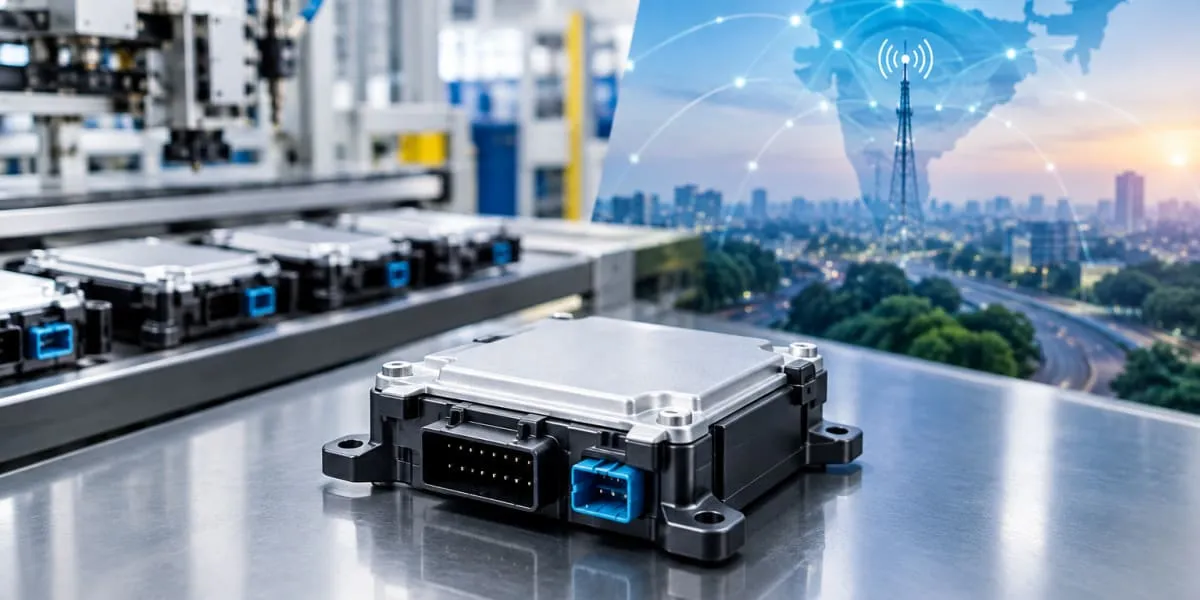
Visteon Expands Chennai Manufacturing with Cellular NAD Line

Visteon has launched a production line for Cellular Network Access Device (NAD) modules at its manufacturing plant in Chennai, Tamil Nadu. The investment expands the automotive technology company’s local manufacturing capabilities and strengthens its regional supply chain. The line was inaugurated by Sachin Lawande, Visteon’s President and Chief Executive Officer, along with members of the company’s leadership team. Production in Chennai positions India as a manufacturing base for Cellular NAD technology and enables the company to serve customers in international markets from the region...

Subscribe to Our Newsletter

Get daily newsletters around different themes from Construction world.

STAY CONNECTED

Advertisement

SPECIAL OFFER
QR Code