IndiGo Develops Premium Offering as It Reviews Fuel Hedging
AVIATION & AIRPORTS

IndiGo Develops Premium Offering as It Reviews Fuel Hedging

IndiGo is developing premium products and reviewing its fuel hedging policy as it prepares for international expansion and increased competition from global airlines. Chief Executive Officer Willie Walsh said the first 10 Airbus A350 aircraft would have 16 business-class flatbed seats, alongside premium economy and economy cabins.

The airline is considering whether to increase the business-class capacity on later A350 deliveries. IndiGo has 60 A350s on order, with the first aircraft scheduled for delivery in the second quarter of calendar year 2028, subject to Airbus and supplier readiness. The carrier also has four A321XLR aircraft in operation and expects that fleet to reach seven next year.

IndiGo plans to continue investing in its Stretch product for domestic and international markets. It is conducting a detailed assessment of fuel hedging, a practice involving financial contracts to manage exposure to changes in fuel prices, as its long-haul expansion brings a different competitive environment.

The matter was discussed by the board last week, and management is expected to return with a more comprehensive assessment at a future meeting. IndiGo has not decided to begin hedging and currently considers remaining unhedged the appropriate approach. Any change would be accompanied by an explanation of its rationale, with management viewing hedging as a tool for risk management and stability rather than a bet on fuel prices.

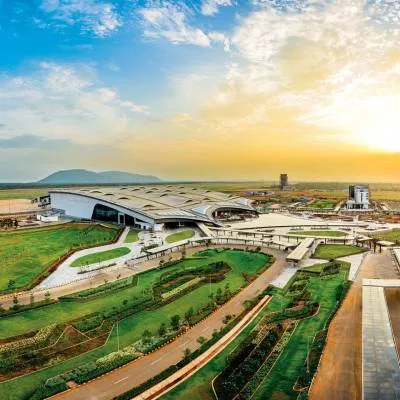
Walsh said major Asian carriers were typically around 40 per cent hedged, while European airlines were generally 70 to 80 per cent hedged. IndiGo is examining international services from Delhi, Mumbai and Bengaluru, with greater clarity on A350 routes expected closer to their introduction. Navi Mumbai airport is also viewed as a significant long-term opportunity, while cargo is expected to play a critical role in future long-haul operations. The airline plans to expand across both Mumbai airports without sacrificing the efficiency of its narrow-body network, and has also called for lower airport charges and taxes.

IndiGo is developing premium products and reviewing its fuel hedging policy as it prepares for international expansion and increased competition from global airlines. Chief Executive Officer Willie Walsh said the first 10 Airbus A350 aircraft would have 16 business-class flatbed seats, alongside premium economy and economy cabins. The airline is considering whether to increase the business-class capacity on later A350 deliveries. IndiGo has 60 A350s on order, with the first aircraft scheduled for delivery in the second quarter of calendar year 2028, subject to Airbus and supplier readiness. The carrier also has four A321XLR aircraft in operation and expects that fleet to reach seven next year. IndiGo plans to continue investing in its Stretch product for domestic and international markets. It is conducting a detailed assessment of fuel hedging, a practice involving financial contracts to manage exposure to changes in fuel prices, as its long-haul expansion brings a different competitive environment. The matter was discussed by the board last week, and management is expected to return with a more comprehensive assessment at a future meeting. IndiGo has not decided to begin hedging and currently considers remaining unhedged the appropriate approach. Any change would be accompanied by an explanation of its rationale, with management viewing hedging as a tool for risk management and stability rather than a bet on fuel prices. Walsh said major Asian carriers were typically around 40 per cent hedged, while European airlines were generally 70 to 80 per cent hedged. IndiGo is examining international services from Delhi, Mumbai and Bengaluru, with greater clarity on A350 routes expected closer to their introduction. Navi Mumbai airport is also viewed as a significant long-term opportunity, while cargo is expected to play a critical role in future long-haul operations. The airline plans to expand across both Mumbai airports without sacrificing the efficiency of its narrow-body network, and has also called for lower airport charges and taxes.

Related Stories

Gold Stories

Next Story
Equipment

BorgWarner secures three turbocharger contracts with global powertrain leader

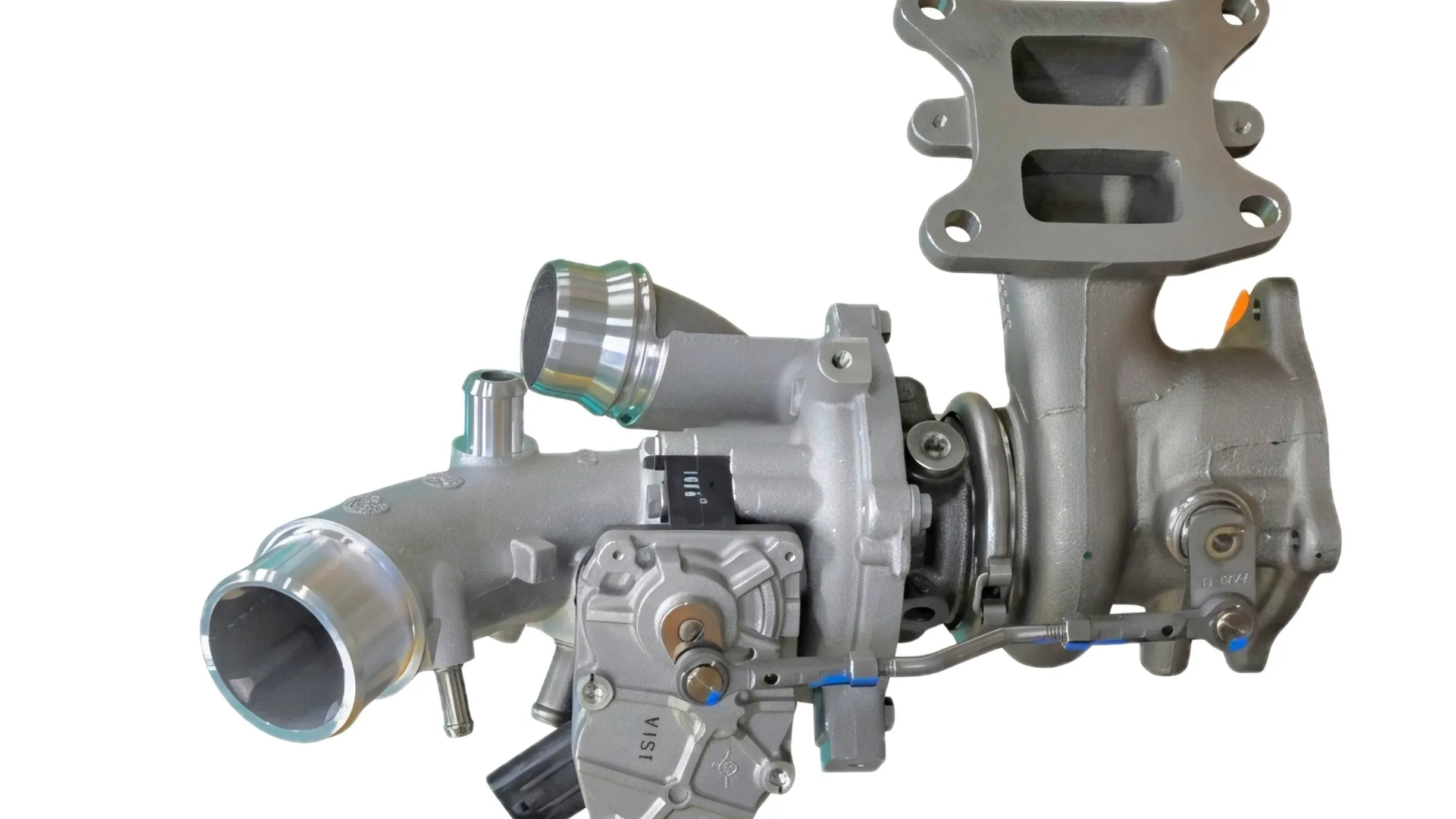
BorgWarner has secured three new turbocharger contracts with a global powertrain technology company. The wins comprise one contract for its variable turbine geometry (VTG) turbocharger and two for its wastegate turbocharger. The technologies will be deployed in the customer's light-vehicle gasoline platforms in South America and Europe, with production scheduled to begin in 2027.The VTG turbochargers are designed for gasoline engines operating under demanding conditions and high-boost pressure requirements. They are engineered to support Miller-cycle engines and withstand exhaust temperatures ..
Next Story
Infrastructure Transport

International Digi Yatra Trials Begin at Seven Airports

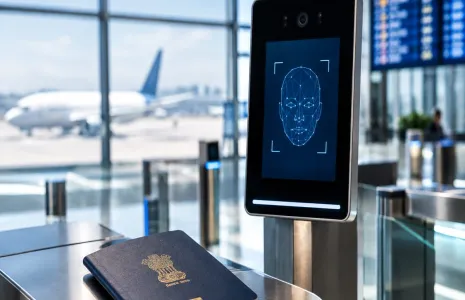
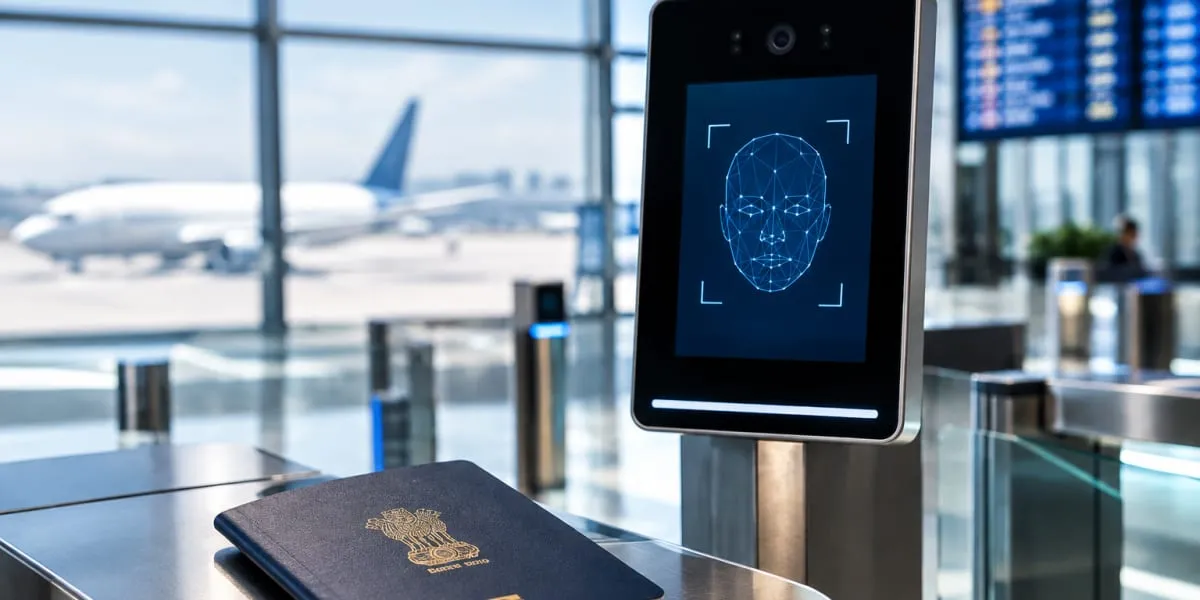
India has begun trials of Digi Yatra for international passengers at seven airports, allowing eligible Indian passport holders to use facial recognition at selected airport checkpoints. The facility is currently limited to Indian nationals with e-passports travelling on selected international flights operated by Air India and IndiGo. The Civil Aviation Ministry announced the trials on 1 November, with testing scheduled through December 2026. A wider rollout is expected in 2027 after the ministry assesses passenger feedback gathered during the trial period, according to PTI. The system is inten..

Next Story
Infrastructure Transport

Air India Plans More Wide-Body Jets, CEO Signals Profitability Soon

Air India is seeking to expand its order for wide-body aircraft as it works to increase international passenger traffic, chief executive Tewolde Gebremariam said on Tuesday. The Tata Group-owned carrier is also targeting a return to profitability in the near term, as its turnaround programme addresses fleet, network and service challenges. The comments came months after Gebremariam took charge of the airline. Gebremariam, who previously led Ethiopian Airlines, said the airline wanted more wide-body aircraft. Air India has held discussions with Boeing and Airbus while assessing the economics of..

Advertisement

Subscribe to Our Newsletter

Get daily newsletters around different themes from Construction world.

STAY CONNECTED

Advertisement

SPECIAL OFFER
QR Code