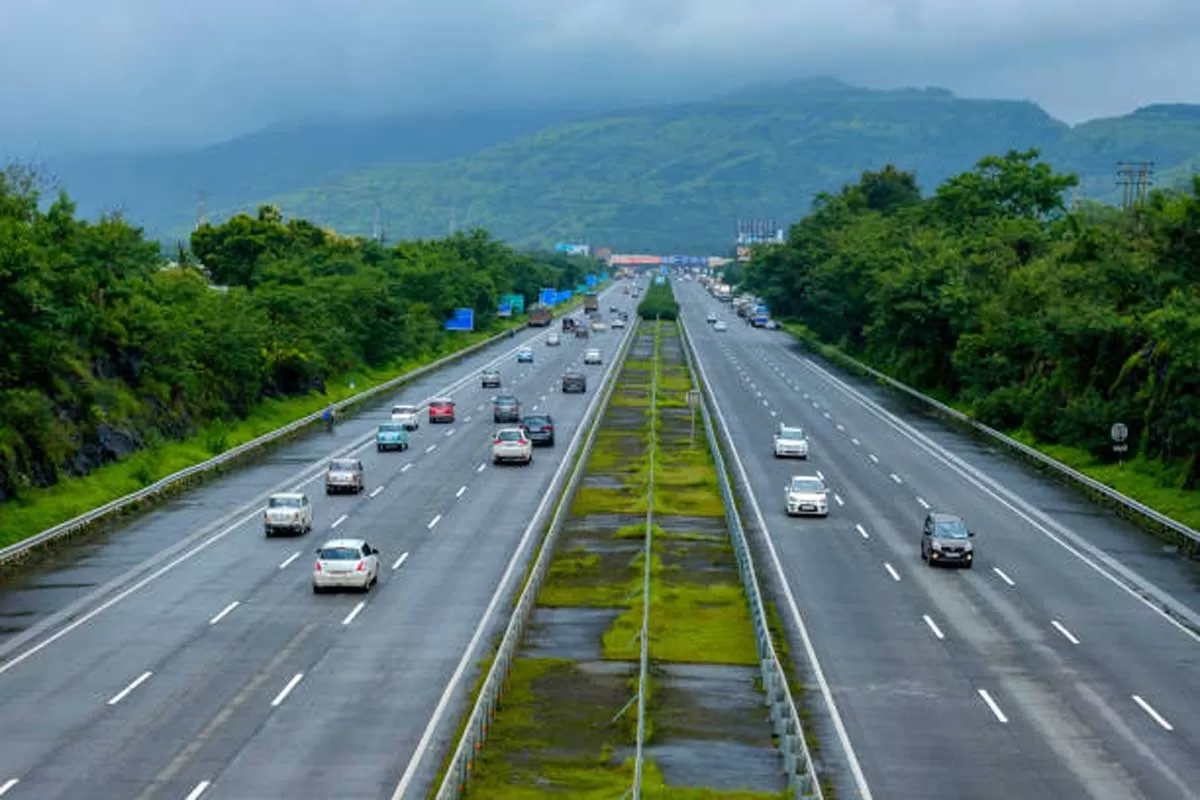
Delhi HC directs NHAI to address concerns over excessive toll collection
ROADS & HIGHWAYS

Delhi HC directs NHAI to address concerns over excessive toll collection

The Delhi High Court has instructed the National Highway Authority of India (NHAI) to review a representation regarding the alleged excessive collection of toll fees and the installation of toll plazas on highways nationwide. During a hearing on September 25, a bench led by Chief Justice Manmohan and Justice Tushar Rao Gedela disposed of a public interest litigation (PIL), allowing petitioner Anand Mishra to submit a detailed representation to the NHAI within two weeks.

The court mandated that the NHAI respond to the representation within four weeks, following legal guidelines.

Mishra, a lawyer, argued that according to the National Highways Fee (Determination of Rates and Collection) Rules, the NHAI is prohibited from collecting tolls on partially completed highway sections, and toll plazas cannot be established within 60 kilometers of each other. He claimed that the NHAI has unlawfully collected excessive tolls from commuters.

The petitioner requested that the NHAI immediately comply with Rules 3(2) and 8(2) of the National Highways Fee Rules, 2008, across the country. He further sought a court order for the NHAI to conduct a survey and form a committee to assess the toll amounts collected in violation of these rules, with a directive to refund the excess fees promptly.

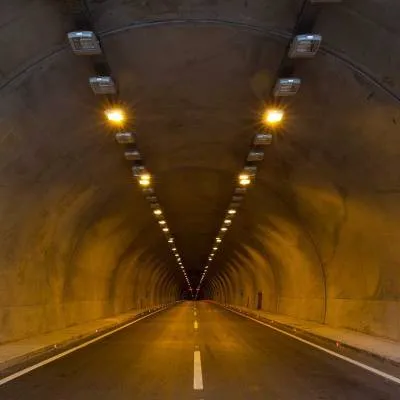
Rule 3(2) stipulates that toll collection can only commence within 45 days after the completion of a section of the national highway, permanent bridge, bypass, or tunnel funded by public projects. Rule 8(2) prohibits the establishment of additional toll plazas within 60 kilometers along the same highway section.

Mishra informed the court that he had submitted a representation to the authorities in August, but no action had been taken.

The Delhi High Court has instructed the National Highway Authority of India (NHAI) to review a representation regarding the alleged excessive collection of toll fees and the installation of toll plazas on highways nationwide. During a hearing on September 25, a bench led by Chief Justice Manmohan and Justice Tushar Rao Gedela disposed of a public interest litigation (PIL), allowing petitioner Anand Mishra to submit a detailed representation to the NHAI within two weeks. The court mandated that the NHAI respond to the representation within four weeks, following legal guidelines. Mishra, a lawyer, argued that according to the National Highways Fee (Determination of Rates and Collection) Rules, the NHAI is prohibited from collecting tolls on partially completed highway sections, and toll plazas cannot be established within 60 kilometers of each other. He claimed that the NHAI has unlawfully collected excessive tolls from commuters. The petitioner requested that the NHAI immediately comply with Rules 3(2) and 8(2) of the National Highways Fee Rules, 2008, across the country. He further sought a court order for the NHAI to conduct a survey and form a committee to assess the toll amounts collected in violation of these rules, with a directive to refund the excess fees promptly. Rule 3(2) stipulates that toll collection can only commence within 45 days after the completion of a section of the national highway, permanent bridge, bypass, or tunnel funded by public projects. Rule 8(2) prohibits the establishment of additional toll plazas within 60 kilometers along the same highway section. Mishra informed the court that he had submitted a representation to the authorities in August, but no action had been taken.

Next Story
Infrastructure Transport

India Becomes First to Produce Bio-Bitumen for Roads

India has become the first country in the world to commercially produce bio-bitumen for use in road construction, according to Road, Transport and Highways Minister Nitin Gadkari. Bitumen, a black and viscous hydrocarbon derived from crude oil, is a key binding material in road building, and the bio-based alternative is expected to significantly improve the sector’s environmental footprint.Addressing the CSIR Technology Transfer Ceremony in New Delhi, Mr Gadkari congratulated Council of Scientific and Industrial Research on achieving the milestone, noting that the initiative would help curb ..

Next Story
Infrastructure Urban

HILT Policy Seen Boosting Telangana Revenue Sharply

The Hyderabad Industrial Land Transformation (HILT) Policy is expected to generate around Rs 1.08 billion in revenue for the Telangana state exchequer, according to Deputy Chief Minister Bhatti Vikramarka Mallu. Speaking in the Telangana Legislative Assembly, he said the policy would be implemented within a six-month timeframe in a transparent manner, with uniform rules applicable to all stakeholders. Mr Vikramarka noted that without the HILT Policy, the state would have earned only about Rs 1.2 million per acre. Under the new framework, however, revenue is projected to rise sharply to Rs 70 ..

Next Story
Infrastructure Urban

India Post, MoRD Tie Up to Boost Rural Inclusion

The Department of Posts and the Ministry of Rural Development have signed a Memorandum of Understanding to accelerate rural transformation and expand financial, digital and logistics services for Self-Help Groups (SHGs) and rural households across India. The agreement was signed in the presence of Union Minister of Communications and Development of North Eastern Region Jyotiraditya M. Scindia and Union Minister of Rural Development and Agriculture and Farmers’ Welfare Shivraj Singh Chouhan. The collaboration aligns with the government’s “Dak Sewa, Jan Sewa” vision and seeks to repositi..

Advertisement

Subscribe to Our Newsletter

Get daily newsletters around different themes from Construction world.

STAY CONNECTED

Advertisement

Advertisement

Advertisement

Advertisement

Open In App