Plastic Waste Used to Build Roads in Hubballi-Dharwad
ROADS & HIGHWAYS

Plastic Waste Used to Build Roads in Hubballi-Dharwad

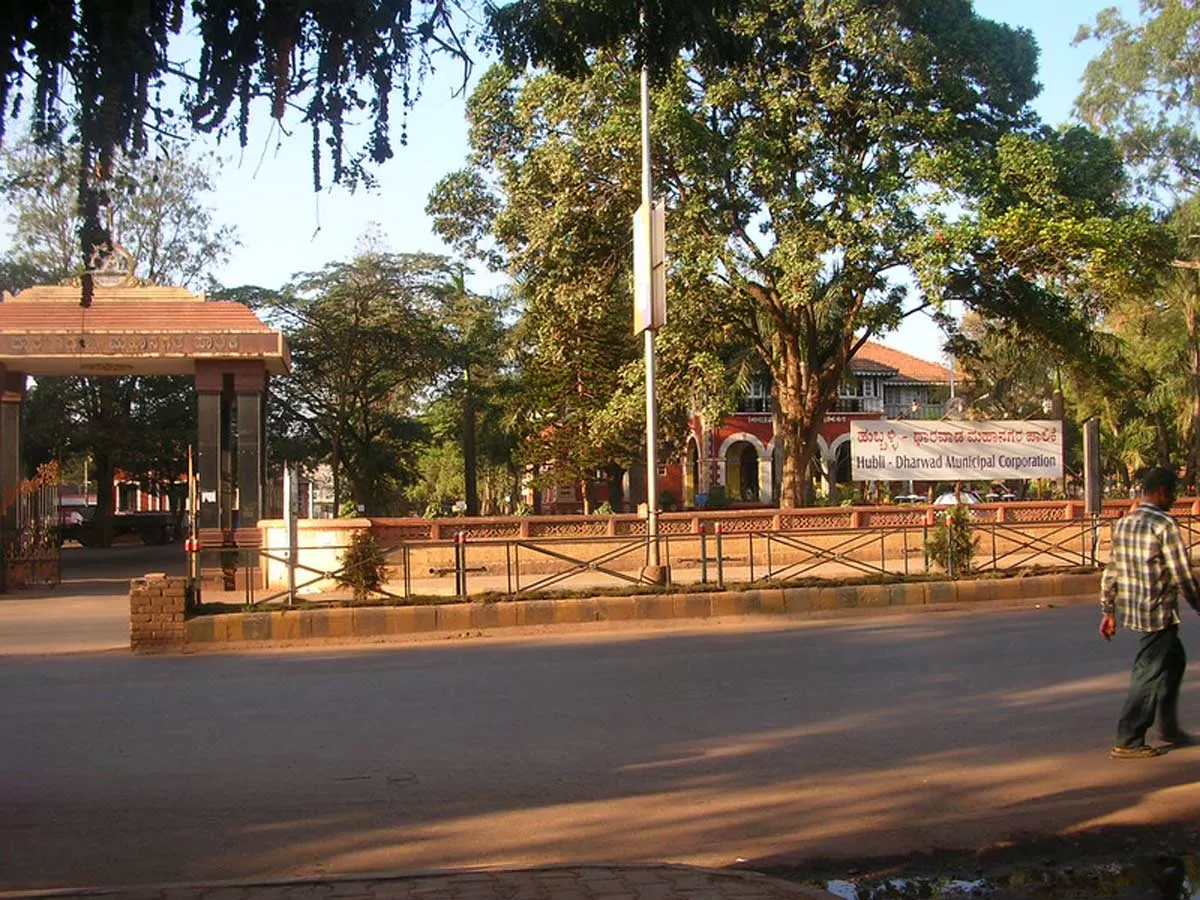
In a notable step towards sustainability, the Hubballi-Dharwad Municipal Corporation (HDMC) has shown that single-use plastic waste—often considered a severe environmental threat—can be converted into a valuable resource for infrastructure development.

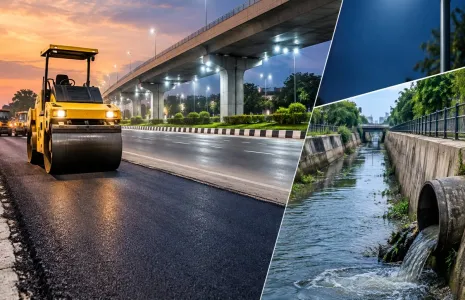
Under an innovative pilot project, plastic waste is being used in the construction of asphalt roads in Lingarajnagar, Hubballi. By merging waste management with infrastructure planning, HDMC is transforming discarded plastic into a sustainable solution that benefits both the urban landscape and the environment.

The process begins with daily household waste collection by HDMC. Once transported to the compactor station, plastic suitable for construction use is segregated, shredded using specialised machinery, and sent to the asphalt mixing plant.

At the facility, the plastic is combined with gravel and tar. Roughly 8 per cent of the bitumen normally used in the mixture is replaced with shredded plastic. This not only enhances the durability of the roads but also improves resistance to water damage, surface wear, and potholes.

Beyond environmental gains, these plastic-reinforced roads prove to be economical—saving up to Rs 1.5 million per kilometre compared to conventional asphalt roads.

HDMC’s Commissioner confirmed that the civic body plans to incorporate plastic waste in all future road projects. “By repurposing plastic waste for road construction, we are reducing pollution while improving the quality and resilience of our roads,” he stated.

“Hubballi-Dharwad is setting an example—turning hazardous plastic into a resource for a more sustainable and forward-looking city,” he added.


In a notable step towards sustainability, the Hubballi-Dharwad Municipal Corporation (HDMC) has shown that single-use plastic waste—often considered a severe environmental threat—can be converted into a valuable resource for infrastructure development.Under an innovative pilot project, plastic waste is being used in the construction of asphalt roads in Lingarajnagar, Hubballi. By merging waste management with infrastructure planning, HDMC is transforming discarded plastic into a sustainable solution that benefits both the urban landscape and the environment.The process begins with daily household waste collection by HDMC. Once transported to the compactor station, plastic suitable for construction use is segregated, shredded using specialised machinery, and sent to the asphalt mixing plant.At the facility, the plastic is combined with gravel and tar. Roughly 8 per cent of the bitumen normally used in the mixture is replaced with shredded plastic. This not only enhances the durability of the roads but also improves resistance to water damage, surface wear, and potholes.Beyond environmental gains, these plastic-reinforced roads prove to be economical—saving up to Rs 1.5 million per kilometre compared to conventional asphalt roads.HDMC’s Commissioner confirmed that the civic body plans to incorporate plastic waste in all future road projects. “By repurposing plastic waste for road construction, we are reducing pollution while improving the quality and resilience of our roads,” he stated.“Hubballi-Dharwad is setting an example—turning hazardous plastic into a resource for a more sustainable and forward-looking city,” he added.

Next Story
Infrastructure Transport

India Becomes First to Produce Bio-Bitumen for Roads

India has become the first country in the world to commercially produce bio-bitumen for use in road construction, according to Road, Transport and Highways Minister Nitin Gadkari. Bitumen, a black and viscous hydrocarbon derived from crude oil, is a key binding material in road building, and the bio-based alternative is expected to significantly improve the sector’s environmental footprint.Addressing the CSIR Technology Transfer Ceremony in New Delhi, Mr Gadkari congratulated Council of Scientific and Industrial Research on achieving the milestone, noting that the initiative would help curb ..

Next Story
Infrastructure Urban

HILT Policy Seen Boosting Telangana Revenue Sharply

The Hyderabad Industrial Land Transformation (HILT) Policy is expected to generate around Rs 1.08 billion in revenue for the Telangana state exchequer, according to Deputy Chief Minister Bhatti Vikramarka Mallu. Speaking in the Telangana Legislative Assembly, he said the policy would be implemented within a six-month timeframe in a transparent manner, with uniform rules applicable to all stakeholders. Mr Vikramarka noted that without the HILT Policy, the state would have earned only about Rs 1.2 million per acre. Under the new framework, however, revenue is projected to rise sharply to Rs 70 ..

Next Story
Infrastructure Urban

India Post, MoRD Tie Up to Boost Rural Inclusion

The Department of Posts and the Ministry of Rural Development have signed a Memorandum of Understanding to accelerate rural transformation and expand financial, digital and logistics services for Self-Help Groups (SHGs) and rural households across India. The agreement was signed in the presence of Union Minister of Communications and Development of North Eastern Region Jyotiraditya M. Scindia and Union Minister of Rural Development and Agriculture and Farmers’ Welfare Shivraj Singh Chouhan. The collaboration aligns with the government’s “Dak Sewa, Jan Sewa” vision and seeks to repositi..

Advertisement

Subscribe to Our Newsletter

Get daily newsletters around different themes from Construction world.

STAY CONNECTED

Advertisement

Advertisement

Advertisement

Advertisement

Open In App