Mumbai-Ahmedabad high-speed rail tunnel breakthrough
RAILWAYS & METRO RAIL

Mumbai-Ahmedabad high-speed rail tunnel breakthrough

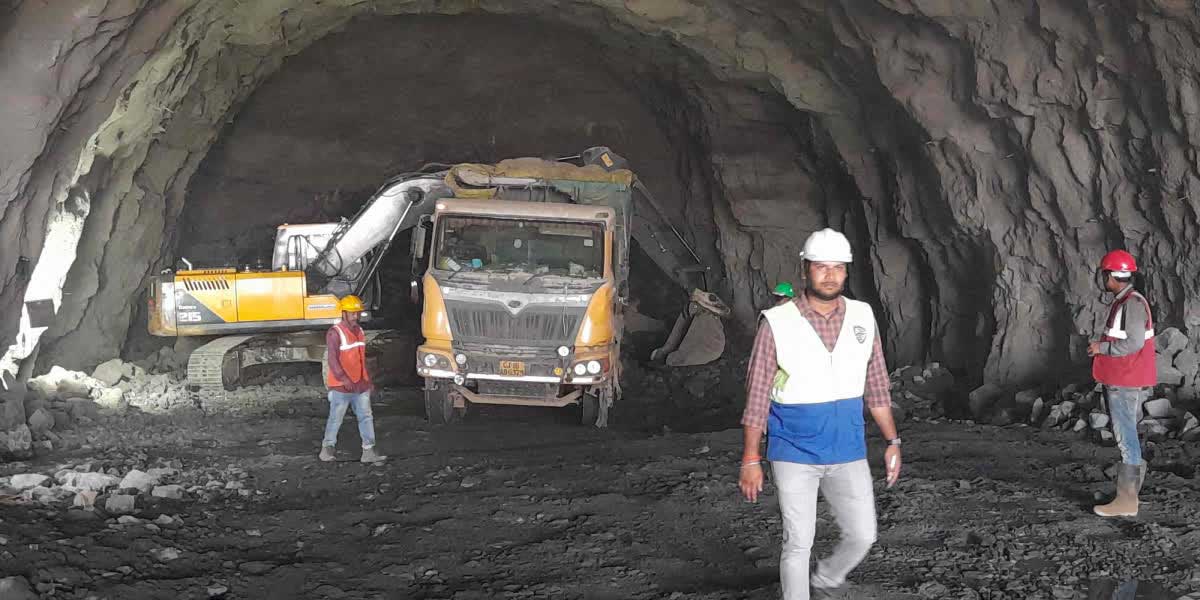
The National High-Speed Rail Corporation Limited (NHSRCL) celebrates a significant achievement as it marks the breakthrough of the mountain tunnel for the Mumbai-Ahmedabad High-Speed Rail corridor project. This remarkable feat stands as the first completed mountain tunnel, achieved in a remarkably short span of just 10 months.

Situated approximately 1 kilometre away from Zaroli Village in Umbergaon Taluka, within the Valsad district of Gujarat, this tunnel structure encompasses the tunnel itself, the tunnel portal, and other connecting elements such as the tunnel entrance hood.

The construction of this tunnel employs the New Austrian Tunnelling Method (NATM), involving a systematic process that includes:

1. Marking of drill holes on the tunnel face. 2. Drilling of holes. 3. Charging of explosives. 4. Controlled blasting. 5. Removal of muck (blasted rock pieces). 6. Installation of primary support, encompassing steel ribs, lattice girder, shotcrete, and rock bolts, tailored to the type of rock as assessed by geologists after each blast.

Salient Features of the Mountain Tunnel:

- Total Tunnel Length: 350 meters. - Diameter of Tunnel: 12.6 meters. - Height of Tunnel: 10.25 meters. - Tunnel Shape: Single tube horse-shoe shaped. - Number of Tracks: 2 tracks.

The completion of this mountain tunnel marks a significant step forward in the ambitious Mumbai-Ahmedabad High-Speed Rail project, promising enhanced connectivity and convenience for passengers in the future. The NHSRCL continues to work diligently towards the realisation of this transformative railway network.

The National High-Speed Rail Corporation Limited (NHSRCL) celebrates a significant achievement as it marks the breakthrough of the mountain tunnel for the Mumbai-Ahmedabad High-Speed Rail corridor project. This remarkable feat stands as the first completed mountain tunnel, achieved in a remarkably short span of just 10 months. Situated approximately 1 kilometre away from Zaroli Village in Umbergaon Taluka, within the Valsad district of Gujarat, this tunnel structure encompasses the tunnel itself, the tunnel portal, and other connecting elements such as the tunnel entrance hood. The construction of this tunnel employs the New Austrian Tunnelling Method (NATM), involving a systematic process that includes: 1. Marking of drill holes on the tunnel face. 2. Drilling of holes. 3. Charging of explosives. 4. Controlled blasting. 5. Removal of muck (blasted rock pieces). 6. Installation of primary support, encompassing steel ribs, lattice girder, shotcrete, and rock bolts, tailored to the type of rock as assessed by geologists after each blast. Salient Features of the Mountain Tunnel: - Total Tunnel Length: 350 meters. - Diameter of Tunnel: 12.6 meters. - Height of Tunnel: 10.25 meters. - Tunnel Shape: Single tube horse-shoe shaped. - Number of Tracks: 2 tracks. The completion of this mountain tunnel marks a significant step forward in the ambitious Mumbai-Ahmedabad High-Speed Rail project, promising enhanced connectivity and convenience for passengers in the future. The NHSRCL continues to work diligently towards the realisation of this transformative railway network.

Next Story
Real Estate

Loomcraft Enters South India with Kerala Store Launch

Loomcraft has launched its exclusive store in Kerala, marking its entry into South India and a key step in its nationwide expansion strategy. The move targets a region driven by tourism and premium real estate demand, where outdoor spaces play a central role in hospitality and residential experiences.Kerala’s growing base of luxury resorts, boutique hotels, villas and gated communities has created strong demand for specialised outdoor furniture. However, the region has remained underserved, with buyers relying on imports or generic products not suited to humid, coastal and monsoon-heavy cond..

Next Story
Building Material

Mild Steel Prices Seen Rising to Rs 61,000 Per Tonne

Mild steel prices in India, currently around Rs 58,000 per tonne, are expected to rise to nearly Rs 61,000 per tonne in April, indicating an increase of about Rs 3,000 per tonne. The anticipated rise reflects structural pressures driven by geopolitical tensions, energy constraints and limited raw material availability.Ongoing global conflict has disrupted energy markets, leading to LNG shortages that are affecting domestic steel production. Small and mid-sized manufacturers, particularly those dependent on gas-based processes, are witnessing production cuts due to constrained energy supply, re..

Next Story
Infrastructure Urban

Vedanta Expands Transgender Workforce to 75 Employees

Vedanta has strengthened its commitment to workplace inclusion by employing 75 transgender individuals across its businesses, including Vedanta Aluminium, Hindustan Zinc, Sesa Goa, FACOR and Cairn Oil & Gas. The initiative reflects sustained hiring efforts since 2022 to build equitable opportunities across operations, corporate and technical roles.Transgender employees are engaged in functions such as operations, finance, logistics, HR, CSR, healthcare and security, with provisions for internal mobility to support career progression. The company has implemented structured policies, includi..

Advertisement

Subscribe to Our Newsletter

Get daily newsletters around different themes from Construction world.

STAY CONNECTED

Advertisement

Advertisement

Advertisement