Pune Metro Line 3 Opens to Passengers After Modi Inauguration
RAILWAYS & METRO RAIL

Pune Metro Line 3 Opens to Passengers After Modi Inauguration

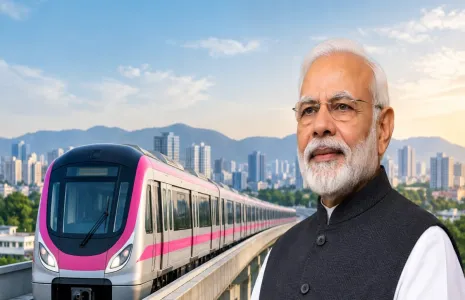
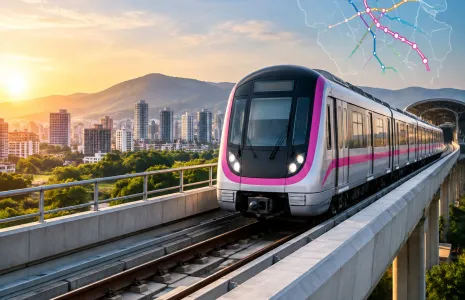
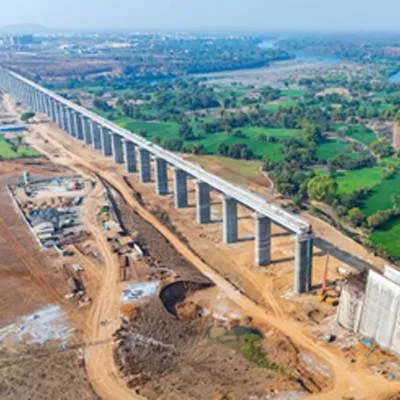
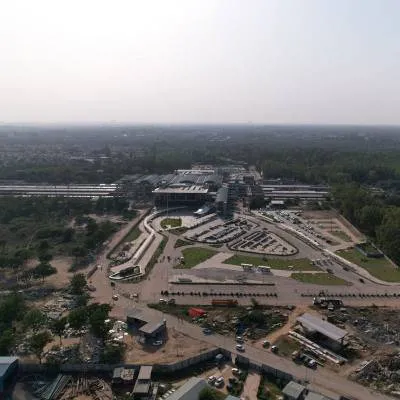
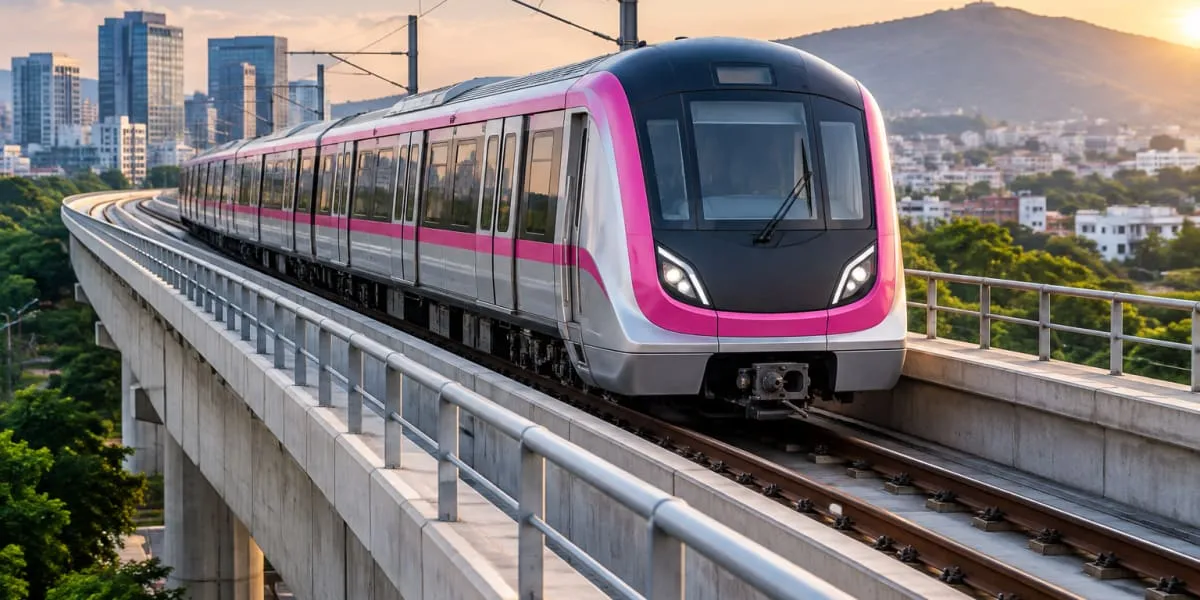
Pune’s 23.2 km Hinjewadi-Shivajinagar Metro Line 3 began passenger services on Wednesday, 4 November, a day after Prime Minister Narendra Modi inaugurated the corridor. The elevated Pink Line connects the Maan-Hinjewadi information technology hub with Shivajinagar through 23 stations.

The line was built at a cost of Rs. 83.13 bn and is India’s first metro project developed under the public-private partnership design, build, finance, operate and transfer model. Women are expected to account for nearly half of its workforce. Maharashtra Chief Minister Devendra Fadnavis said the line had overcome several challenges before becoming operational.

During the inauguration, Modi said the expansion would improve connections between Pune’s older areas and its rapidly developing eastern and western suburbs. He also laid the foundation for the city’s 44.39 km Phase 2 expansion, which is estimated to cost Rs. 134.84 bn and will add 41 elevated stations across four corridors.

The expansion includes Line 4 between Kharadi and Khadakwasla, covering 25.52 km with 22 stations, and Line 4A, a 6.12 km spur connecting Nal Stop, Warje and Manik Baug through six stations. Together, these projects will cost Rs. 98.58 bn. Extensions between Vanaz and Chandani Chowk and between Ramwadi and Wagholi and Vitthalwadi will add 12.75 km and 13 stations at a cost of Rs. 36.26 bn.

The expanded network is projected to carry about 409,000 passengers a day by 2030. Modi said India’s operational metro network had grown from 248 km in 2014 to nearly 1,200 km, with services now available in 26 cities and more than 10 mn daily passengers. Maharashtra’s network has increased from roughly 10 to 11 km to nearly 200 km, while more than 680 km is under construction. Investments exceeding Rs. 2.5 tn have been made in the state’s metro infrastructure.

Pune’s 23.2 km Hinjewadi-Shivajinagar Metro Line 3 began passenger services on Wednesday, 4 November, a day after Prime Minister Narendra Modi inaugurated the corridor. The elevated Pink Line connects the Maan-Hinjewadi information technology hub with Shivajinagar through 23 stations. The line was built at a cost of Rs. 83.13 bn and is India’s first metro project developed under the public-private partnership design, build, finance, operate and transfer model. Women are expected to account for nearly half of its workforce. Maharashtra Chief Minister Devendra Fadnavis said the line had overcome several challenges before becoming operational. During the inauguration, Modi said the expansion would improve connections between Pune’s older areas and its rapidly developing eastern and western suburbs. He also laid the foundation for the city’s 44.39 km Phase 2 expansion, which is estimated to cost Rs. 134.84 bn and will add 41 elevated stations across four corridors. The expansion includes Line 4 between Kharadi and Khadakwasla, covering 25.52 km with 22 stations, and Line 4A, a 6.12 km spur connecting Nal Stop, Warje and Manik Baug through six stations. Together, these projects will cost Rs. 98.58 bn. Extensions between Vanaz and Chandani Chowk and between Ramwadi and Wagholi and Vitthalwadi will add 12.75 km and 13 stations at a cost of Rs. 36.26 bn. The expanded network is projected to carry about 409,000 passengers a day by 2030. Modi said India’s operational metro network had grown from 248 km in 2014 to nearly 1,200 km, with services now available in 26 cities and more than 10 mn daily passengers. Maharashtra’s network has increased from roughly 10 to 11 km to nearly 200 km, while more than 680 km is under construction. Investments exceeding Rs. 2.5 tn have been made in the state’s metro infrastructure.

Related Stories

Gold Stories

Next Story
Equipment

BorgWarner secures three turbocharger contracts with global powertrain leader

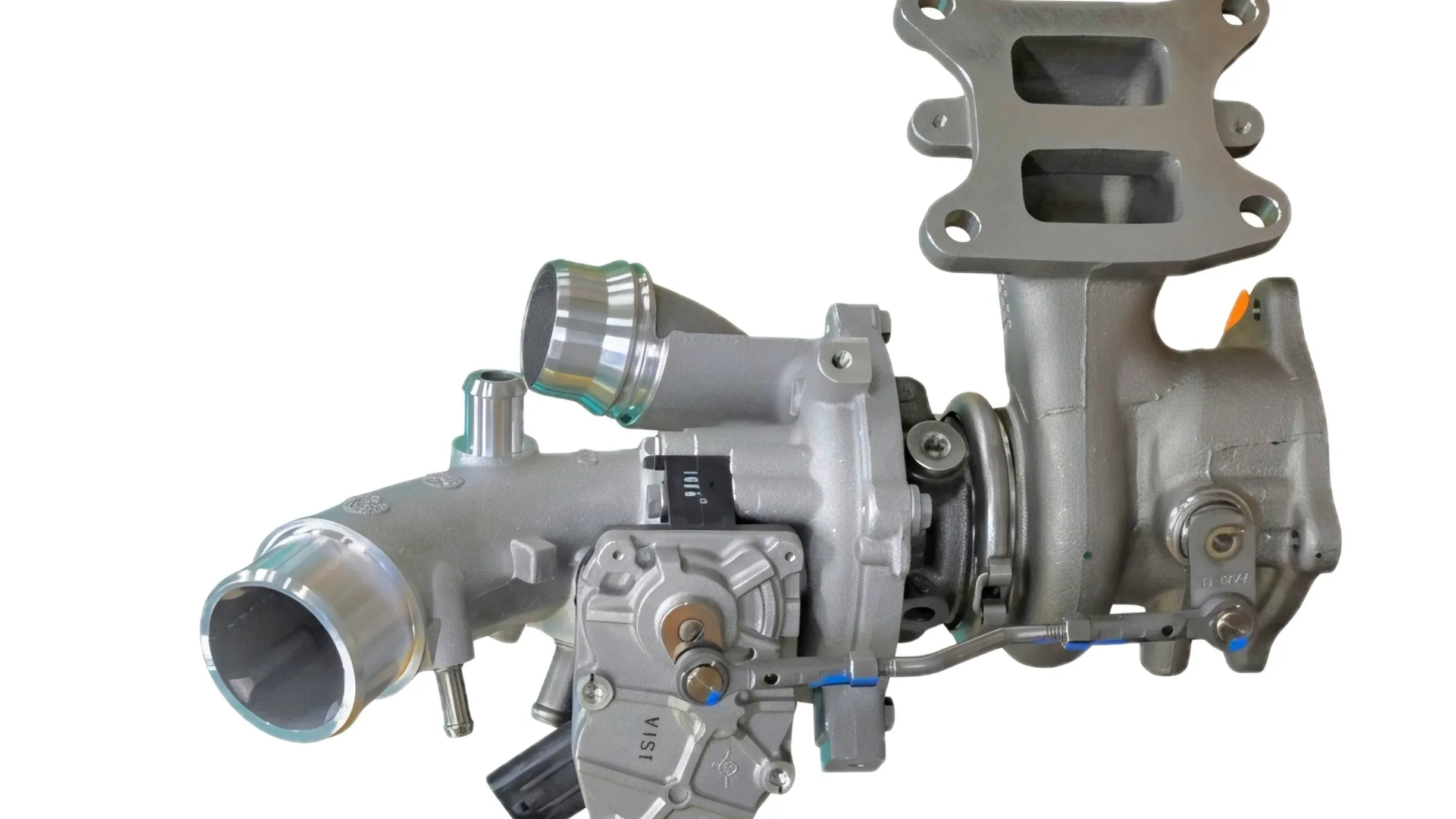
BorgWarner has secured three new turbocharger contracts with a global powertrain technology company. The wins comprise one contract for its variable turbine geometry (VTG) turbocharger and two for its wastegate turbocharger. The technologies will be deployed in the customer's light-vehicle gasoline platforms in South America and Europe, with production scheduled to begin in 2027.The VTG turbochargers are designed for gasoline engines operating under demanding conditions and high-boost pressure requirements. They are engineered to support Miller-cycle engines and withstand exhaust temperatures ..
Next Story
Infrastructure Transport

International Digi Yatra Trials Begin at Seven Airports

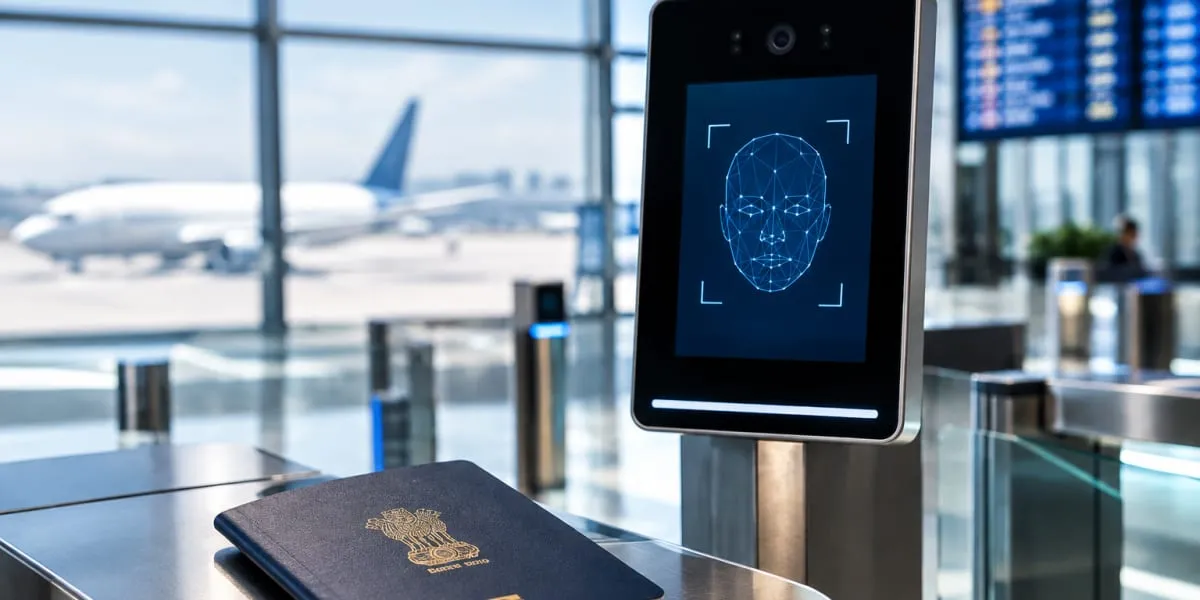
India has begun trials of Digi Yatra for international passengers at seven airports, allowing eligible Indian passport holders to use facial recognition at selected airport checkpoints. The facility is currently limited to Indian nationals with e-passports travelling on selected international flights operated by Air India and IndiGo. The Civil Aviation Ministry announced the trials on 1 November, with testing scheduled through December 2026. A wider rollout is expected in 2027 after the ministry assesses passenger feedback gathered during the trial period, according to PTI. The system is inten..
Next Story
Infrastructure Transport

Air India Plans More Wide-Body Jets, CEO Signals Profitability Soon

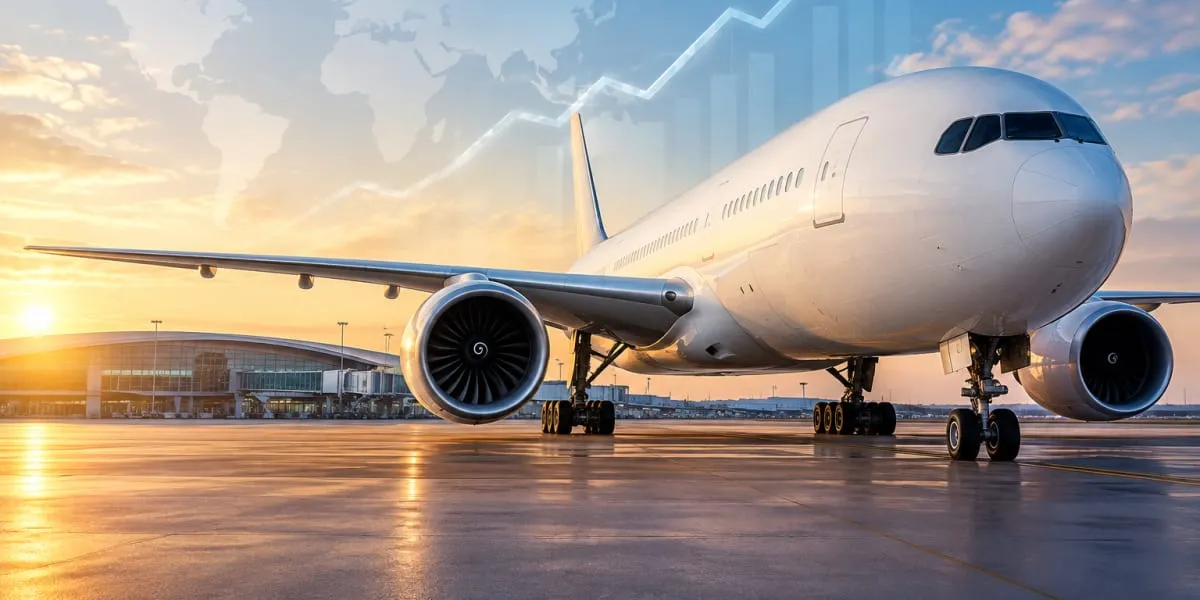
Air India is seeking to expand its order for wide-body aircraft as it works to increase international passenger traffic, chief executive Tewolde Gebremariam said on Tuesday. The Tata Group-owned carrier is also targeting a return to profitability in the near term, as its turnaround programme addresses fleet, network and service challenges. The comments came months after Gebremariam took charge of the airline. Gebremariam, who previously led Ethiopian Airlines, said the airline wanted more wide-body aircraft. Air India has held discussions with Boeing and Airbus while assessing the economics of..

Advertisement

Subscribe to Our Newsletter

Get daily newsletters around different themes from Construction world.

STAY CONNECTED

Advertisement

SPECIAL OFFER
QR Code