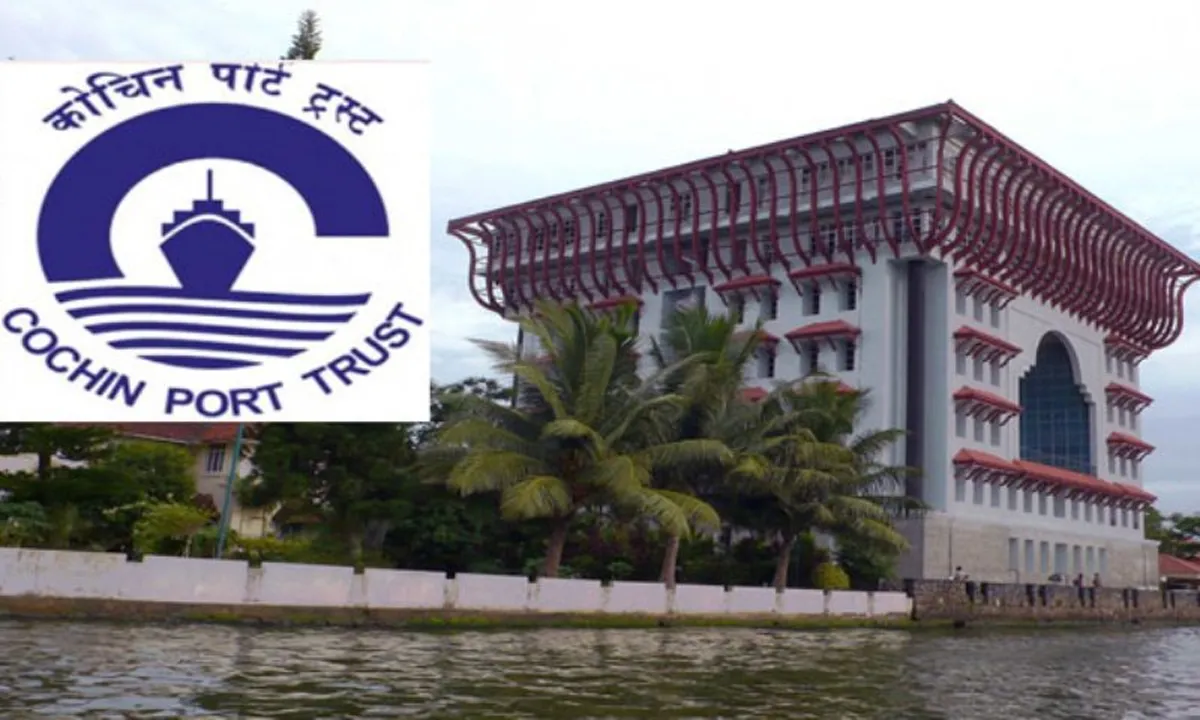
Cochin Port Offers 140 Acres On Lease To Raise Over Rs 5 Billion
PORTS & SHIPPING

Cochin Port Offers 140 Acres On Lease To Raise Over Rs 5 Billion

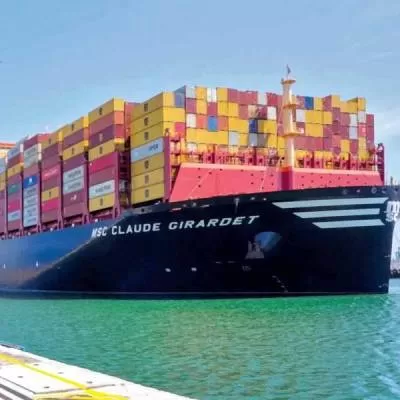
State-owned Cochin Port Authority has launched a major land monetisation initiative, offering nearly 140 acres in two parcels on long-term lease for commercial and hospitality development. The move is expected to generate more than Rs 5 billion in upfront revenue, according to multiple sources.

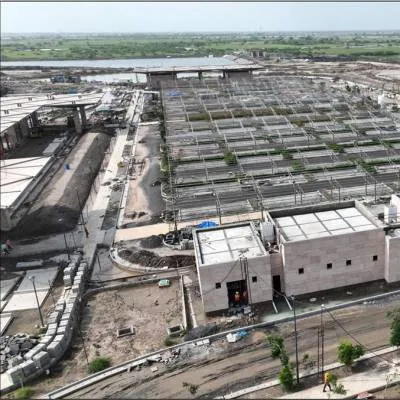
On 17 November, the port issued a tender to lease 22.38 hectares (55.30 acres) located on the southern side of NH-966B, the road linking Willingdon Island to NH-66 at Kundannoor Junction. A second tender for an additional 85-acre parcel will be released shortly, a government official confirmed.

The tender permits development of a wide range of commercial and public-use facilities, including hotels, convention centres, office complexes, stadiums, educational institutions, hospitals and public spaces. The port has set a reserve annual lease rent of Rs 127.03 million per hectare (excluding GST) for the 22.38-hectare plot.

The lease will run for an initial 30 years, with an option to renew for a further 30 years. Bidders must quote above the reserve price, with the highest bid forming the floor for a subsequent e-auction. Final allocation will go to the top bidder.

Officials said Cochin Port Authority is monetising land that cannot be used for port-related activities. Interest from at least three to four private players prompted the decision to issue the tenders.

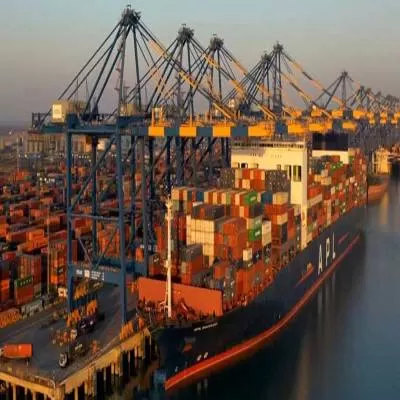
Asset monetisation via the Public-Private Partnership (PPP) route has been slow at Cochin Port due to its cargo mix. Around 60 per cent of the port’s traffic comprises oil cargo handled directly by state-run oil marketing companies, while 30 per cent is container cargo managed at the DP World-operated International Container Transhipment Terminal. The remaining 10 per cent is mainly cement cargo.

“The berths handling oil cargo cannot be privatised as they are operated by the oil companies themselves. Privatisation would significantly reduce the port authority’s revenues. Meanwhile, the limited share of non-oil and non-container cargo offers little incentive for private operators,” the official said, adding that PPP-based monetisation is unlikely to gain traction at Cochin Port.

The land-lease initiative is therefore seen as a more viable route for the port to unlock value from its non-operational land holdings.

State-owned Cochin Port Authority has launched a major land monetisation initiative, offering nearly 140 acres in two parcels on long-term lease for commercial and hospitality development. The move is expected to generate more than Rs 5 billion in upfront revenue, according to multiple sources. On 17 November, the port issued a tender to lease 22.38 hectares (55.30 acres) located on the southern side of NH-966B, the road linking Willingdon Island to NH-66 at Kundannoor Junction. A second tender for an additional 85-acre parcel will be released shortly, a government official confirmed. The tender permits development of a wide range of commercial and public-use facilities, including hotels, convention centres, office complexes, stadiums, educational institutions, hospitals and public spaces. The port has set a reserve annual lease rent of Rs 127.03 million per hectare (excluding GST) for the 22.38-hectare plot. The lease will run for an initial 30 years, with an option to renew for a further 30 years. Bidders must quote above the reserve price, with the highest bid forming the floor for a subsequent e-auction. Final allocation will go to the top bidder. Officials said Cochin Port Authority is monetising land that cannot be used for port-related activities. Interest from at least three to four private players prompted the decision to issue the tenders. Asset monetisation via the Public-Private Partnership (PPP) route has been slow at Cochin Port due to its cargo mix. Around 60 per cent of the port’s traffic comprises oil cargo handled directly by state-run oil marketing companies, while 30 per cent is container cargo managed at the DP World-operated International Container Transhipment Terminal. The remaining 10 per cent is mainly cement cargo. “The berths handling oil cargo cannot be privatised as they are operated by the oil companies themselves. Privatisation would significantly reduce the port authority’s revenues. Meanwhile, the limited share of non-oil and non-container cargo offers little incentive for private operators,” the official said, adding that PPP-based monetisation is unlikely to gain traction at Cochin Port. The land-lease initiative is therefore seen as a more viable route for the port to unlock value from its non-operational land holdings.

Next Story
Equipment

Schwing Stetter India Unveils New Innovations at Excon 2025

Schwing Stetter India unveiled more than 20 new machines at Excon 2025, marking one of its most significant showcases and introducing several India-first technologies to the construction equipment sector. The company launched the country’s first 56-metre boom pump designed and manufactured in India, the first fully electric truck mixer, the first CNG mixer variant and the first hybrid boom pump. Executives said the launch portfolio was engineered to support India’s move toward faster, greener and more vertically oriented infrastructure through advanced engineering, clean-energy solutions a..

Next Story
Infrastructure Energy

SEPC Resolves Hindustan Copper Dispute, Wins Rs 725 Mn Order

Engineering, procurement and construction firm SEPC Ltd has recently settled a dispute with Hindustan Copper Ltd (HCL) and secured a mining infrastructure order valued at Rs 725 million from the state-owned company. SEPC informed the stock exchanges that it has executed a settlement deed with HCL, bringing closure to all inter-se claims and counterclaims arising from arbitration proceedings. As part of the settlement, SEPC will receive Rs 304.5 million as full and final payment, marking the resolution of all pending disputes between the two entities. The company also stated that Hindustan Co..

Next Story
Infrastructure Energy

20% Ethanol Blending Cuts India’s CO2 Emissions by 73.6 Mn Tonnes

Union Road Transport and Highways Minister Nitin Gadkari recently said that India has reduced carbon dioxide emissions by 73.6 million metric tonnes due to the adoption of 20 per cent ethanol blending in petrol. He made the statement while replying to supplementary questions during the Question Hour in the Lok Sabha. Describing ethanol as a green fuel, the minister said it plays a key role in reducing pollution while also supporting higher incomes for farmers. He underlined that ethanol blending contributes both to environmental sustainability and rural economic growth. Nitin Gadkari also po..

Advertisement

Subscribe to Our Newsletter

Get daily newsletters around different themes from Construction world.

STAY CONNECTED

Advertisement

Advertisement

Advertisement

Advertisement

Open In App