India Notifies Four Mega Ports, Including Adani’s Mundra
PORTS & SHIPPING

India Notifies Four Mega Ports, Including Adani’s Mundra

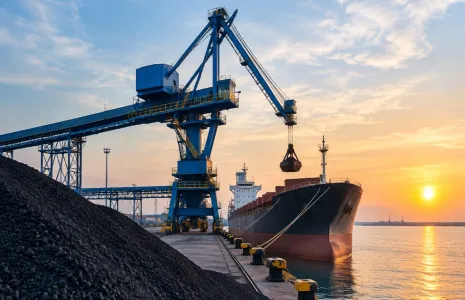
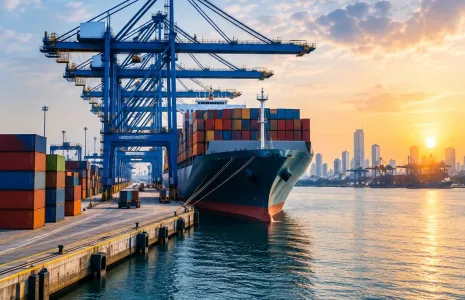
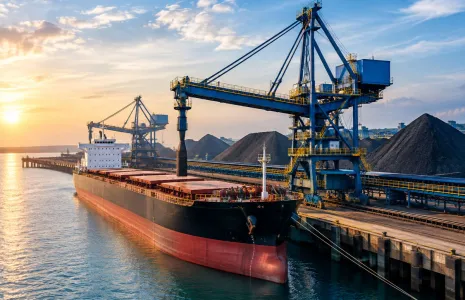
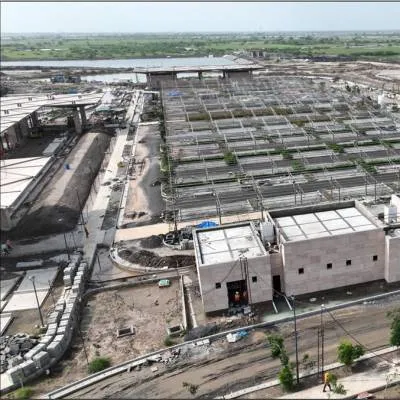
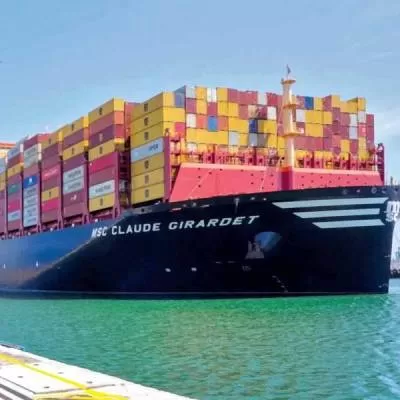
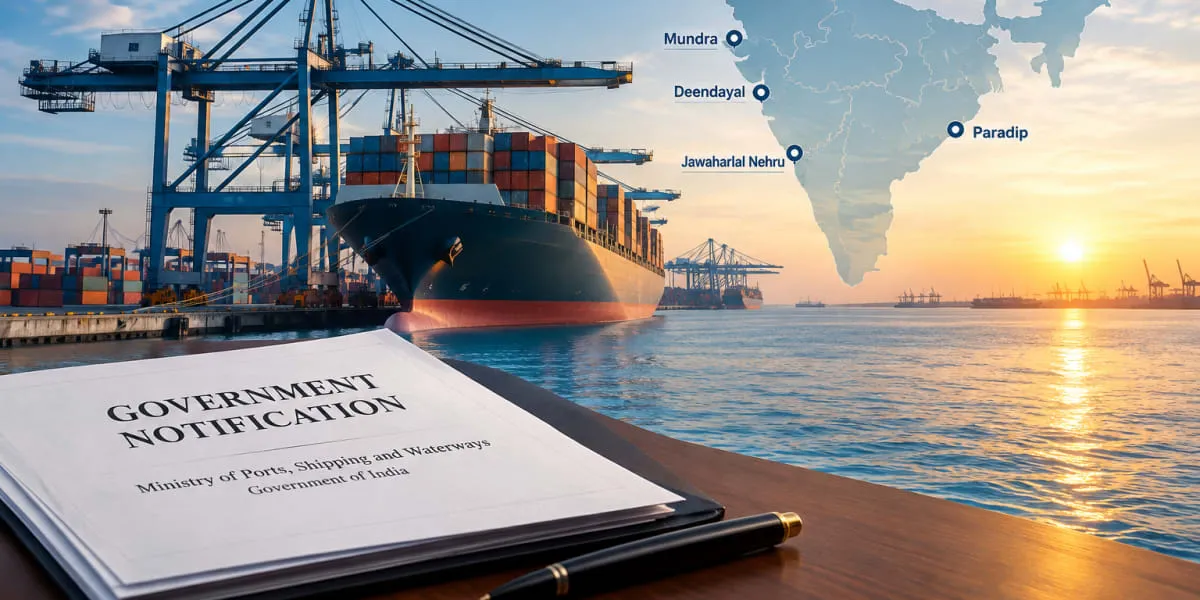
The Ministry of Ports, Shipping and Waterways has classified Mundra, Deendayal, Jawaharlal Nehru and Paradip as India’s first mega ports under Section 73 of the Indian Ports Act, 2025. The notification was issued on September 25, 2026, by Praveen P Nair, Joint Secretary in the ministry, and took effect upon publication in the Gazette of India (Extraordinary).

Mundra Port, operated by Adani Ports and Special Economic Zone, is the only privately owned facility among the four. Deendayal Port, Jawaharlal Nehru Port and Paradip Port are government-run facilities that have played a major role in India’s maritime trade. Mundra has been classified as a port other than a major port because it was privately developed.

The classification is based on performance, including high annual cargo volumes, rather than ownership. The approach marks a shift in the government’s infrastructure and policy focus towards the country’s busiest maritime hubs. The criteria for the designation were set out in a gazette notification issued on July 30, 2026.

The mega port status will remain valid for five years. The ports will therefore need to sustain their cargo throughput to retain the designation, which will be subject to periodic review. The framework links the status to continued operational performance rather than a permanent classification.

Paradip is the only designated mega port on India’s east coast. Its inclusion follows recent operational milestones, including record Capesize vessel berthing and the port’s ability to handle vessels with an 18.5 m deep draught. Jawaharlal Nehru Port Authority remains a major container hub, while Paradip is an important gateway for dry bulk cargo. The inclusion of Mundra alongside the three public-sector ports highlights the scale reached by privately managed infrastructure in India’s maritime sector.

The Ministry of Ports, Shipping and Waterways has classified Mundra, Deendayal, Jawaharlal Nehru and Paradip as India’s first mega ports under Section 73 of the Indian Ports Act, 2025. The notification was issued on September 25, 2026, by Praveen P Nair, Joint Secretary in the ministry, and took effect upon publication in the Gazette of India (Extraordinary). Mundra Port, operated by Adani Ports and Special Economic Zone, is the only privately owned facility among the four. Deendayal Port, Jawaharlal Nehru Port and Paradip Port are government-run facilities that have played a major role in India’s maritime trade. Mundra has been classified as a port other than a major port because it was privately developed. The classification is based on performance, including high annual cargo volumes, rather than ownership. The approach marks a shift in the government’s infrastructure and policy focus towards the country’s busiest maritime hubs. The criteria for the designation were set out in a gazette notification issued on July 30, 2026. The mega port status will remain valid for five years. The ports will therefore need to sustain their cargo throughput to retain the designation, which will be subject to periodic review. The framework links the status to continued operational performance rather than a permanent classification. Paradip is the only designated mega port on India’s east coast. Its inclusion follows recent operational milestones, including record Capesize vessel berthing and the port’s ability to handle vessels with an 18.5 m deep draught. Jawaharlal Nehru Port Authority remains a major container hub, while Paradip is an important gateway for dry bulk cargo. The inclusion of Mundra alongside the three public-sector ports highlights the scale reached by privately managed infrastructure in India’s maritime sector.

Related Stories

Gold Stories

Next Story
Real Estate

Japanese companies expand GCC operations in India

More than 100 Japanese companies have established or are expanding Global Capability Centres (GCCs) in India, with a growing focus on artificial intelligence (AI), engineering, digital innovation, product development, cybersecurity and advanced analytics. The shift marks an expansion beyond traditional back-office and operational support functions towards higher-value technology and innovation activities.Japanese companies are increasingly using their Indian GCCs to support digital transformation, address talent shortages and contribute to global business strategies. These centres are taking o..

Next Story
Real Estate

India’s flexible office stock projected to reach 160 million sq ft by 2030

India retained its position as the world's most mature flexible office market, scoring 100 per cent on Cushman & Wakefield's Flexible Office Market Maturity Index, according to the firm's Global Trends in Flexible Office 2026 report.India's flexible office inventory reached 88.7 million sq ft (MSF) in H1 2026, accounting for 10.5 per cent of the country's total office stock. The report projects this to exceed 100 MSF in 2026 and reach approximately 160 MSF by 2030.Flexible office operators leased 8.5 MSF across India's top eight cities in H1 2026, their strongest first-half performance to ..
Next Story
Infrastructure Urban

K2 Infragen appoints Abhishek Sharma as DGM, supply chain

K2 Infragen has appointed Abhishek Sharma as Deputy General Manager, Supply Chain Management. He will oversee procurement planning, vendor partnerships and coordination with project teams.Sharma brings nearly two decades of experience in infrastructure procurement across railways, highways, expressways and hydropower. His experience includes procurement responsibilities associated with the Delhi–Meerut Expressway and the Delhi–Vadodara greenfield corridor. ..

Advertisement

Subscribe to Our Newsletter

Get daily newsletters around different themes from Construction world.

STAY CONNECTED

Advertisement

SPECIAL OFFER
QR Code