Karnataka CM Studies Japan’s Maishima Waste-to-Energy Plant
WATER & WASTE

Karnataka CM Studies Japan’s Maishima Waste-to-Energy Plant

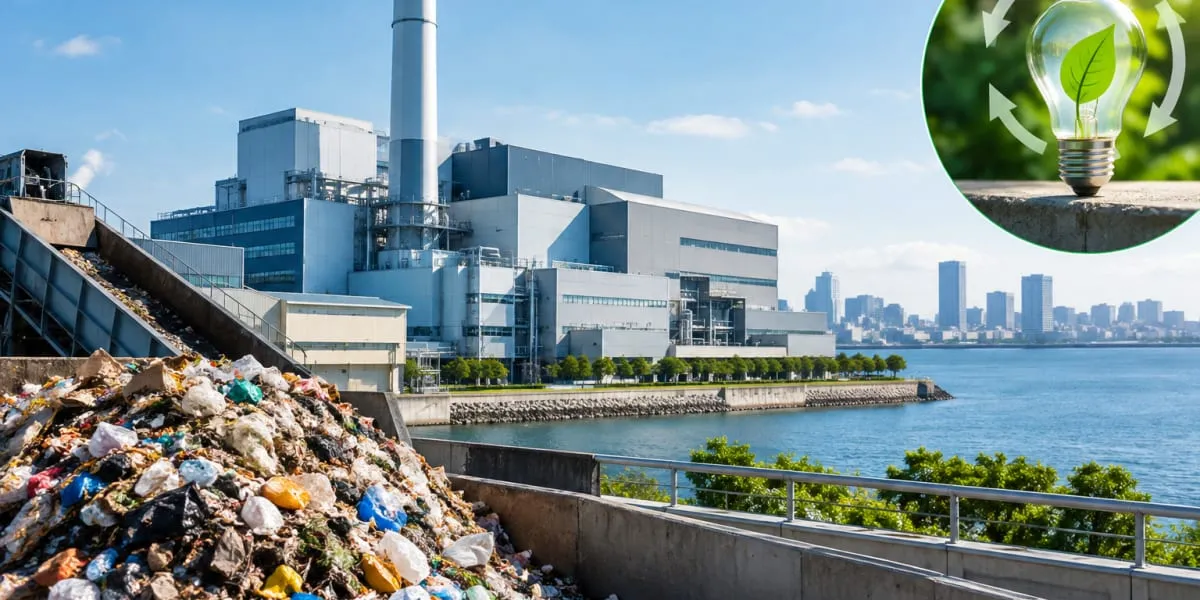
Karnataka Chief Minister D K Shivakumar and his delegation visited the Maishima Incineration Plant in Osaka, Japan, on Tuesday to study waste-to-energy technology and sustainable urban waste management solutions, officials said. The visit formed part of the state government’s efforts to examine internationally established models for urban planning, infrastructure and environmental management.

Located on Maishima Island, the facility has operated since 2001 and processes up to 900 tonnes of municipal solid waste daily through two incinerators. According to a statement from the Chief Minister’s Office, the plant has an installed power generation capacity of 32 MW and converts waste into electricity.

The facility meets its own energy requirements and supplies surplus power to the grid. It uses combustion control mechanisms, continuous emissions monitoring and pollution control systems to support efficient processing while limiting environmental impact, officials said.

The plant is also known for its distinctive architecture. Designed by Austrian artist Friedensreich Hundertwasser, it features a colourful façade, unconventional forms and extensive greenery. Officials said the design demonstrates how essential urban infrastructure can combine industrial functions with environmental awareness and public engagement.

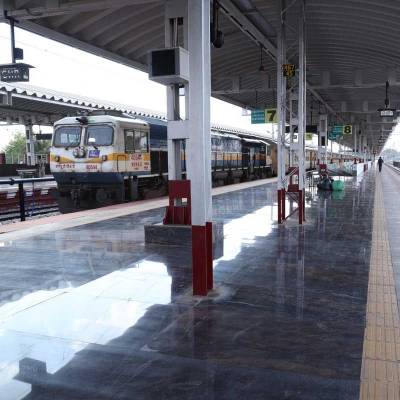
The Karnataka government aims to draw lessons from the facility to improve urban infrastructure, promote scientific and efficient waste disposal, examine waste-to-energy options and develop cleaner, more sustainable and liveable cities. Earlier, Shivakumar travelled from Nagoya to Osaka on Japan’s Shinkansen bullet train and interacted with Kannadigas and their families at the station.

The interaction enabled the delegation to connect with members of the Kannada community and hear about their experiences in Japan. The journey also gave officials an opportunity to observe the country’s organised high-speed rail network, connectivity and transport infrastructure, which could offer insights for Karnataka’s efforts to strengthen urban mobility and public transport systems.

Karnataka Chief Minister D K Shivakumar and his delegation visited the Maishima Incineration Plant in Osaka, Japan, on Tuesday to study waste-to-energy technology and sustainable urban waste management solutions, officials said. The visit formed part of the state government’s efforts to examine internationally established models for urban planning, infrastructure and environmental management. Located on Maishima Island, the facility has operated since 2001 and processes up to 900 tonnes of municipal solid waste daily through two incinerators. According to a statement from the Chief Minister’s Office, the plant has an installed power generation capacity of 32 MW and converts waste into electricity. The facility meets its own energy requirements and supplies surplus power to the grid. It uses combustion control mechanisms, continuous emissions monitoring and pollution control systems to support efficient processing while limiting environmental impact, officials said. The plant is also known for its distinctive architecture. Designed by Austrian artist Friedensreich Hundertwasser, it features a colourful façade, unconventional forms and extensive greenery. Officials said the design demonstrates how essential urban infrastructure can combine industrial functions with environmental awareness and public engagement. The Karnataka government aims to draw lessons from the facility to improve urban infrastructure, promote scientific and efficient waste disposal, examine waste-to-energy options and develop cleaner, more sustainable and liveable cities. Earlier, Shivakumar travelled from Nagoya to Osaka on Japan’s Shinkansen bullet train and interacted with Kannadigas and their families at the station. The interaction enabled the delegation to connect with members of the Kannada community and hear about their experiences in Japan. The journey also gave officials an opportunity to observe the country’s organised high-speed rail network, connectivity and transport infrastructure, which could offer insights for Karnataka’s efforts to strengthen urban mobility and public transport systems.

Related Stories

Gold Stories

Next Story
Building Material

Amata secures approval to strengthen 122 concrete columns

Amata has secured client approval to strengthen 122 concrete columns across two floors of a residential project in Delhi using its TECKCRYL PIC MA treatment. The intervention improved concrete strength without increasing the dimensions of the existing columns, addressing project constraints that made conventional strengthening methods impractical.The concrete columns at the project had recorded strength below the specified 35 MPa. Conventional methods such as reinforced cement concrete (RCC) jacketing, steel plate bonding and section enlargement were considered unsuitable due to architectural ..

Next Story
Infrastructure Transport

Shillong Airport Expansion on Track for December 2027 Finish

Work on the expansion of Shillong Airport and its runway is progressing according to schedule, with completion targeted for December 2027, Transport and Civil Aviation Department Secretary Sanjay Goyal said. The construction is being carried out under the approved master plan, and officials are monitoring progress to ensure the planned timeline is maintained. Goyal said the work was in full swing and there was currently no reason to anticipate a delay. The project is intended to improve the airport’s capacity and strengthen air connectivity to and from the region as demand for air travel inc..

Next Story
Infrastructure Transport

GMR Hyderabad Airport Enhances Cargo Capacity

GMR Hyderabad International Airport has enhanced its cargo-handling infrastructure by commissioning an upgraded Elevated Transfer Vehicle (ETV)-based storage system at its Cargo Terminal. The facility has been upgraded within the existing terminal footprint, allowing the airport to expand capacity without requiring additional space. The new system has increased Unit Load Device (ULD) storage capacity from 33 to 80 ULDs. This represents an increase of more than double and is intended to provide greater operational flexibility as cargo volumes and freighter activity expand. The additional storag..

Subscribe to Our Newsletter

Get daily newsletters around different themes from Construction world.

STAY CONNECTED

Advertisement

SPECIAL OFFER
QR Code