NCR sees 27-Point Stage-I GRAP Activated to Curb Air Pollution
WATER & WASTE

NCR sees 27-Point Stage-I GRAP Activated to Curb Air Pollution

The Central Air Quality Management (CAQM) Sub-Committee has recently decided to enforce Stage I actions of the Graded Response Action Plan (GRAP) across the whole National Capital Region (NCR), following a daily average Air Quality Index (AQI) of 211 (classified as ‘Poor’) in Delhi, as per the Central Pollution Control Board.

Under the invoked measures, all agencies across NCR will monitor, review and intensify measures to prevent further decline in air quality. Citizens are urged to support the initiative by following the Citizen Charter for Stage I, which includes:

Keeping engines well-tuned and tyre pressures optimal
Maintaining up-to-date PUC (Pollution Under Control) certification
Avoiding idling, and switching off engines at red lights
Choosing hybrid or electric vehicles when possible
Preventing littering and open dumping
Reporting pollution incidents via 311 App, Green Delhi App, SAMEER App
Planting trees and celebrating festivals in an eco-friendly manner (no firecrackers)

        The 27-point action plan imposes responsibilities on multiple agencies, including:
1. Enforce dust mitigation in Construction & Demolition (C&D) operations
2. Disallow C&D activity for plots ≥ 500 sqm unless registered and compliant
3. Ensure regular removal of municipal, C&D and hazardous waste
4. Mechanised road sweeping, water sprinkling, and scientific disposal of dust
5. Store and transport C&D materials in covered manner
6. Use anti-smog guns per statutory norms at C&D sites
7. Intensify dust suppression in road works
8. Ban open burning of biomass and municipal waste, with strict penalties
9. Monitor landfill sites to prevent burning
10. Deploy traffic police to improve flow at congested intersections
11. Enforce PUC norms strictly
12. Impound visibly polluting vehicles and levy maximum penalties
13. Divert non-destined trucks via peripheral expressways (per Supreme Court)
14. Enforce restrictions on overaged petrol/diesel vehicles
15. Penalise non-compliant industrial units
16. Apply pollution norms to industries, brick kilns, hot mix plants
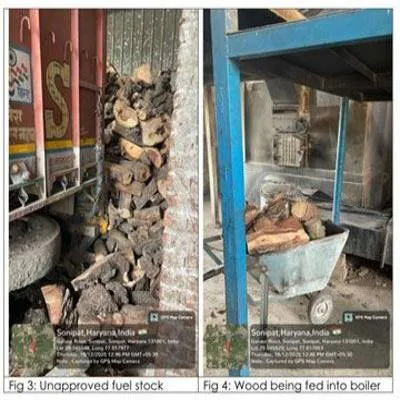
17. Restrict use of non-approved fuels in industries
18. Enforce emission norms in thermal power plants
19. Uphold court orders banning firecrackers
20. Ensure consistent lifting and disposal of industrial waste
21. DISCOMs to reduce power failures
22. Discourage regular use of diesel generators
23. Enforce ban on coal/firewood use in tandoors in hotels and eateries
24. Promote use of clean fuels in catering, restaurants
25. Disseminate pollution data via social media, SMS, mobile apps
26. Expedite resolution of complaints via apps and social platforms
27. Encourage offices to adopt unified commute systems

The Sub-Committee will continuously monitor air quality and, in consultation with IMD/IITM forecasts, may adopt additional interventions.

The Central Air Quality Management (CAQM) Sub-Committee has recently decided to enforce Stage I actions of the Graded Response Action Plan (GRAP) across the whole National Capital Region (NCR), following a daily average Air Quality Index (AQI) of 211 (classified as ‘Poor’) in Delhi, as per the Central Pollution Control Board.Under the invoked measures, all agencies across NCR will monitor, review and intensify measures to prevent further decline in air quality. Citizens are urged to support the initiative by following the Citizen Charter for Stage I, which includes:• Keeping engines well-tuned and tyre pressures optimal• Maintaining up-to-date PUC (Pollution Under Control) certification• Avoiding idling, and switching off engines at red lights• Choosing hybrid or electric vehicles when possible• Preventing littering and open dumping• Reporting pollution incidents via 311 App, Green Delhi App, SAMEER App• Planting trees and celebrating festivals in an eco-friendly manner (no firecrackers)        The 27-point action plan imposes responsibilities on multiple agencies, including:1. Enforce dust mitigation in Construction & Demolition (C&D) operations2. Disallow C&D activity for plots ≥ 500 sqm unless registered and compliant3. Ensure regular removal of municipal, C&D and hazardous waste4. Mechanised road sweeping, water sprinkling, and scientific disposal of dust5. Store and transport C&D materials in covered manner6. Use anti-smog guns per statutory norms at C&D sites7. Intensify dust suppression in road works8. Ban open burning of biomass and municipal waste, with strict penalties9. Monitor landfill sites to prevent burning10. Deploy traffic police to improve flow at congested intersections11. Enforce PUC norms strictly12. Impound visibly polluting vehicles and levy maximum penalties13. Divert non-destined trucks via peripheral expressways (per Supreme Court)14. Enforce restrictions on overaged petrol/diesel vehicles15. Penalise non-compliant industrial units16. Apply pollution norms to industries, brick kilns, hot mix plants17. Restrict use of non-approved fuels in industries18. Enforce emission norms in thermal power plants19. Uphold court orders banning firecrackers20. Ensure consistent lifting and disposal of industrial waste21. DISCOMs to reduce power failures22. Discourage regular use of diesel generators23. Enforce ban on coal/firewood use in tandoors in hotels and eateries24. Promote use of clean fuels in catering, restaurants25. Disseminate pollution data via social media, SMS, mobile apps26. Expedite resolution of complaints via apps and social platforms27. Encourage offices to adopt unified commute systemsThe Sub-Committee will continuously monitor air quality and, in consultation with IMD/IITM forecasts, may adopt additional interventions.

Next Story
Infrastructure Urban

India Expands Semiconductor Training To 500 Institutions

Under the Chips to Startups programme of the India Semiconductor Mission, the Union minister responsible for Railways, Information and Broadcasting, and Electronics and IT reported notable progress in talent development. He indicated that over the past four years substantial steps have been taken towards a 10-year target of training 85,000 engineers in semiconductor design. World-class EDA tools have been deployed in 315 academic institutions across the country to provide students with practical exposure to chip design. These EDA tools are supported by leading global firms and are accessible t..

Next Story
Infrastructure Urban

Delhi Institutions Support India Semiconductor Mission

The Government of India has prioritised talent development through training, upskilling and workforce development under the Chips to Startups initiative of the India Semiconductor Mission, with officials noting progress in four years towards a 10-year target of training 85,000 engineers in semiconductor design. Electronic design automation tools provided by Synopsys, Cadence, Siemens, Renesas, Ansys and AMD have been deployed in 315 academic institutions, enabling students to gain practical chip design experience. Chips have been fabricated and tested at the Semiconductor Laboratory, Mohali, a..

Next Story
Infrastructure Urban

NHA Announces Winners Of NHCX Hackathon At IIT Hyderabad

The National Health Authority (NHA) has concluded the NHCX Hackathon under the Ayushman Bharat Digital Mission (ABDM) to stimulate innovation around the National Health Claims Exchange (NHCX). The winning teams presented their solutions at the NHCX Innovation Meet held at IIT Hyderabad during a two-day event in March 2026 that also served as the hackathon grand finale. The hackathon itself ran from 22 to 28 February 2026 and aimed to accelerate paperless, transparent claims processing across India. The event was organised with a range of ecosystem partners, including the Insurance Regulatory a..

Advertisement

Subscribe to Our Newsletter

Get daily newsletters around different themes from Construction world.

STAY CONNECTED

Advertisement

Advertisement

Advertisement