Defence Ministry Concludes Special Campaign 5.0 Nationwide
DEFENSE

Defence Ministry Concludes Special Campaign 5.0 Nationwide

The Department of Defence (DoD) has successfully concluded Special Campaign 5.0, encompassing both the Preparation Phase (15–30 September 2025) and the Implementation Phase (2–31 October 2025). The campaign, conducted across 5,377 locations in India through various subordinate and attached offices, focused on cleanliness, efficiency, and sustainable practices.

The DoD achieved 100 per cent disposal of all identified targets under multiple parameters, including the resolution of pending references from MPs, VIPs, and public grievances filed through CPGRAMS. It also simplified 25 rules and procedures as part of administrative reform efforts.

During the campaign, 59,561 physical files were reviewed, out of which 11,401 were weeded out, while obsolete office and IT equipment were auctioned to generate Rs 1 million in revenue. The initiative also resulted in the unclogging of 57,648 square feet of office space, improving workplace organisation and efficiency.

As part of Special Campaign 5.0, several innovative and sustainable projects were undertaken:

Cantonment Boards across India adopted the “Reduce, Reuse, Recycle” model, promoting environmental conservation and waste reduction.

The Barrackpore Cantonment Board transformed a disused dumping ground into ‘Barrackpore Heritage Grove,’ a 2,500-square-foot rose garden.

The Secunderabad Cantonment Board launched the “Waste to Wonder Park,” converting discarded materials into art installations and functional park features.

The Delhi Cantonment Board implemented SMART (Swachhata Monitoring and Automated Reporting Tool) on a pilot basis for real-time cleanliness tracking and reporting.

The Border Roads Organisation (BRO) introduced a new ‘Geo Grid’ construction methodology for the Lukung–Chartse Road under Project Himank, enhancing durability in challenging terrains.

The Himalayan Mountaineering Institute (HMI), Darjeeling installed 52 solar water heaters, integrating renewable energy into campus operations to support environmental sustainability.

The campaign was implemented across various Defence establishments and affiliated organisations, including the Controller General of Defence Accounts, BRO, Directorate General of Armed Forces Medical Services, National Cadet Corps, Indian Coast Guard, Sainik Schools Society, Canteen Stores Department, and the Cantonments. Institutions such as the Nehru Institute of Mountaineering (Uttarkashi), National Institute of Mountaineering and Adventure Sports (Dirang, Arunachal Pradesh), Jawahar Institute of Mountaineering and Winter Sports (Pahalgam, J&K), and HMI (Darjeeling) also actively participated.

The Special Campaign 5.0 reinforces the Ministry’s commitment to sustainability, transparency, and good governance, while ensuring that defence establishments across India continue to adopt eco-friendly and efficient operational practices.

The Department of Defence (DoD) has successfully concluded Special Campaign 5.0, encompassing both the Preparation Phase (15–30 September 2025) and the Implementation Phase (2–31 October 2025). The campaign, conducted across 5,377 locations in India through various subordinate and attached offices, focused on cleanliness, efficiency, and sustainable practices. The DoD achieved 100 per cent disposal of all identified targets under multiple parameters, including the resolution of pending references from MPs, VIPs, and public grievances filed through CPGRAMS. It also simplified 25 rules and procedures as part of administrative reform efforts. During the campaign, 59,561 physical files were reviewed, out of which 11,401 were weeded out, while obsolete office and IT equipment were auctioned to generate Rs 1 million in revenue. The initiative also resulted in the unclogging of 57,648 square feet of office space, improving workplace organisation and efficiency. As part of Special Campaign 5.0, several innovative and sustainable projects were undertaken: Cantonment Boards across India adopted the “Reduce, Reuse, Recycle” model, promoting environmental conservation and waste reduction. The Barrackpore Cantonment Board transformed a disused dumping ground into ‘Barrackpore Heritage Grove,’ a 2,500-square-foot rose garden. The Secunderabad Cantonment Board launched the “Waste to Wonder Park,” converting discarded materials into art installations and functional park features. The Delhi Cantonment Board implemented SMART (Swachhata Monitoring and Automated Reporting Tool) on a pilot basis for real-time cleanliness tracking and reporting. The Border Roads Organisation (BRO) introduced a new ‘Geo Grid’ construction methodology for the Lukung–Chartse Road under Project Himank, enhancing durability in challenging terrains. The Himalayan Mountaineering Institute (HMI), Darjeeling installed 52 solar water heaters, integrating renewable energy into campus operations to support environmental sustainability. The campaign was implemented across various Defence establishments and affiliated organisations, including the Controller General of Defence Accounts, BRO, Directorate General of Armed Forces Medical Services, National Cadet Corps, Indian Coast Guard, Sainik Schools Society, Canteen Stores Department, and the Cantonments. Institutions such as the Nehru Institute of Mountaineering (Uttarkashi), National Institute of Mountaineering and Adventure Sports (Dirang, Arunachal Pradesh), Jawahar Institute of Mountaineering and Winter Sports (Pahalgam, J&K), and HMI (Darjeeling) also actively participated. The Special Campaign 5.0 reinforces the Ministry’s commitment to sustainability, transparency, and good governance, while ensuring that defence establishments across India continue to adopt eco-friendly and efficient operational practices.

Next Story
Infrastructure Transport

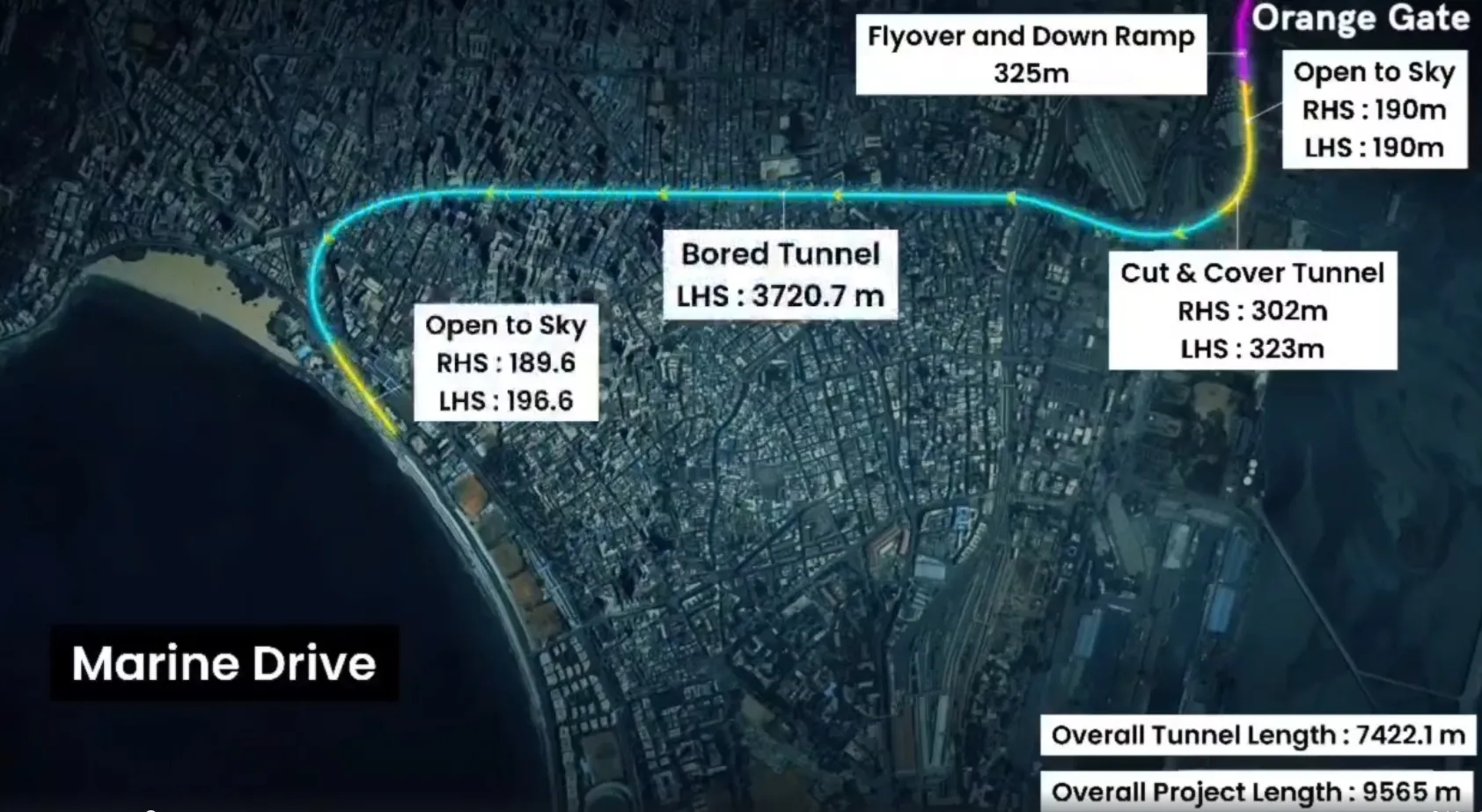
MMRDA advances 250 m on Orange Gate–Marine Drive tunnel

The Mumbai Metropolitan Region Development Authority (MMRDA) has completed 250 m of underground tunnelling for the Orange Gate–Marine Drive Urban Road Tunnel using India’s largest slurry shield tunnel boring machine (TBM) deployed for an urban road project.The project involves twin tunnels extending over 7 km beneath critical transport corridors, including Central Railway, Western Railway and Metro Line 3. The work requires high-precision engineering to navigate densely developed urban infrastructure.Once completed, the tunnel is expected to reduce travel time between Orange Gate and Marin..
Next Story
Infrastructure Urban

Hindustan Zinc Pays Rs 188.46 Billion in FY26

Hindustan Zinc contributed Rs 188.46 billion to the public exchequer in FY 2025-26, according to its 9th Tax Transparency Report. The contribution, equivalent to 46 per cent of the company’s revenue, included direct and indirect taxes, government royalties, dividends to the Government of India, withholding taxes and other statutory levies.The company’s five-year cumulative contribution to the exchequer stood at Rs 915.72 billion. In FY26, Hindustan Zinc reported revenue of Rs 408.44 billion, EBITDA of Rs 221.62 billion and profit after tax of Rs 138.32 billion. It also achieved its highest..

Next Story
Infrastructure Urban

World of Concrete India 2026 Opens in Mumbai

Informa Markets in India will host the 12th edition of World of Concrete India 2026 from 3–5 June 2026 at the Bombay Exhibition Centre, Mumbai. The specialised B2B exhibition will bring together manufacturers, suppliers, contractors, developers, architects, consultants, infrastructure companies, project leaders and government stakeholders.The event is expected to feature over 350 brands and more than 18,000 trade professionals. It will cover concrete and cement, dry mortar, precast technologies, formwork, construction chemicals, industrial and commercial flooring, scaffolding, safety solutio..

Advertisement

Subscribe to Our Newsletter

Get daily newsletters around different themes from Construction world.

STAY CONNECTED

Advertisement

Advertisement

Advertisement