+
Arunachal Launches First Commercial Coal Mine at Namchik-Namphuk
COAL & MINING

Arunachal Launches First Commercial Coal Mine at Namchik-Namphuk

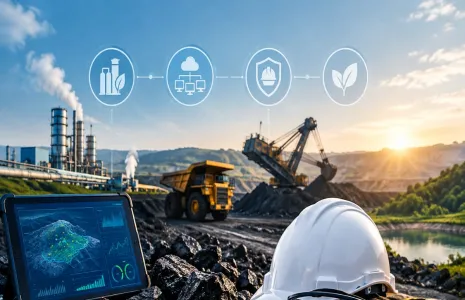
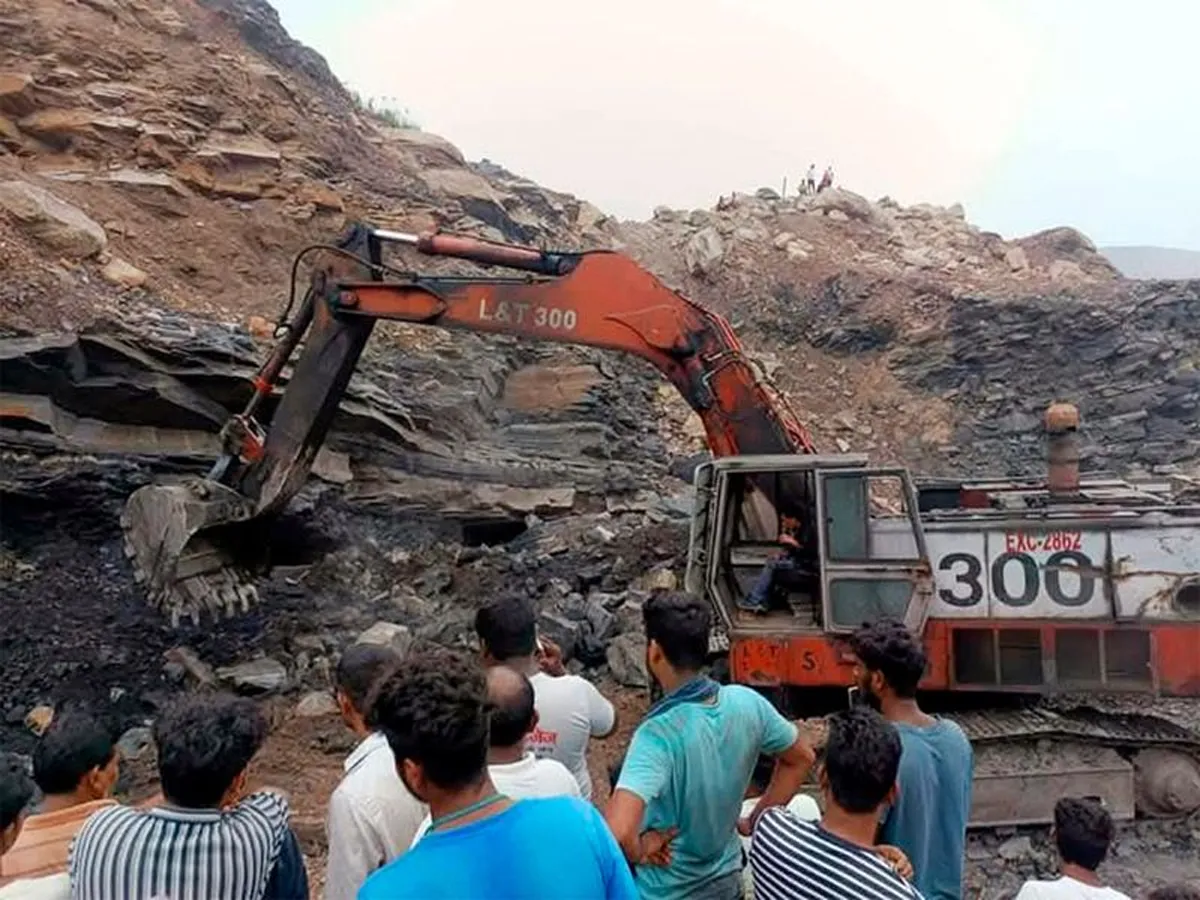
Arunachal Pradesh is set to mark a historic milestone on 6 October 2025 with the launch of its first commercial coal mine at the Namchik-Namphuk coal block, ushering in a new era of energy security, industrial growth, and local prosperity. Union Minister G. Kishan Reddy will lead the proceedings, performing the Bhoomi Poojan, handing over the mining lease, and flagging off CPPL’s tools and machinery to the coal block, followed by a tree plantation drive under the 100-tree initiative.
The Namchik-Namphuk coal block, with reserves of 15 million tonnes, was first allocated in 2003 but faced long-standing delays and stoppages due to administrative and environmental hurdles. The project was revived through a transparent auction in 2022, marking the end of nearly two decades of setbacks and enabling private sector participation. This initiative advances Prime Minister Narendra Modi’s EAST vision — Empower, Act, Strengthen, Transform, which guides development across the Northeast.
With the mine’s operationalisation, Arunachal Pradesh joins India’s journey as part of the world’s second-largest coal producer, which crossed a record 1 billion tonnes of coal output last year. The mine is expected to generate over Rs 1 billion annually in state revenue, creating hundreds of local jobs and fostering inclusive growth.
The launch also marks the end of illegal mining and exploitation, ensuring transparency and equitable benefit-sharing. Additionally, critical mineral resources are being unlocked in the region for the first time, with two blocks in Arunachal Pradesh and five in Assam now under auction — a key step towards strengthening India’s technological and strategic autonomy. Officials have been urged to fast-track operations, generating local employment and reinforcing the Atmanirbhar Bharat mission through local resources, local jobs, and local strength.
The Government has reiterated that mining in the Northeast will follow strict ecological safeguards. Known for its rich biodiversity and strong community values, the region will be developed as a global model of sustainable mining. The coal sector has already reclaimed 57,000 hectares of land and aims to reclaim an additional 16,000 hectares by 2030 under Mission Green Coal Regions, aligning economic and environmental priorities through Jan Bhagidaari (public participation).
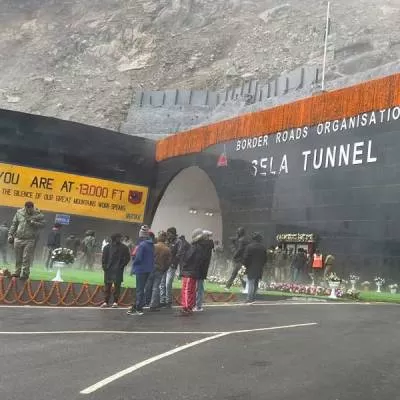
Over the past 11 years, the Northeast has witnessed investments exceeding Rs 6 trillion. In Arunachal Pradesh alone, allocations have surged from Rs 60 billion before 2014 to Rs 1 trillion post-2014 — a 16-fold rise. GST reforms have revitalised traditional industries such as tea, silk, handicrafts, and tourism, while infrastructure has expanded dramatically with 16,000 km of national highways, 80,000 km of rural roads, 2,000 bridges, 19 airports, and major connectivity projects such as the Sela Tunnel and Bhupen Hazarika Bridge.
Rail investment has grown five-fold, with projects worth Rs 770 billion in progress, while the Northeast Gas Grid is bringing clean energy closer to industry hubs. The Vibrant Villages Programme has connected 450 border villages, transforming the region from a conflict zone into a growth engine and positioning it as the Ashtalakshmi region central to Viksit Bharat.
Recognising the pivotal role of workers, the government has enhanced safety, wages, insurance, healthcare, and welfare schemes in the coal sector. Initiatives include the Corporate Salary Package with insurance and loans, Rs 10 million accident cover, Rs 20 million air accident cover, first-ever insurance for contract workers, Rs 2.5 million ex-gratia for fatal accidents, and a Uniform Dress Code Scheme to foster identity and unity.
The Namchik-Namphuk coal mine launch symbolises the integration of development, ecology, and public participation, reinforcing India’s energy security, local employment generation, and Atmanirbhar Bharat goals. Under Prime Minister Modi’s leadership, the coal and mining sector is determined to make the Northeast a global example of green growth, sustainability, and people empowerment.

Arunachal Pradesh is set to mark a historic milestone on 6 October 2025 with the launch of its first commercial coal mine at the Namchik-Namphuk coal block, ushering in a new era of energy security, industrial growth, and local prosperity. Union Minister G. Kishan Reddy will lead the proceedings, performing the Bhoomi Poojan, handing over the mining lease, and flagging off CPPL’s tools and machinery to the coal block, followed by a tree plantation drive under the 100-tree initiative.The Namchik-Namphuk coal block, with reserves of 15 million tonnes, was first allocated in 2003 but faced long-standing delays and stoppages due to administrative and environmental hurdles. The project was revived through a transparent auction in 2022, marking the end of nearly two decades of setbacks and enabling private sector participation. This initiative advances Prime Minister Narendra Modi’s EAST vision — Empower, Act, Strengthen, Transform, which guides development across the Northeast.With the mine’s operationalisation, Arunachal Pradesh joins India’s journey as part of the world’s second-largest coal producer, which crossed a record 1 billion tonnes of coal output last year. The mine is expected to generate over Rs 1 billion annually in state revenue, creating hundreds of local jobs and fostering inclusive growth.The launch also marks the end of illegal mining and exploitation, ensuring transparency and equitable benefit-sharing. Additionally, critical mineral resources are being unlocked in the region for the first time, with two blocks in Arunachal Pradesh and five in Assam now under auction — a key step towards strengthening India’s technological and strategic autonomy. Officials have been urged to fast-track operations, generating local employment and reinforcing the Atmanirbhar Bharat mission through local resources, local jobs, and local strength.The Government has reiterated that mining in the Northeast will follow strict ecological safeguards. Known for its rich biodiversity and strong community values, the region will be developed as a global model of sustainable mining. The coal sector has already reclaimed 57,000 hectares of land and aims to reclaim an additional 16,000 hectares by 2030 under Mission Green Coal Regions, aligning economic and environmental priorities through Jan Bhagidaari (public participation).Over the past 11 years, the Northeast has witnessed investments exceeding Rs 6 trillion. In Arunachal Pradesh alone, allocations have surged from Rs 60 billion before 2014 to Rs 1 trillion post-2014 — a 16-fold rise. GST reforms have revitalised traditional industries such as tea, silk, handicrafts, and tourism, while infrastructure has expanded dramatically with 16,000 km of national highways, 80,000 km of rural roads, 2,000 bridges, 19 airports, and major connectivity projects such as the Sela Tunnel and Bhupen Hazarika Bridge.Rail investment has grown five-fold, with projects worth Rs 770 billion in progress, while the Northeast Gas Grid is bringing clean energy closer to industry hubs. The Vibrant Villages Programme has connected 450 border villages, transforming the region from a conflict zone into a growth engine and positioning it as the Ashtalakshmi region central to Viksit Bharat.Recognising the pivotal role of workers, the government has enhanced safety, wages, insurance, healthcare, and welfare schemes in the coal sector. Initiatives include the Corporate Salary Package with insurance and loans, Rs 10 million accident cover, Rs 20 million air accident cover, first-ever insurance for contract workers, Rs 2.5 million ex-gratia for fatal accidents, and a Uniform Dress Code Scheme to foster identity and unity.The Namchik-Namphuk coal mine launch symbolises the integration of development, ecology, and public participation, reinforcing India’s energy security, local employment generation, and Atmanirbhar Bharat goals. Under Prime Minister Modi’s leadership, the coal and mining sector is determined to make the Northeast a global example of green growth, sustainability, and people empowerment.

Related Stories

Gold Stories

Next Story
Infrastructure Transport

NHAI Tightens AI-Machine Construction Norms

New Delhi: The National Highways Authority of India (NHAI) has significantly tightened its framework for Automated and Intelligent Machine-Aided Construction (AI-MC), introducing provisions that could directly affect contractor payments, equipment deployment and digital ownership of highway project data.Under Policy Circular No. 11.109/2026 dated August 28, 2026, mandatory AI-MC deployment has been rationalised to highway projects with a continuous length exceeding 20 km and an EPC/civil construction cost above Rs 5 billion. Standalone bridges, ROBs, tunnels, short bypasses below 10 km and str..

Next Story
Infrastructure Urban

Infrastructure Opportunity Outlook by IMPACCT.Info

India’s infrastructure pipeline is witnessing dynamic activity across stages — from immediate bidding to future planning. IMPACCT segments these into three categories: Immediate, 3–6 Month, and Future Opportunities, enabling businesses to identify, prepare, and participate in high-value tenders and projects across sectors.To read full article Click Here ..

Next Story
Real Estate

Glass, Reframed!

Glass façades, quintessential aesthetic building envelopes globally, have been widely adopted in India as well. But when the focus is high-performance building systems that deliver energy efficiency, comfort and architectural identity, glass isn’t the only preference. Combination solutions, involving glass and some other material, improve façade outcomes. Some combinations come at comparable prices, some at a higher price. Here is a selection of performance-oriented solutions...To read the full story Click Here ..

Advertisement

Subscribe to Our Newsletter

Get daily newsletters around different themes from Construction world.

STAY CONNECTED

Advertisement

SPECIAL OFFER
QR Code