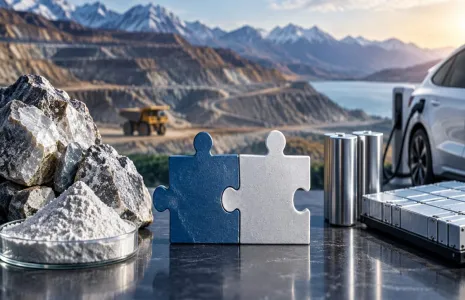
SAIL Tests Mongolia as New Coking Coal Supplier
COAL & MINING

SAIL Tests Mongolia as New Coking Coal Supplier

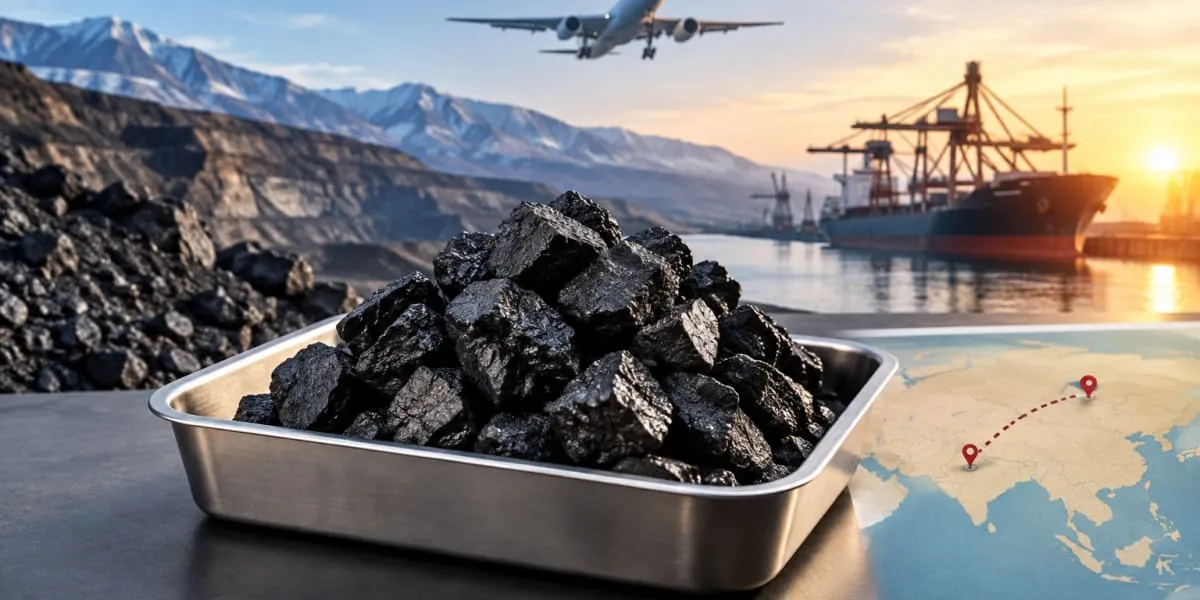
Steel Authority of India (SAIL) has airlifted a 1 t coking coal sample from Mongolia for the first time, testing the landlocked country as a potential supplier as India seeks to diversify imports and reduce dependence on Australia. The state-backed steelmaker flew in the sample earlier this month and will assess whether it meets the requirements of its steelmaking operations.

SAIL had planned the trial last year as India’s steelmakers faced rising import needs and logistical constraints. India, the world’s second-largest crude steel producer after China, imports about 95 per cent of its coking coal requirements, with Australia accounting for at least half of those supplies. Coking coal represents nearly 40 per cent of steel production costs.

The trial is focused primarily on supply diversification, although transporting coal from Mongolia to India presents significant challenges. Mongolia is located between Russia and China, and strained relations between New Delhi and Beijing mean India would probably have to rely on a longer route through Russia. Indian authorities have previously indicated a preference for the Russian route because of strategic concerns involving China.

SAIL will decide whether to pursue long-term supplies after evaluating the coal’s suitability, as well as the cost and feasibility of transportation. Shipping through Russia would make Mongolian coal considerably more expensive than competing supplies, although an analyst assessed its quality as superior. SAIL and Mongolia’s Ministry of Mining and Heavy Industry did not respond to requests for comment.

India and Mongolia agreed last year to work towards securing coking coal and copper supplies for Indian companies. India’s coking coal imports are forecast to rise by 3 to 5 per cent in 2026/27 from 64 mn t a year earlier, according to commodities consultancy BigMint, because domestic coal does not fully meet steelmakers’ requirements. Australia is expected to remain the largest supplier, while imports from Russia, Mozambique and the US are also forecast to increase as India expands steel production and places greater pressure on global supplies.

Steel Authority of India (SAIL) has airlifted a 1 t coking coal sample from Mongolia for the first time, testing the landlocked country as a potential supplier as India seeks to diversify imports and reduce dependence on Australia. The state-backed steelmaker flew in the sample earlier this month and will assess whether it meets the requirements of its steelmaking operations. SAIL had planned the trial last year as India’s steelmakers faced rising import needs and logistical constraints. India, the world’s second-largest crude steel producer after China, imports about 95 per cent of its coking coal requirements, with Australia accounting for at least half of those supplies. Coking coal represents nearly 40 per cent of steel production costs. The trial is focused primarily on supply diversification, although transporting coal from Mongolia to India presents significant challenges. Mongolia is located between Russia and China, and strained relations between New Delhi and Beijing mean India would probably have to rely on a longer route through Russia. Indian authorities have previously indicated a preference for the Russian route because of strategic concerns involving China. SAIL will decide whether to pursue long-term supplies after evaluating the coal’s suitability, as well as the cost and feasibility of transportation. Shipping through Russia would make Mongolian coal considerably more expensive than competing supplies, although an analyst assessed its quality as superior. SAIL and Mongolia’s Ministry of Mining and Heavy Industry did not respond to requests for comment. India and Mongolia agreed last year to work towards securing coking coal and copper supplies for Indian companies. India’s coking coal imports are forecast to rise by 3 to 5 per cent in 2026/27 from 64 mn t a year earlier, according to commodities consultancy BigMint, because domestic coal does not fully meet steelmakers’ requirements. Australia is expected to remain the largest supplier, while imports from Russia, Mozambique and the US are also forecast to increase as India expands steel production and places greater pressure on global supplies.

Related Stories

Gold Stories

Next Story
Equipment

TIL Revenue Surges 143% to Rs 1.98 Billion in Q2 FY27

TIL Limited, a manufacturer of material handling and infrastructure equipment, has reported a 143 per cent year-on-year increase in consolidated revenue to Rs 1.98 billion for the second quarter of FY27, compared with Rs 814.5 million in the corresponding period last year. Consolidated EBITDA surged 433 per cent to Rs 173.7 million, while EBITDA margin improved to 8.8 per cent from 4 per cent.The performance was supported by equipment deliveries, defence contracts, aftermarket services and the contribution of Tulip Compression Private Limited (TCPL), which became a majority-owned subsidiary in..
Next Story
Infrastructure Transport

India to Develop Civil Aircraft Within Two Years, Build 100 Airports

India aims to develop its own civil aircraft within the next two years as it seeks to strengthen domestic aerospace capabilities and reduce dependence on foreign aircraft manufacturers, Civil Aviation Minister Ram Mohan Naidu said on November 12. He said the ambition extended beyond assembling aircraft to developing expertise in aircraft design and production. Speaking at the inaugural session of the Confederation of Indian Industry (CII) Partnership Summit 2026 in Visakhapatnam, Naidu said India wanted to establish itself as a major aerospace manufacturing hub. The government’s approach is ..
Next Story
Infrastructure Urban

Two Korean Firms to Invest Rs. 13.7 bn in Tamil Nadu

Two South Korean automotive component suppliers to Hyundai and Kia plan to invest a combined Rs. 13.7 bn in Tamil Nadu over the next five years, according to sources in the state industries department. The proposed investments come after a political dispute over the reported movement of some automotive investments to Andhra Pradesh. The state government has received letters of intent (LoIs) from Hwashin and Seoyon, while memorandums of understanding (MoUs) are expected to be signed shortly. Both companies communicated their investment plans in letters dated November 11, reaffirming their inten..

Advertisement

Subscribe to Our Newsletter

Get daily newsletters around different themes from Construction world.

STAY CONNECTED

Advertisement

SPECIAL OFFER
QR Code