India To Boost US LPG Imports, Cut Middle East Reliance
OIL & GAS

India To Boost US LPG Imports, Cut Middle East Reliance

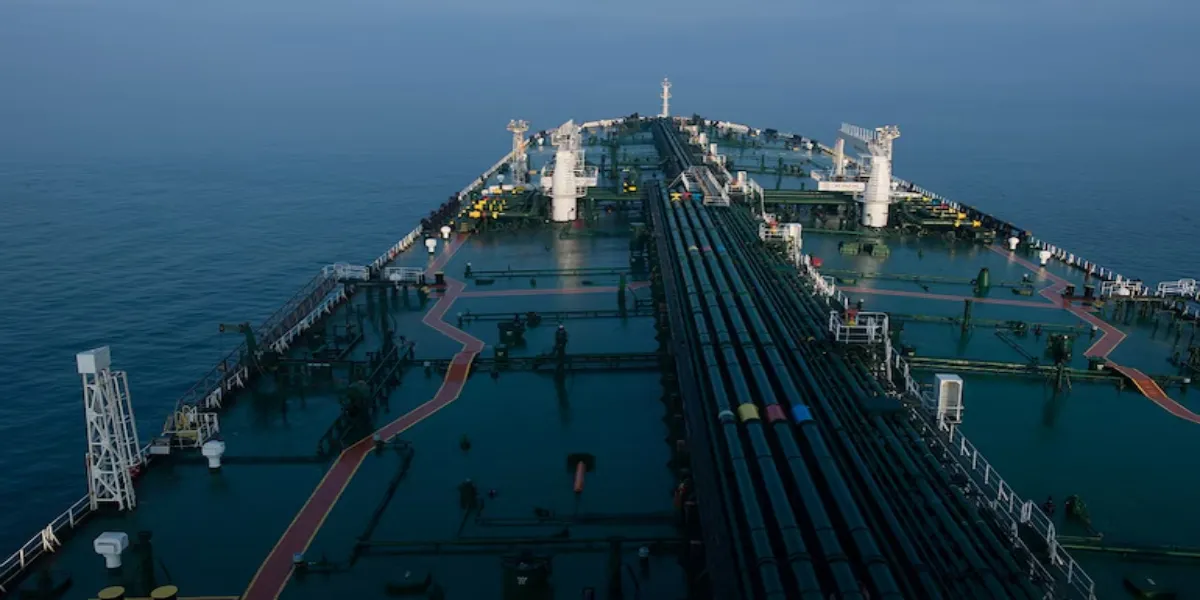
India is planning to reduce imports of liquefied petroleum gas (LPG) from the Middle East as state-owned refiners prepare to ramp up purchases from the United States, according to sources familiar with the matter. The move aligns with New Delhi’s efforts to expand energy cooperation and secure a broader trade deal with Washington.

State refiners have already notified their traditional LPG suppliers in Saudi Arabia, the United Arab Emirates, Kuwait and Qatar of the potential reduction in imports. Although the exact size of the supply cut was not disclosed, earlier reports suggested that India aims to source around 10 per cent of its cooking gas imports from the US starting in 2026.

During Prime Minister Narendra Modi’s visit to Washington in February, India pledged to raise energy imports from the US from Rs 830 billion (USD 10 billion) to nearly Rs 2,080 billion (USD 25 billion). Both countries are targeting bilateral trade worth Rs 41.6 trillion (USD 500 billion) by 2030. Indian officials are currently in Washington for ongoing trade discussions.

India’s trade surplus with the US remains a sensitive issue for Washington. President Donald Trump has imposed a 50 per cent tariff on Indian goods — including 25 percentage points specifically to penalise New Delhi for continuing purchases of Russian oil. Washington has argued that Moscow is using oil revenues to fund its war against Ukraine. Trump recently said Modi had assured him that India would cease buying Russian crude.

Indian state refiners and Middle Eastern producers, including Saudi Aramco, did not respond to Reuters’ queries on the matter. Sources said the LPG cargoes from the US will be delivered on a cost, insurance and freight basis.

LPG, a mixture of propane and butane used primarily as household cooking fuel, is largely imported by state-run retailers Indian Oil Corporation, Bharat Petroleum Corporation and Hindustan Petroleum Corporation, which supply it at subsidised rates to households.

Indian refiners are jointly seeking to procure about 2 million metric tonnes of US LPG through tenders in 2026. In 2024, the country imported around 65 per cent of its LPG requirement — equivalent to 31 million tonnes — with 90 per cent of the 20.4 million tonnes purchased under term contracts with suppliers in the UAE, Qatar, Kuwait and Saudi Arabia.

This year, India has also purchased smaller consignments of US LPG, taking advantage of favourable price differences as China — embroiled in a tariff dispute with Washington — slowed its imports. In April, reports suggested that India plans to remove import duties on select US products, including LPG, as part of a wider trade pact.

In 2024, India imported approximately 8.1 million tonnes of LPG from the UAE, 5 million tonnes from Qatar, 3.4 million tonnes from Kuwait, and 3.3 million tonnes from Saudi Arabia, along with smaller quantities from Bahrain and Oman.

India is planning to reduce imports of liquefied petroleum gas (LPG) from the Middle East as state-owned refiners prepare to ramp up purchases from the United States, according to sources familiar with the matter. The move aligns with New Delhi’s efforts to expand energy cooperation and secure a broader trade deal with Washington. State refiners have already notified their traditional LPG suppliers in Saudi Arabia, the United Arab Emirates, Kuwait and Qatar of the potential reduction in imports. Although the exact size of the supply cut was not disclosed, earlier reports suggested that India aims to source around 10 per cent of its cooking gas imports from the US starting in 2026. During Prime Minister Narendra Modi’s visit to Washington in February, India pledged to raise energy imports from the US from Rs 830 billion (USD 10 billion) to nearly Rs 2,080 billion (USD 25 billion). Both countries are targeting bilateral trade worth Rs 41.6 trillion (USD 500 billion) by 2030. Indian officials are currently in Washington for ongoing trade discussions. India’s trade surplus with the US remains a sensitive issue for Washington. President Donald Trump has imposed a 50 per cent tariff on Indian goods — including 25 percentage points specifically to penalise New Delhi for continuing purchases of Russian oil. Washington has argued that Moscow is using oil revenues to fund its war against Ukraine. Trump recently said Modi had assured him that India would cease buying Russian crude. Indian state refiners and Middle Eastern producers, including Saudi Aramco, did not respond to Reuters’ queries on the matter. Sources said the LPG cargoes from the US will be delivered on a cost, insurance and freight basis. LPG, a mixture of propane and butane used primarily as household cooking fuel, is largely imported by state-run retailers Indian Oil Corporation, Bharat Petroleum Corporation and Hindustan Petroleum Corporation, which supply it at subsidised rates to households. Indian refiners are jointly seeking to procure about 2 million metric tonnes of US LPG through tenders in 2026. In 2024, the country imported around 65 per cent of its LPG requirement — equivalent to 31 million tonnes — with 90 per cent of the 20.4 million tonnes purchased under term contracts with suppliers in the UAE, Qatar, Kuwait and Saudi Arabia. This year, India has also purchased smaller consignments of US LPG, taking advantage of favourable price differences as China — embroiled in a tariff dispute with Washington — slowed its imports. In April, reports suggested that India plans to remove import duties on select US products, including LPG, as part of a wider trade pact. In 2024, India imported approximately 8.1 million tonnes of LPG from the UAE, 5 million tonnes from Qatar, 3.4 million tonnes from Kuwait, and 3.3 million tonnes from Saudi Arabia, along with smaller quantities from Bahrain and Oman.

Next Story
Equipment

Schwing Stetter India Unveils New Innovations at Excon 2025

Schwing Stetter India unveiled more than 20 new machines at Excon 2025, marking one of its most significant showcases and introducing several India-first technologies to the construction equipment sector. The company launched the country’s first 56-metre boom pump designed and manufactured in India, the first fully electric truck mixer, the first CNG mixer variant and the first hybrid boom pump. Executives said the launch portfolio was engineered to support India’s move toward faster, greener and more vertically oriented infrastructure through advanced engineering, clean-energy solutions a..

Next Story
Infrastructure Energy

SEPC Resolves Hindustan Copper Dispute, Wins Rs 725 Mn Order

Engineering, procurement and construction firm SEPC Ltd has recently settled a dispute with Hindustan Copper Ltd (HCL) and secured a mining infrastructure order valued at Rs 725 million from the state-owned company. SEPC informed the stock exchanges that it has executed a settlement deed with HCL, bringing closure to all inter-se claims and counterclaims arising from arbitration proceedings. As part of the settlement, SEPC will receive Rs 304.5 million as full and final payment, marking the resolution of all pending disputes between the two entities. The company also stated that Hindustan Co..

Next Story
Infrastructure Energy

20% Ethanol Blending Cuts India’s CO2 Emissions by 73.6 Mn Tonnes

Union Road Transport and Highways Minister Nitin Gadkari recently said that India has reduced carbon dioxide emissions by 73.6 million metric tonnes due to the adoption of 20 per cent ethanol blending in petrol. He made the statement while replying to supplementary questions during the Question Hour in the Lok Sabha. Describing ethanol as a green fuel, the minister said it plays a key role in reducing pollution while also supporting higher incomes for farmers. He underlined that ethanol blending contributes both to environmental sustainability and rural economic growth. Nitin Gadkari also po..

Advertisement

Subscribe to Our Newsletter

Get daily newsletters around different themes from Construction world.

STAY CONNECTED

Advertisement

Advertisement

Advertisement

Advertisement

Open In App